PM maintains T&T had no role in Maduro capture despite praise from US senator
 02 August 2026

Lead Editor-Politics
akash.sama[email protected]
Despite being publicly thanked by a senior United States senator for Trinidad and Tobago’s assistance in the capture of former Venezuelan president Nicolás Maduro, Prime Minister Kamla Persad-Bissessar is maintaining that this country’s military played no role in the operation that led to his arrest.
Responding to questions from Guardian Media on Friday, Persad-Bissessar rejected any suggestion that Trinidad and Tobago’s military participated in the January 3 operation in Caracas that culminated in Maduro’s arrest and extradition to the United States.
“Trinidad and Tobago military personnel were not involved in the operation that occurred in Caracas on January 3rd 2026 to arrest Nicholas Maduro,” the Prime Minister said.
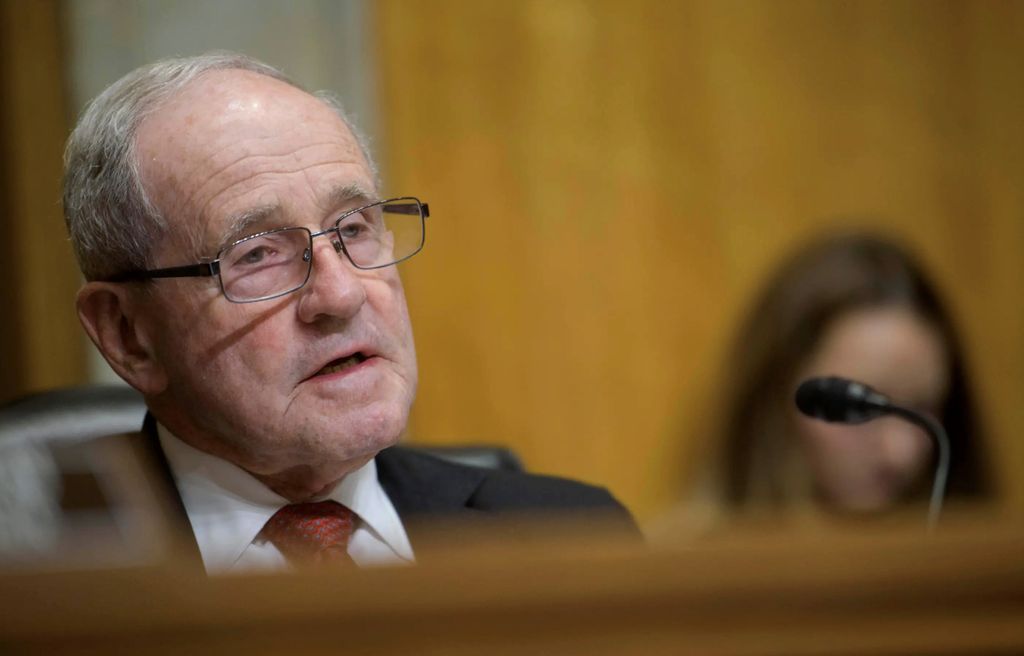
Pressed about remarks made by US Senate Foreign Relations Committee Chairman Senator Jim Risch, who credited T&T with playing an “active role” in Maduro’s arrest, Persad-Bissessar declined to speculate on what the senator meant.
“You would have to clarify Senator Risch’s comments with him. I cannot speak to what he meant by ‘active role,’” she said.
The Prime Minister also sought to reassure that diplomatic relations with Venezuela remain intact.
“Trinidad and Tobago continues to have good relations with Venezuela,” she added.
Persad-Bissessar was responding after Guardian Media asked her to address what appeared to be a contradiction between Risch’s remarks during Thursday’s Senate Foreign Relations Committee hearing for US ambassador-designate to Trinidad and Tobago Jennifer Johnson-Carroll and her own statement issued on the day Maduro was captured.
Guardian Media also asked whether T&T had played any role in the operation, whether she was maintaining her January position that the country had no involvement in the military action, and whether Risch’s comments could strain relations with Venezuela.
During Thursday’s confirmation hearing, Risch praised this country while outlining the importance of the bilateral relationship.
“Trinidad and Tobago is a fellow democracy and a key US economic, diplomatic, and security partner in the Caribbean,” Risch said.
“And most recently, Trinidad has played an active role in support of US law enforcement efforts in the region, including the arrest and extradition of Nicolas Maduro in Venezuela. We are very grateful for this work.”
The committee’s ranking Democrat, Senator Jeanne Shaheen, also highlighted T&T’s strategic importance, though she did not specifically reference Maduro’s arrest.
“As the Chairman said, Trinidad and Tobago’s proximity to Venezuela places it on the front lines of regional instability,” Shaheen said, citing migration pressures, trafficking networks and broader security challenges while expressing hope that the bilateral partnership would continue to deepen.
The Prime Minister’s latest comments are consistent with the position she adopted on January 3, when the United States launched a military operation inside Venezuela that resulted in Maduro’s capture and subsequent extradition to face criminal charges in the US. The operation triggered widespread international debate over sovereignty and regional security.
She issued a statement saying T&T was “NOT a participant in any of these ongoing military operations” and stressed that the country continued to maintain peaceful relations with the people of Venezuela.
Her Government’s position came amid heightened regional tensions after Venezuelan officials accused T&T of aligning itself with the United States, allegations which the Government denied.
Questions over this country’s role also come against the backdrop of the controversial installation of a US-supplied military-grade radar system at the ANR Robinson International Airport in Tobago in November 2025, as Washington intensified its military presence in the southern Caribbean and pressure on the Maduro administration.
The timing of the radar’s eventual departure also attracted attention. Maduro was captured by US forces in Caracas on January 3, and just over two months later, on March 16, Guardian Media confirmed that the radar had been dismantled at Crown Point.
Preceding Maduro’s capture, there was also increased US military activity in the country, including visits by US warships, joint military exercises, and permission for US military aircraft to use local airports. Government denied these facilitated actions against Maduro, insisting they supported national security.
Related News
New US tariffs linked to claims of foreign forced labour dismay and anger trading partners
TTPS probes bomb threats at eight locations
Morvant residents fear gang war; call for youth intervention