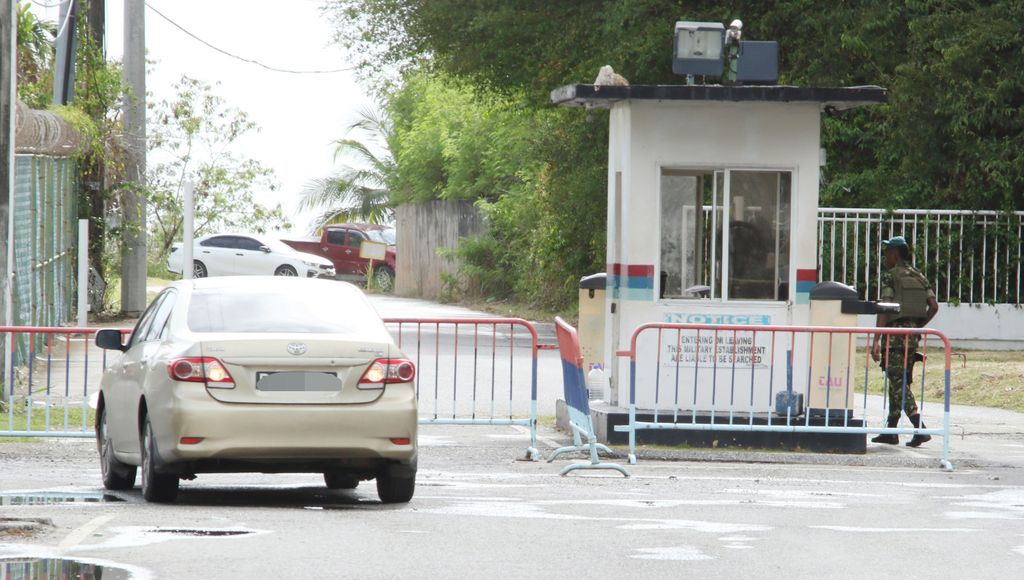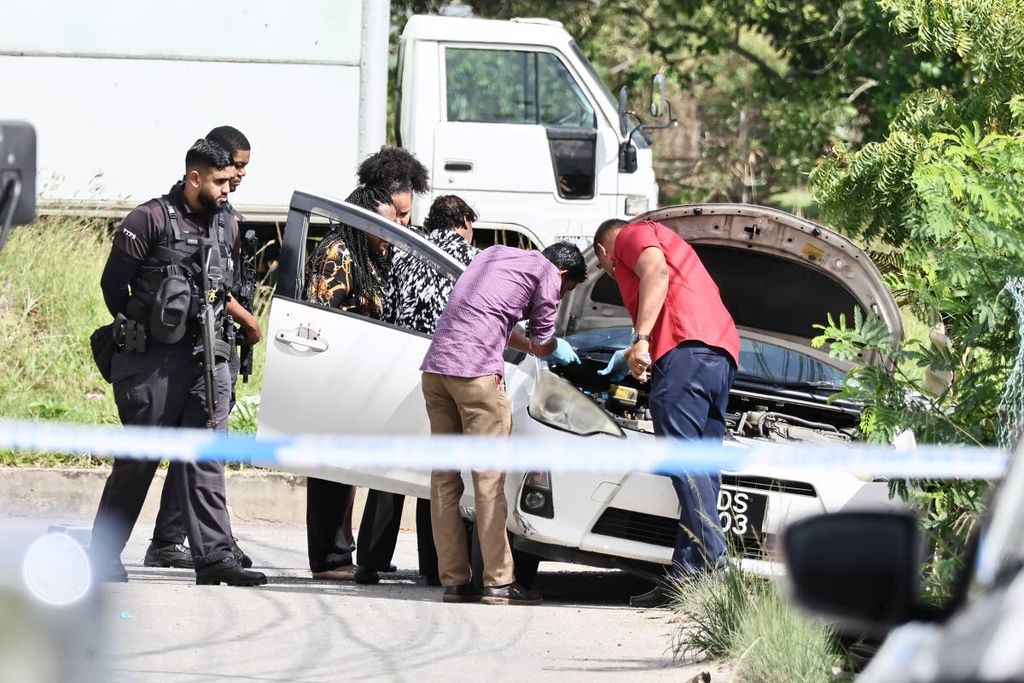

As Carnival 2026 enters its final stretch, police and national security agencies have rolled out expanded safety measures for events across the country, with Prime Minister Kamla Persad-Bissessar confirming heightened enforcement, wider deployments and stricter controls for the season’s major celebrations.
Persad-Bissessar confirmed that the Trinidad and Tobago Police Service has activated Operation Secure De VIBES to promote public safety, order and responsible enjoyment during the Carnival period.
She said the operation includes high-visibility policing, mandatory registration of large bands and orchestras, prohibitions on weapons, fireworks and glass bottles, enforcement of noise regulations, and action against lewd behaviour and the impersonation of police officers.
In a media release yesterday, Persad-Bissessar said authorities are also focusing on child safety, responsible alcohol consumption, licensed transport for masqueraders and sober driving, including safe breath checks. The measures apply to major events, parade routes and community celebrations across the country.
She added that the TTPS and other national security agencies will deploy officers nationwide, with a visible presence at major events, community festivities, public beaches, rivers, residential communities and other recreational spaces throughout the long weekend. State agencies responsible for beaches and rivers have been instructed to increase lifeguard and safety personnel in anticipation of large gatherings.
Persad-Bissessar urged citizens and visitors to comply with police directions, saying public safety is a shared responsibility.
At the Queen’s Park Savannah, the National Carnival Commission (NCC) has also introduced additional measures for the Parade of the Bands.
NCC security manager Clyde Charles said security at the Grand Stand main stage will be tightened to prevent access by non-masqueraders. He referred to an incident on Carnival Tuesday last year, in which a masked man gained access to the stage and, according to reports on social media, made physical contact with female masqueraders before security intervened.
Charles said the NCC reviewed the matter under its ROPE protocol, which stands for Reflect, Organising, Preparation and Execution, and strengthened measures to prevent a recurrence. He confirmed that SWAT officers will be stationed within the designated security zone, with support from the TTPS.
The Savannah has been divided into four security zones, A, B, C and D, to improve coverage and crowd management. An air support unit will provide real-time updates to ground personnel and coordinate information between police and fire services in the event of an incident.