PAHO launches roadmap to improve high blood pressure control and save lives
 15 December 2025
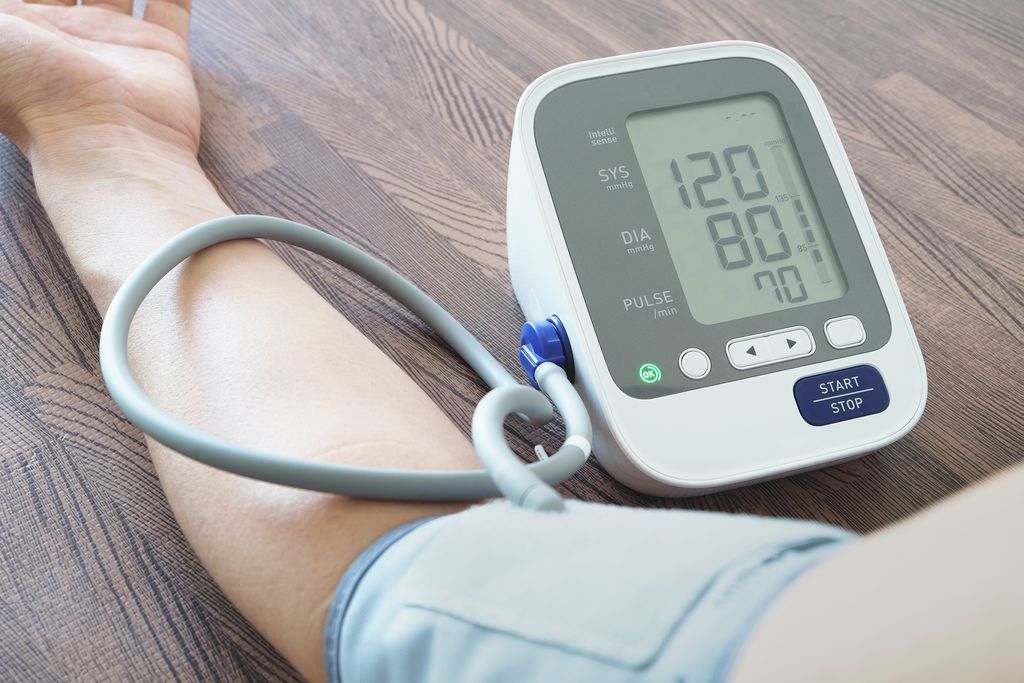

The Pan American Health Organization (PAHO) said Monday it has launched the new HEARTS Quality Framework, which it says countries can use immediately to enhance hypertension and cardiovascular risk management, prevent heart attacks and strokes, and deliver better care through primary health care closer to people’s homes.
PAHO said that the HEARTS approach is already transforming hypertension and cardiovascular risk care. It said communities in Colombia, Mexico, Trinidad and Tobago, and others have similarly increased control rates after adopting HEARTS standards.
In the Dominican Republic, HEARTS is a government priority, providing free treatment to millions. El Salvador expanded HEARTS across its primary health care network, achieving control rates of nearly 70 per cent and Mexico has also initiated large-scale implementation nationwide.
“These results show that hypertension control and cardiovascular risk management at scale is possible,” said Dr. Esteban Londoño, lead author and PAHO international consultant in noncommunicable diseases.
“Primary health care equipped with standardized clinical pathways, reliable medicines, team-based care, and quality-improvement tools can generate life-saving impact for millions.”
In launching the framework published in The Lancet Regional Health – Americas, PAHO said in the Americas, including the Caribbean, heart disease and strokes claim more than 2.2 million lives each year, and many of the victims are people in their most productive years.
It said that high blood pressure, known as the “silent killer, is the leading risk factor, affecting nearly four in ten adults across the region. Despite the availability of affordable and effective treatments, only one in three people with hypertension currently has it under control.
“Hypertension remains the world’s deadliest but also one of the most manageable health threats,” said Dr. Jarbas Barbosa, PAHO Director.
“This Framework is not just another policy document—it’s the playbook already saving lives in thousands of neighbourhood clinics. If countries adopt and scale it up, we can prevent millions of heart attacks and strokes over the next decade.”
The new HEARTS Quality Framework translates real-world experiences into a tested blueprint for overcoming barriers that keep millions from getting the care they need. These include inaccurate blood pressure measurements due to outdated equipment, limited availability of essential medicines, inconsistent treatment across providers, and unnecessary monthly visits to renew prescriptions.
PAHO said HEARTS in the Americas is the world’s largest adaptation of the World Health Organization’s (WHO) global HEARTS initiative and is now active in 33 countries, reaching nearly 10,000 primary health care facilities and putting more than six million people on treatment.
It said where the programme is fully implemented, six in 10 patients achieve blood pressure control, almost double the regional average.
“The framework turns these proven successes into a structured model that any country can adopt and tailor to its needs. It lays out concrete strategies, such as mandating the use of reliable, automatic blood pressure monitors, ensuring a steady supply of quality medicines at affordable prices through bulk regional purchasing, enabling multi-month prescriptions, and empowering trained nurses to adjust medication doses. It also proposes simple monthly monitoring tools so clinics can track performance and make rapid improvements.”
PAHO said combined, these strategies support the “80-80-80 target” for blood pressure control: 80 per cent of people with hypertension diagnosed, 80 per cent of those diagnosed treated, and 80 percent of those treated getting blood pressure under control.
“Reaching this goal could prevent more than 400,000 deaths and 2.4 million hospitalisations by 2030 in the Americas,” explained Dr Pedro Orduñez, the corresponding author and PAHO Senior Advisor for Cardiovascular Disease.
“We urge ministries of health, policymakers, and health-care providers to adopt the HEARTS Quality Framework,” said Dr Anselm Hennis, Director of the Department of Noncommunicable Diseases and Mental Health at PAHO.
“By committing to this model, we can deliver better care for NCDs, save millions of lives and strengthen primary health care across the Americas.” —WASHINGTON, D.C. (CMC)
Related News

Man shot during attempted robbery in Diego Martin

Farley upset ‘outsiders’ making decisions for island

PNM leader urges caution as reports of ‘gifts’ circulate before THA elections