
Jesse Ramdeo
Senior Reporter
A side-by-side comparison of a basic basket of groceries shows that while prices have shifted over the past year, the overall increase remains marginal.
A Guardian Media analysis comparing identical items in April 2025 and April 2026 found that the total cost of the basket moved from $358.47 to $362.47, an increase of just $4, or roughly one per cent. The comparison, conducted using the same brands and quantities, highlights a mixed picture at the checkout.
Last October, the UNC government, in its first budget, announced the removal of Value Added Tax (VAT) from several food items to reduce the cost of living. Among the zero-rated items were local produce, table salt, cocoa products, and various condiments.
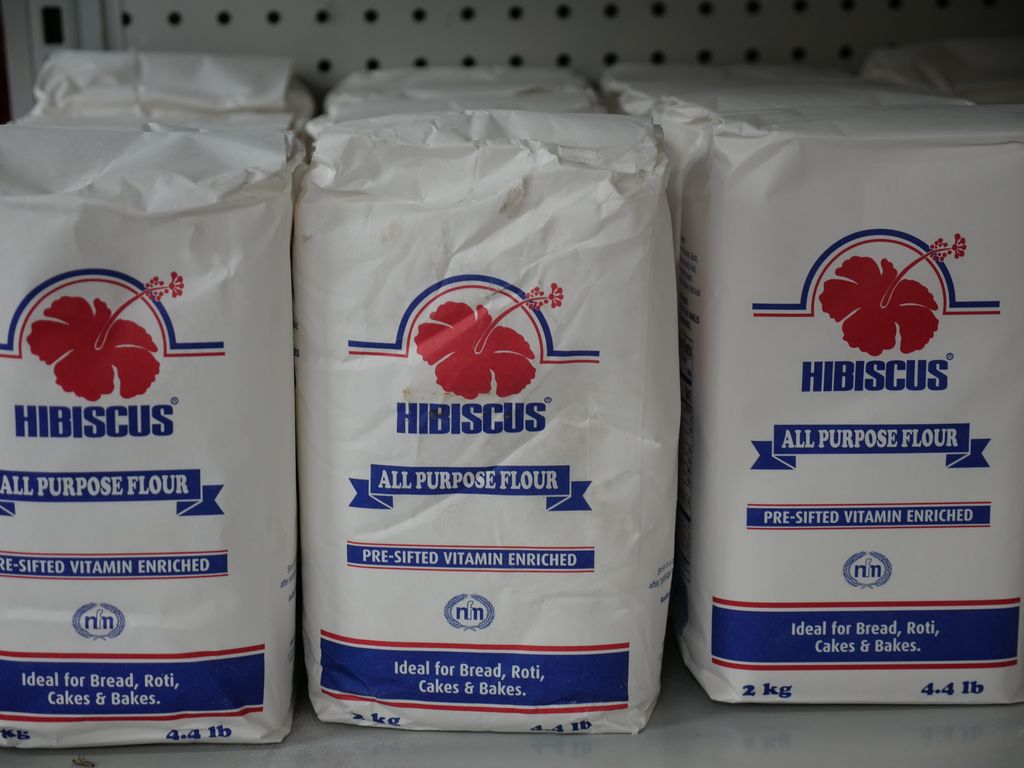
Some items recorded noticeable increases. The price of flour climbed from $12.99 to $15.99, while cheese rose by five dollars. But these increases were offset by declines in other areas, with cooking oil dropping from $21.99 to $18.99 and salt falling by $1.
Meanwhile, several staple items remained unchanged, including rice, bread, eggs, milk, sugar and chicken.
President of the Supermarket Association of Trinidad and Tobago (SATT), Biondi Bachew, says the overall movement is consistent with broader economic trends.
“As shown in the basket of goods, the increase in overall cost represents about a one per cent rise, which is in line with national inflation data,” he said.
During an interview with Guardian Media, Bachew stressed that the changes are not across the board, noting that individual products are driving the shifts.
“It isn’t a blanket rise. It’s being led by specific products within the grouping that have their own supply chains and input cost pressures,” he explained.
He also pointed to a noticeable shift in consumer behaviour, with shoppers becoming more price-conscious.
“We have seen a reduction in brand loyalty over the last decade, with more options now available locally and from abroad. Consumers are switching based on price sensitivity, recognising that many of these products offer similar quality to what they traditionally purchased,” Bachew added.
Despite some fluctuations, the findings suggest that while grocery prices have not spiked dramatically over the past year, meaningful relief at the checkout remains limited.
For many consumers, the cost of living, particularly food prices, continues to be a key concern one year after the change in government.
Earlier this month, Agriculture and Fisheries Minister Ravi Ratiram raised serious concerns about the state of the sector, warning that billions of dollars have been draining from Trinidad and Tobago’s economy following years of decline in agriculture.
He noted that the government was moving to reverse that trend by boosting local production and cutting back on imports.
Responding to questions from Guardian Media about food security, Minister Ratiram noted that efforts are underway to address food prices by strengthening domestic production and supporting farmers.
“The Ministry has intensified direct engagement with farmers nationwide. Through community visits, consultations, and stakeholder meetings, there’ve been collaborative and responsive approaches, ensuring that farmers’ concerns are addressed promptly and effectively.”
He outlined a series of measures aimed at stabilising prices, including expanded farmer engagement, increased access to agricultural inputs, and new crop production initiatives.
“In 2026, approximately 35 agricultural training programmes will be rolled out, benefiting an estimated 20,000 participants. These programmes are designed to equip farmers, youth, and agri-entrepreneurs with modern techniques and technologies to improve productivity, resilience, and sustainability. The Ministry has also expanded support through the distribution of critical agricultural inputs, including certified seeds and planting materials.”
Ratiram said these initiatives are part of a broader strategy to reduce reliance on imports and increase the availability of affordable, locally produced food.
He also pointed to recent intervention in the rice industry, where action was taken to reverse proposed price reductions to ensure farmers remain viable and production is sustained.
The minister maintained that boosting local agriculture is key to long-term price stability.
“The Ministry is advancing long-term development through strategic partnerships, innovation, and investments in agro-processing and value chains. These efforts aim to modernise the agricultural sector, reduce post-harvest losses, and increase the availability of affordable, locally produced food.”