Legal Immigration From The Caribbean To The U.S. Fell 53% Under Trump Policies
 20 October 2026
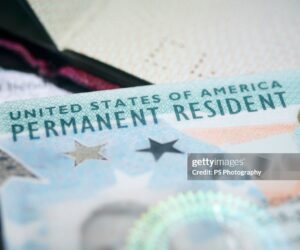


News Americas Now, NY, NY, Tue. Oct. 20, 2026: Legal immigration from the Caribbean to the United States fell 53 percent under policies the Trump administration adopted late last year and early this year, according to a New York Times analysis of State Department data published October 18 – one of the sharpest regional declines anywhere in the world outside Africa, Central Asia and the Middle East.
The drop stems from an expanded travel ban and a sweeping visa pause that took effect January 1, 2026, on top of an earlier ban the administration put in place last June. Both rounds swept several Caribbean nations. The administration placed Haiti under a full travel ban, blocking its nationals from receiving visas or entering the country outright. Antigua and Barbuda, Cuba and Dominica were placed under partial visa restrictions. A broader State Department pause – officially framed as targeting countries “at high risk of public benefits usage” – also swept in the Bahamas, Barbados, Belize, Grenada, Jamaica, Saint Kitts and Nevis, Saint Lucia, and Saint Vincent and the Grenadines.
The Times’ country-by-country breakdown shows the toll: Jamaica, Haiti, Cuba, the Bahamas, Grenada, Saint Lucia, Dominica, Antigua and Barbuda, Barbados and Saint Vincent and the Grenadines all saw immigrant visa issuance fall 80 percent or more. Guyana, which was not named on either restriction list, still saw a decline of 50 percent or more, part of a broader slowdown the Times found even in countries facing no explicit ban.
Not every Caribbean nation lost ground. The Dominican Republic and Trinidad and Tobago were both among a small group of just 10 countries worldwide – alongside Mexico, Canada, India, and Honduras – where immigrant visa issuance actually increased over the period, the Times found. The newspaper’s data did not explain why those two countries moved against the regional trend.
Nationally, the State Department issued just 26,000 immigrant visas in February – the status that grants a green card and legal permanent residency – compared with a monthly average of 52,000 in the years before Mr. Trump took office. The policies made it all but impossible to immigrate from 91 countries and cut visa availability in 61 more; immigration from Muslim-majority countries plunged by more than 90 percent. Student, work, tourist, and business visas also fell, down roughly 30 percent and 25 percent, respectively.
Federal courts have since ordered the government to resume issuing visas in two separate lawsuits, but the Times reported that most people whose visas were blocked are still waiting months later. Among them: Wilian Nelson Hernandez Morales, stranded in Guatemala since January and separated from his wife and four children in New Jersey despite being told his marriage-based green card application would have been approved if not for the freeze.
The administration has said the policies are meant to improve security screening of visa applicants and guard against future use of public benefits. Immigration experts cited by the Times describe the combined effect of the visa cuts, a narrowed refugee program, restricted asylum access at ports of entry and the administration’s mass deportation campaign as amounting to a broad curtailment of immigration of nearly every kind – achieved through executive action rather than congressional legislation.
Related News

Trust The Polls Or Test The Facts? Why Election Polls Help, But Never Decide Elections

CCJ Crisis Deepens: Another Judge Accuses The President Of Abusing Authority

When Deportation Hits Home: The Economic Ripple Effect On Black Caribbean Immigrant Famili...