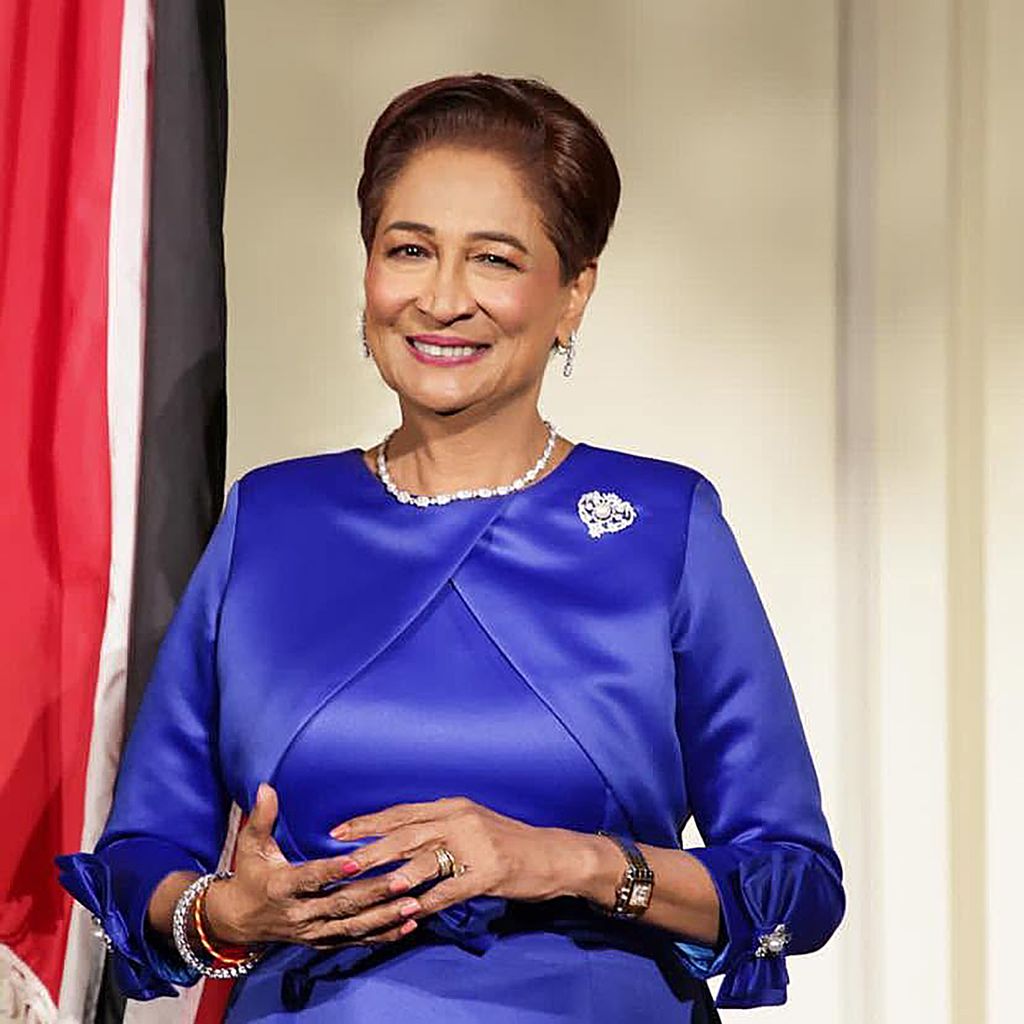

Prime Minister Kamla Persad-Bissessar is calling on citizens to put the safety and future of their children ahead of personal and partisan interests, while Opposition Leader Pennelope Beckles is warning that democracy is under attack as Trinidad and Tobago marks 50 years as a republic.
In her Republic Day message issued yesterday, Persad-Bissessar called on citizens to contribute to the country’s progress and prosperity and to take responsibility for the future of the nation.
“Republican citizenship asks something of each of us,” she said.
She said citizens could not expect integrity in public life while tolerating corruption in their own dealings, or demand safer streets while protecting those who bring violence into their neighbourhoods.
“On this fiftieth Republic Day, I ask you to stand for your country and for the future your children deserve. Place their safety, their opportunities and their hopes above personal and partisan advantage,” Persad-Bissessar said.
Trinidad and Tobago became a Republic on August 1, 1976, while September 24 marks the date the country’s first Parliament met under the Republican Constitution.
Persad-Bissessar said the country’s future was in the hands of its citizens and pledged to continue working for the safety and advancement of every citizen.
Beckles, however, used her Republic Day message to raise concerns about the Government’s handling of crime, legislation and executive power.
“A Republic is not merely a country without a King or Queen. It is a nation governed by constitutional restraint, democratic institutions, fundamental rights and respect for the dignity of every citizen,” she said.
Beckles said “democracy is under attack”, arguing that the Government was seeking to normalise what she described as excessive executive power.
She criticised the prolonged use of States of Emergency, pointing to thousands of arrests and people who remain uncharged following the latest period of emergency rule.
“The question is not whether crime must be confronted. It must. The question is whether emergency powers can become a substitute for a comprehensive crime strategy, effective investigations, prosecutions and convictions,” Beckles said.
She also criticised the Special Operations Bill, 2026, saying its passage following the State of Emergency required “the closest constitutional scrutiny”.
Beckles raised similar concerns about proposed amendments to public procurement legislation, particularly changes involving exemptions from ordinary procurement rules and oversight of public spending.
“Public office is not private property,” she said, adding that the Police Service, Parliament and Constitution do not belong to the Prime Minister but to the Republic and ultimately the people.
Beckles called on citizens to reject attempts to “normalise excessive executive power, weaken independent oversight or intimidate citizens into silence”.
She said Trinidad and Tobago, after 50 years as a republic, “can and ought to be in a better space”, calling for greater opportunities for young people and development spaces for communities.