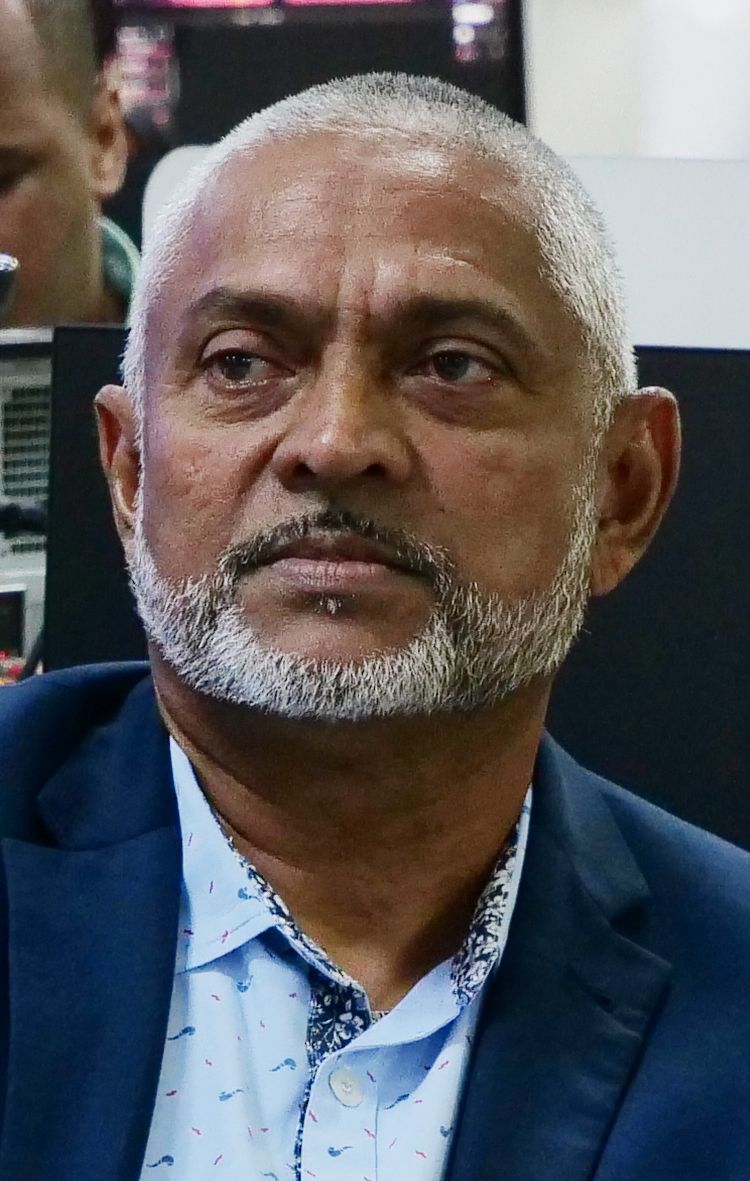

Regional security expert Dr Garvin Heerah is urging authorities to consider introducing curfews following the extension of the State of Emergency (SoE), arguing that stronger measures are needed to regain control of communities and send a clear message to criminal elements.
Speaking on CNC3’s The Morning Brew yesterday, Heerah said the impact of the SoE appears to have diminished, with criminals continuing to operate despite the extraordinary powers available to law enforcement.
“If we are going to reintroduce this SoE —if we are going to debate the effectiveness of having one—let us consider, this time, measures such as curfews,” Heerah said.
“Let’s try to control the situation a little more. Let’s try to keep people off the streets at certain times and restore law and order, particularly in key areas.”
He said authorities should use the SoE to establish greater command and control in crime-affected communities.
“The criminal is of the opinion that they can move as they wish. We have to send a clear message,” Heerah said.
While supporting enhanced powers for law enforcement, he stressed that the SoE should not be treated as a standalone crime-fighting tool. Instead, he said it should form part of a broader strategy with clearly defined goals and measurable outcomes.
“The SoE is not a crime-fighting tool,” he said.
“We have to introduce strategy, establish timelines and work towards achieving objectives that citizens can measure.”
He warned that without a strategic approach, the country risks repeatedly extending emergency powers without addressing the root causes of crime.
Heerah also argued that authorities must expand their focus beyond street-level offenders and target those operating at the highest levels of criminal networks.
Corruption, white-collar crime and transnational organised crime, he said, remain major threats to national security and should be priority areas during any extended SoE.
“We can’t focus only at one level, removing certain individuals from the streets. We need to see high-level investigations and arrests as well. That is necessary to restore and stabilise the country,”he said.
He also raised concerns about rogue elements within law enforcement, warning that criminal organisations continue to benefit from insiders who leak information.
“We have officers aligned to crime and criminality. Across the system, there are individuals who are part of these networks,” Heerah said.
He called for stronger internal investigations and greater regional cooperation among law enforcement agencies to address the issue.
Heerah acknowledged that curfews or targeted operations in certain communities could trigger resistance. However, he said success would depend on effective communication and meaningful public engagement.
“The messaging has to be readjusted. It cannot be ‘us versus them’,” he said.
“It must involve the community, because many people are crying out for safety—for a restoration of a sense of security in their neighbourhoods.”
He also rejected suggestions that Trinidad and Tobago should tolerate criminal economies because of their perceived contribution to economic activity, insisting that the country’s future cannot depend on illicit wealth.
“We are not going to rely on the economy of the underworld to sustain our nation,” he said.
Heerah also said an extension should be used not only to suppress crime but also to pursue meaningful reforms targeting corruption, organised crime and the social factors driving young people into criminal activity.
“SoE—not bad at all. However, it must be supported by strong research and a clear framework for achieving defined objectives.”