Former Kosovo President Hashim Thaci faces verdict for alleged war crimes
 16 September 2026
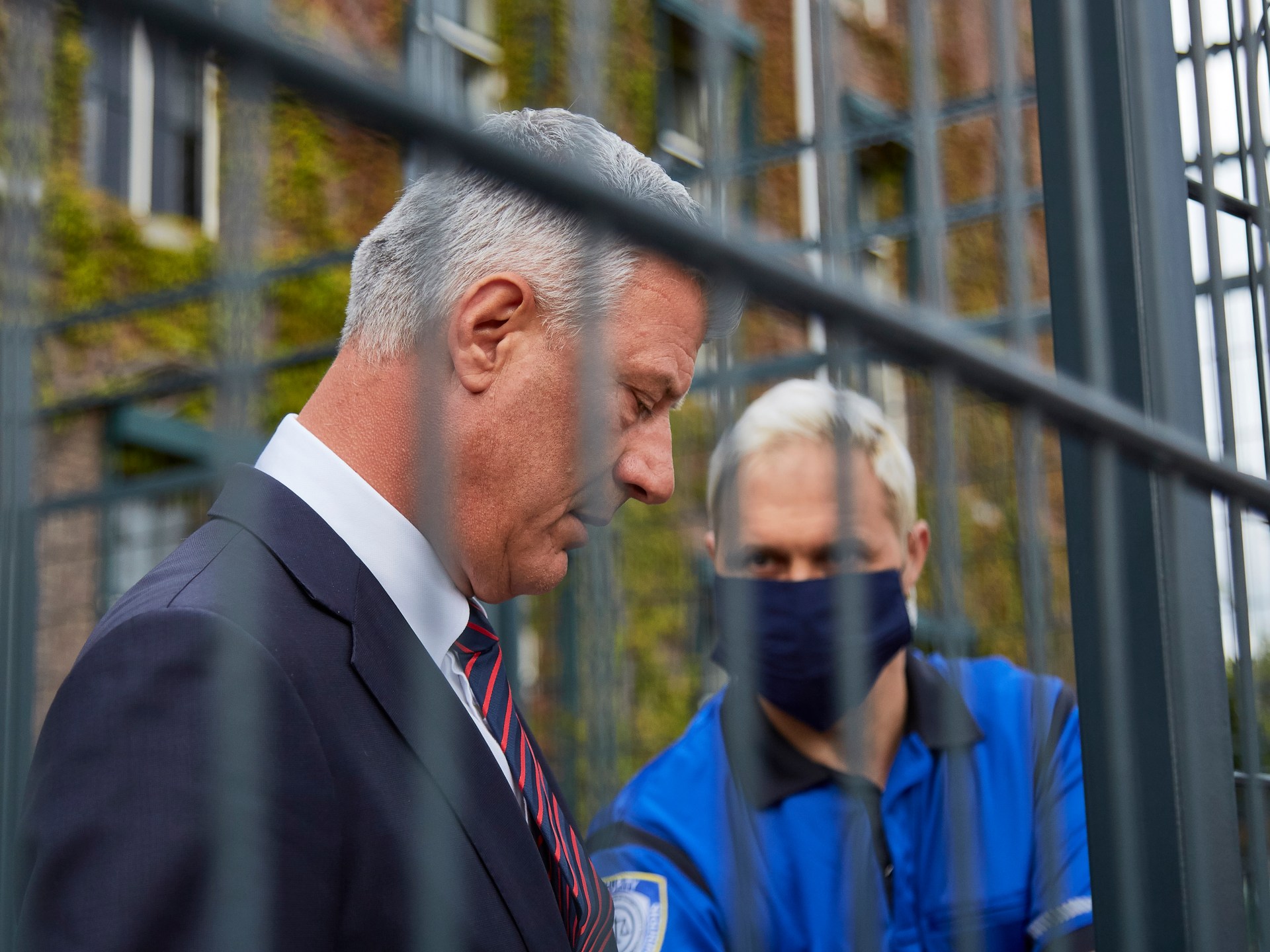

The Kosovo war crimes tribunal will on Wednesday deliver its verdicts in the case of former President Hashim Thaci and several wartime commanders accused of murder and torture during the self-declared republic’s break from Serbia.
Thaci, 58, is facing several counts of war crimes and crimes against humanity, including murder, torture and persecution, along with three former commanders from the ethnic Albanian Kosovo Liberation Army (KLA), a separatist militia that fought Serbian troops.
- list 1 of 3Thousands in Kosovo rally against war crimes trial of ex-KLA commanders
- list 2 of 3Kosovo finds remains of 23 people in mass graves search
- list 3 of 3Kosovo approves new government after months of political deadlock
end of list
Thaci and the other former high-ranking commanders, Jakup Krasniqi, Rexhep Selimi and Kadri Veseli, deny the charges.
Prosecutors have requested 45-year prison sentences for each of the men.
The case is extremely contentious within Kosovo, where Thaci remains a revered figure for many Kosovan Albanians due to his role in the 1998-99 independence war.
On Saturday, tens of thousands gathered in the capital, Pristina, to call for their acquittal in the latest of several rallies since the trial began. Portraits of the four former KLA fighters have been plastered across the city along with a huge digital clock counting down to the verdicts.
“In the name of the people, declare them innocent,” one banner read.
According to prosecutors, the men targeted political opponents and civilians perceived as collaborators and traitors during their time in the KLA.
Thaci’s lawyers argued in February there is no evidence that directly links him to any of the crimes.
“There are no orders in the record from Thaci to perpetrators of crimes. There are no reports from perpetrators of crimes to Thaci,” lawyer Luka Misetic told judges at the Kosovo tribunal in February.
Advertisement
Most of the 13,000 people who died in the war in Kosovo were ethnic Albanians. A 78-day campaign of NATO air attacks against Serbian forces ended the fighting. About one million ethnic Albanian Kosovars were driven from their homes.
In 2008, Kosovo declared its independence from Serbia, a move that Belgrade refuses to recognise. Ties between Kosovo and Serbia remain tense, despite years of negotiations mediated by the European Union.
Related News
Iran war live: Trump weighs ‘big decision’ on Iran, tanker hit in Hormuz
Iran war live: Tehran says it’s fully prepared for war amid Hormuz tensions
Bolsonaro favourite to win: What Brazil’s first round of elections tells us