
Senior Reporter
As Guyanese families await answers following the tragic loss of lives aboard the MV Barima, maritime experts are warning that Caricom’s push to reconnect the region by sea must be matched by stronger safety systems.
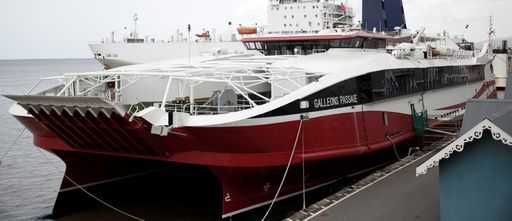
The tragedy has raised questions about whether regional maritime infrastructure, emergency response capabilities and regulatory systems are prepared to support greater movement of people and goods across the Caribbean. The concerns come as T&T prepares to support a regional ferry pilot initiative, offering one of its vessels as a temporary solution for a Caricom cargo transport project while private operators work towards establishing a dedicated service.
Maritime experts say connectivity cannot come at the expense of safety, warning that reliable passenger records, effective search-and-rescue coordination, vessel oversight and trained crews must develop alongside any regional ferry network.
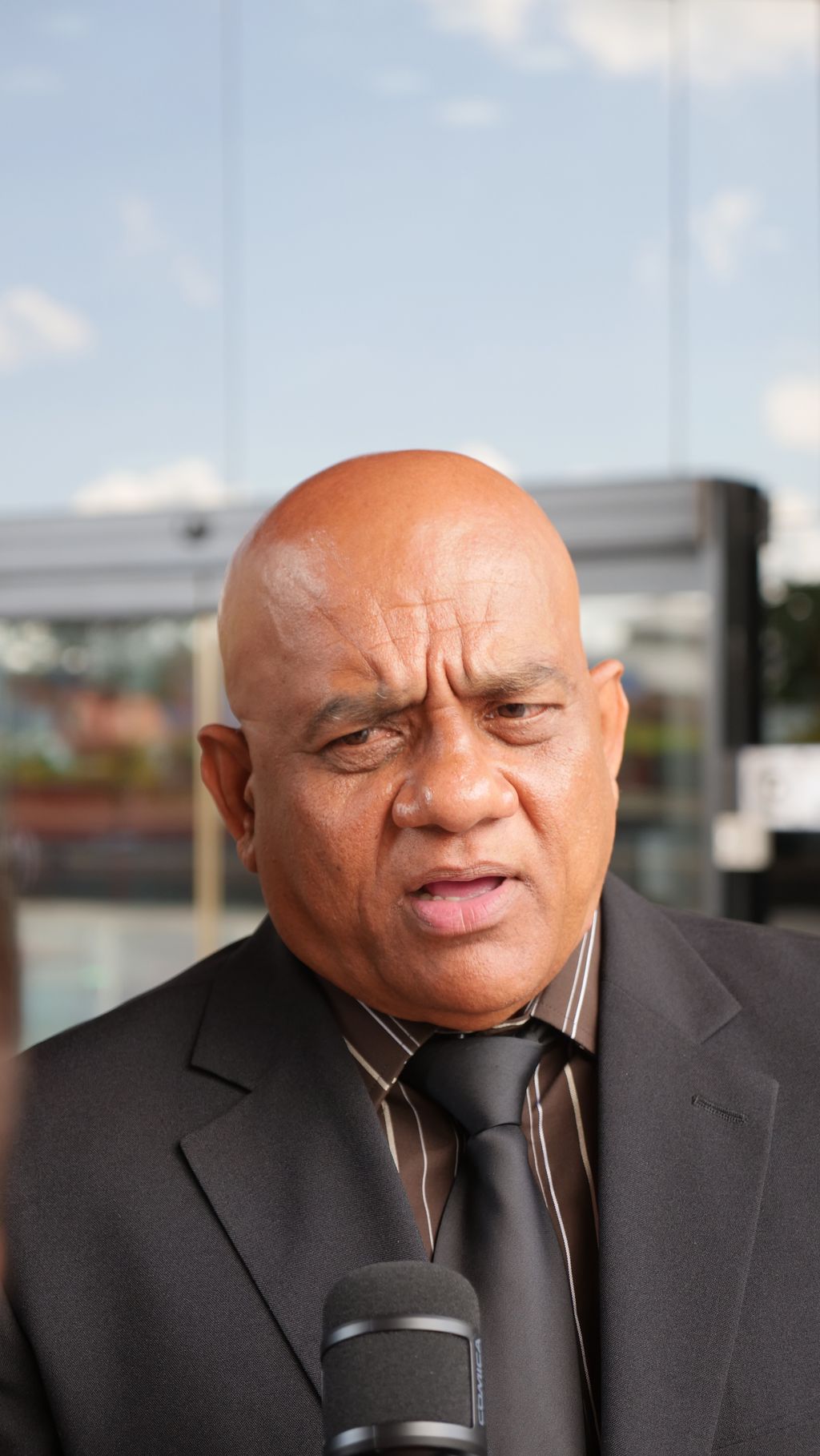
Regional security expert Dr Garvin Heerah said the MV Barima tragedy should prompt a wider examination of maritime safety systems as Caricom advances plans for greater sea connectivity.
He said the incident highlights challenges involving operational procedures, regulatory oversight and regional rescue readiness.
“The Barima disaster is not an isolated maritime accident; it is a warning shot for the entire Caribbean basin at the precise moment Caricom is accelerating plans for regional ferry connectivity,” Heerah said.
One of the key issues highlighted by Heerah is the importance of accurate passenger manifests during maritime emergencies.
He said passenger records are not simply administrative documents, but critical tools that guide search-and-rescue operations.
His wider concern is that regional maritime expansion must be supported by stronger cooperation in areas including maritime awareness, information sharing, emergency response and coordination between rescue agencies.
Speaking with Guardian Media, an offshore safety professional said T&T’s move towards greater maritime connectivity must continue to be guided by proper planning, scheduling and expert advice.
The professional, who did not want to be named, said lessons from the energy sector demonstrate the importance of compliance and quality management systems, warning that substandard equipment or inadequate experience could have serious consequences at sea.
Another maritime expert with experience aboard passenger ferries said authorities must first determine the type of service Caricom wants to establish.
He said authorities must consider routes, fuel requirements, passenger capacity, cargo loads and operational demands.
“All ferries would be insured and classed,” the expert said, explaining that classification confirms vessels meet recognised technical and safety standards. He said vessel age alone should not determine suitability.
“A vessel could be old, but it could be well maintained and kept, and if it is well maintained and kept, she could continue to work.”
The expert said passenger ferry operations require highly trained crews capable of responding during emergencies.
Related News
Angostura hands over first home under Hurricane Melissa recovery programme
Chronic illness and diarrhoea surge in quake-hit Venezuelan communities as humanitarian cr...

Gun, ammunition and cannabis seized in Valencia anti-crime exercise