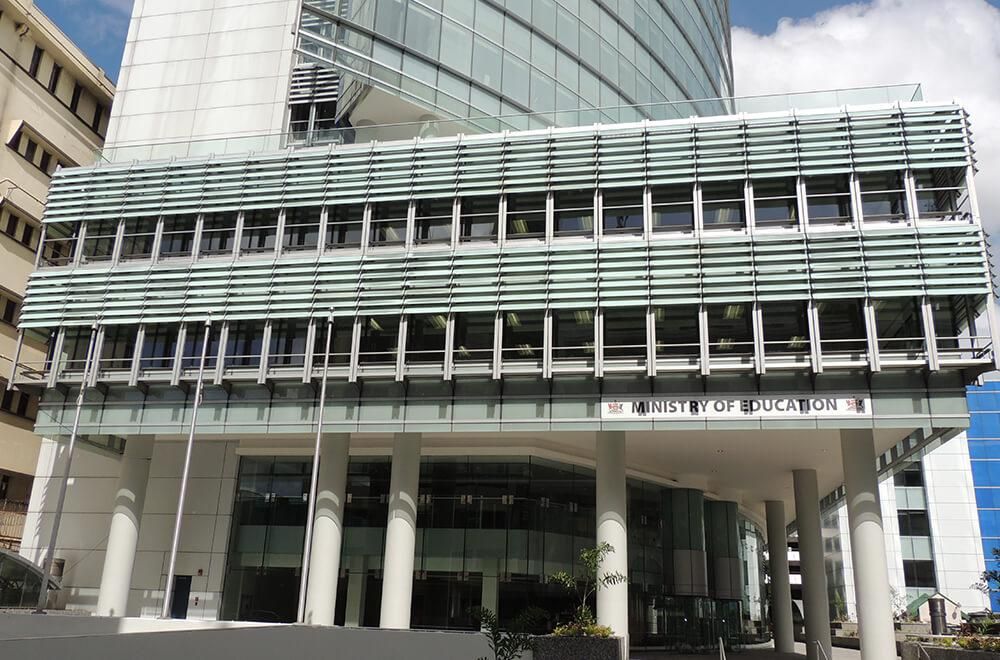

The Association of Denominational Boards of Education (ADBE) is questioning why Education Minister Dr Michael Dowlath has not met with the body to discuss pressing issues affecting schools, including staff shortages, indiscipline and support for special needs students.
In a statement yesterday, the ADBE said it had formally requested an urgent meeting with the Ministry of Education after repeated attempts over the past year to engage the minister failed to materialise.
The association, which represents 23 denominational boards and oversees 43 of the country’s 134 secondary schools and 341 of 477 primary schools, said officials had previously suggested dates for meetings but later postponed them, with no confirmed engagement to date.
“The ADBE now raises a fundamental and pressing question: Why has a meeting not been granted, despite multiple requests and prior scheduling, especially at a time when significant decisions continue to be made without consultation with a key stakeholder?” the association said.
The body argued that, as owners of the schools under their control, denominational boards remain “a major partner in the national education system” and should be consulted on policies and administrative changes affecting schools.
It warned that the lack of structured dialogue was undermining collaboration between the ministry and denominational boards.
“The absence of structured dialogue at this level undermines the collaborative approach necessary for effective educational leadership and policy implementation,” the statement added.
The ADBE also raised concerns that several recent initiatives were announced publicly without prior consultation with denominational boards.
Among the examples cited were the introduction of AI textbooks and the Government’s decision to transfer school maintenance responsibilities to the Ministry of Public Utilities.
“These developments were not discussed with or communicated to the Boards before they were publicly announced,” the association said.
The body outlined several urgent matters it wants addressed in discussions with the ministry, including staff shortages, acting appointments, indiscipline in schools, shortages of furniture, delayed grant disbursements and the role of Business Operations Assistants (BOAs).
The association also raised concerns about support systems for special needs students and what it described as poor communication between the ministry and denominational boards.
It said recent policy and administrative changes affecting schools were also creating concern among school administrators.
“To promote respectful engagement and productive dialogue, the Association believes it is important to address these matters directly in a formal meeting with the Ministry,” the ADBE said.
The association called on the ministry to “promptly confirm a specific date” for the meeting, stressing that timely consultation was critical to ensuring decisions in the education sector were “well-informed, inclusive, and in the best interest of the nation’s students.”
Despite its criticism, the ADBE said it remained committed to working with the ministry and other stakeholders to improve the education system.
“The Association is committed to collaborating with the Ministry and all stakeholders to strengthen the education system in Trinidad and Tobago,” the statement said.
Related News

Three dead, two arrested after police shootout in Cunupia
Rowley a no-show at PNM's State of the Republic event
Trump orders U.S. military to ‘shoot and kill’ Iranian small boats choking Strait of H...