Cuba loosens control of its private sector in a struggle with a mounting humanitarian crisis
 30 July 2026
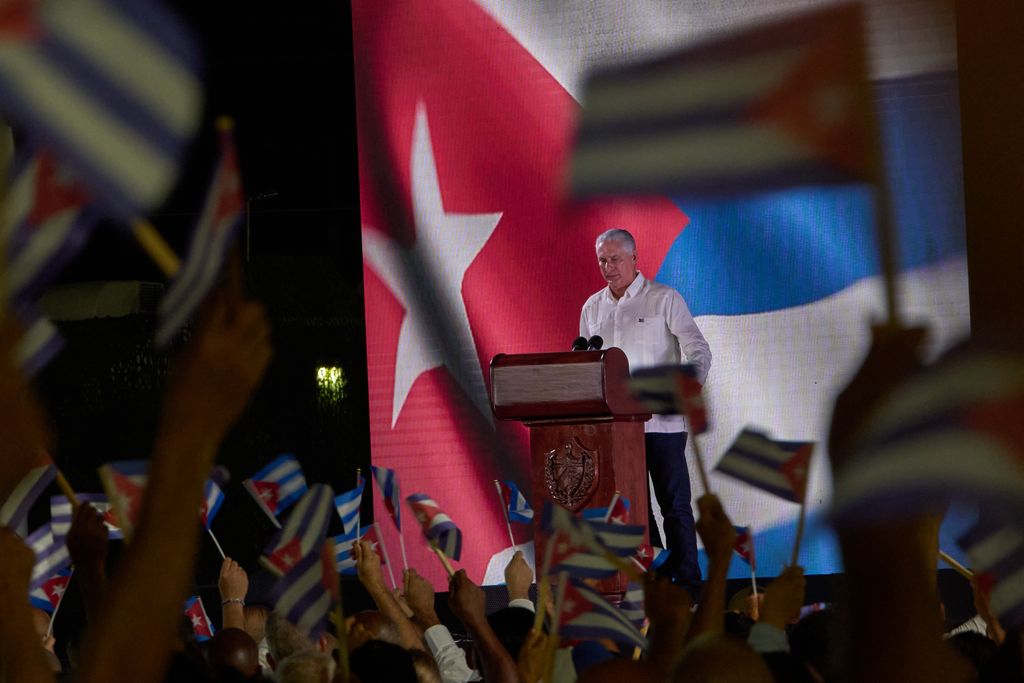

In an effort to fend off a mounting humanitarian crisis, Cuba on Wednesday eased up on longtime restrictions on private vendors and imports, opening up a sector firmly controlled by the Communist-led government.
The reforms would allow for the import and resale of some goods and medicines from other countries, loosen restrictions on oil extraction for foreign companies and implement other changes at a time when the country is plagued by medical and energy shortages.
While private enterprise has slowly opened in recent years, many sales on the country’s informal market have long existed in a grey area — not technically legal but widely used by Cubans struggling to survive the day-to-day hardships.
The measures, which were approved by the parliament last month and went into effect on Wednesday, are expected to bring about a significant shift on the island, where the economy and industry have been strictly controlled by the government since the 1960s.
The reforms come as Cuba has been pushed to the brink by an oil blockade imposed by the United States in January. The move by the Trump administration, meant to put pressure on the government, worsened already crippling blackouts, cut workers off from public transport, crippled infrastructure and deepened shortages in medicine and food.
Last month, Cuban President Miguel Díaz-Canel said the reforms were necessary because the country “simply cannot continue on its current course.”
In total, the government said it was removing 46 of the 125 prohibitions it had on private industry and relaxed 35 other regulations.
Still, many bans remain in place — tobacco production, long a staple of the Caribbean island, would remain in state hands. So would internet access, newspaper publishing and radio broadcasting.
The easing of restrictions appeared to target specific areas hardest hit by the ongoing crisis.
Medicines, largely purchased through massive groups on apps like Telegram and WhatsApp on the informal market, would now also be sold by private pharmacies. Shelves in state-owned pharmacies selling subsidized medicine are often empty.
Many welcomed the loosening of the restrictions.
An image of Fidel Castro hangs on the wall of a state-run pharmacy where a woman asks for medication in Havana, Cuba, Wednesday, July 29, 2026. (AP Photo/Ramon Espinosa)
Ramon Espinosa
Francisco Carbajal, a 71-year-old retiree who suffers from seizures, said it gives him hope things would improve.
“What I really want is that there are medications available, because I have diabetic neuropathy and carbamazepine hasn’t arrived at my pharmacy in a long time,” he said as he sat on a street in Havana, the capital. “Without it, I’m helpless, because I get epileptic seizures.”
The government also gave the green light for private care facilities for elderly Cubans — many young Cubans who would have traditionally cared for their aging relatives have migrated abroad.
The new measures would also make it easier to import electric vehicles, which are rapidly becoming a crucial alternative to get around the island where the public transport system has largely collapsed due to gasoline shortages.
Restrictions will also ease on Cuba’s decaying oil sector, making it easier for foreign investors and private businesses.
Cuba’s government had already made moves to loosen restrictions on private industry over the last few decades.
Cubans were allowed to seek self-employment and in a massive shift in 2021 — after the tourism-driven economy was roiled by the coronavirus pandemic and a migratory flight from the island began to pick up — authorities allowed the creation of small businesses.
These latest reforms “truly allow and facilitate the participation of non-state economic actors in the country’s economy,” said Lázara Mercedes López Acea, president of the National Institute of Non-State Economic Actors, who presented the new regulations. — HAVANA (AP)
_______
Story by ANDREA RODRÍGUEZ and ARIEL FERNÁNDEZ | Associated Press
Related News

Death threats and assassination plots against T&T’s leaders
Haiti sends major medical mission to Venezuela
Ministry touts steelpan’s role in shaping young people and cultural industry