
Senior Reporter
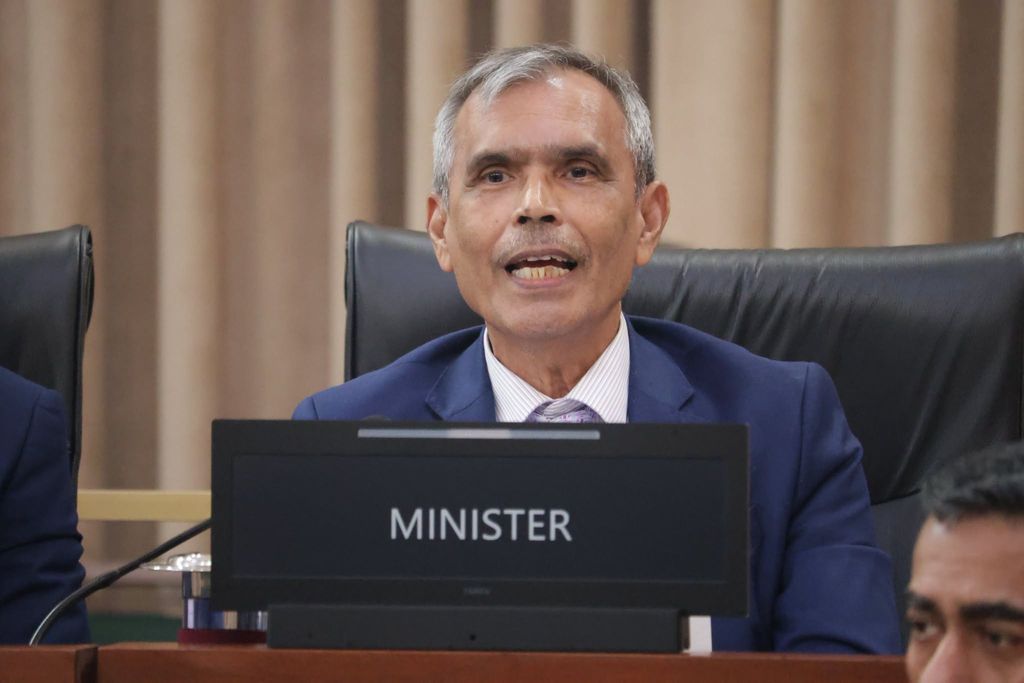
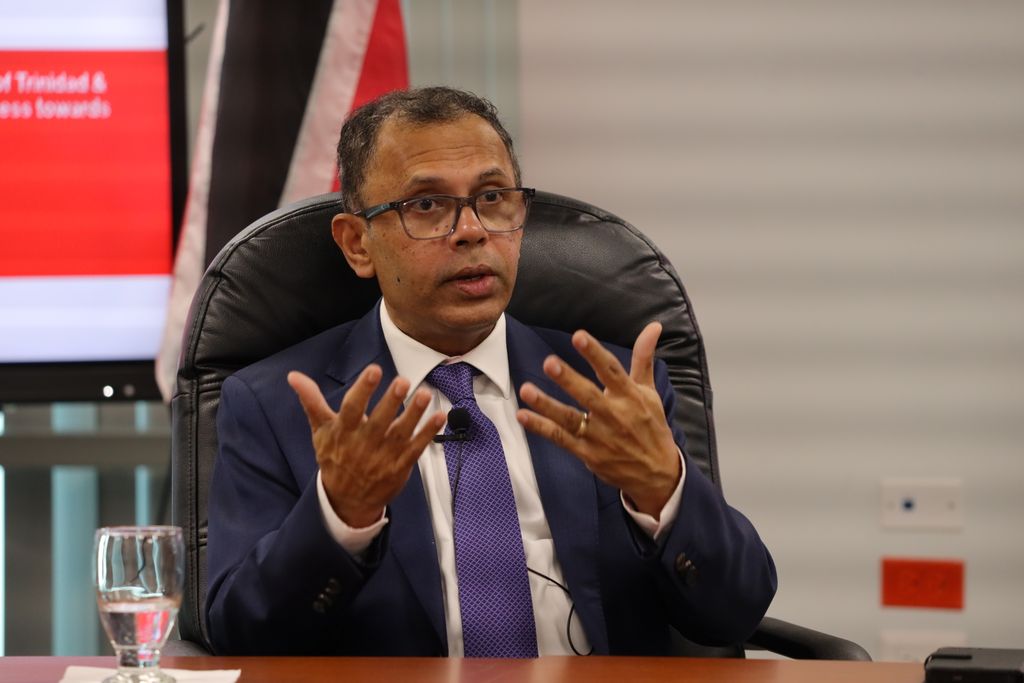
Chief Justice Ronnie Boodoosingh has expressed hope that criminal cases can eventually be determined in under three years at some point during his tenure.
Boodoosingh revealed the ambitious goal yesterday, while being interviewed by media personnel on the one- year anniversary of his appointment.
During the event at the Waterfront Judicial Centre in Port-of-Spain, Boodoosingh outlined numerous measures that have been introduced over the past year to help reduce inefficiency in the administration of justice, including in the much-maligned criminal justice system.
Boodoosingh said: “What I would like to see is shorter times for disposition of cases. Ideally, I would like to see criminal cases being dealt with in one to three years. I mean if I could dream.”
He said cases involving children and minor traffic offences should be completed in months, not years.
Boodoosingh stated that the Judiciary is also working on minimal standards for the disposition of cases and other court processes, which can be used to assess performance.
“We can’t improve our performance if we don’t have standards,” he said.
Boodoosingh said training is being offered to less experienced judicial officers, so they can become competent in delivering oral judgments at the end of less complex trials, instead of taking time to prepare written judgments.
He also revealed that he has been hosting monthly meetings with criminal justice stakeholders, including the T&T Police Service (TTPS), the Office of the Director of Public Prosecutions and members of the criminal bar, as their input is vital to ensuring efficiency and productivity.
“There are a number of things that we have to work on at the same time,” Boodoosingh said.
Boodoosingh noted that there had been some almost instant improvements based on the initiatives, but suggested that consistent work is needed to ensure progress is maintained and built upon.
“That doesn’t mean we can pat ourselves on the back and say, well, we are doing a really good job. We have to keep looking at how we can improve our delivery of justice,” he said.
“We are better off today than we were last year, December, in terms of judgments, but we’re not quite there yet,” he added.
Boodoosingh confirmed that the Judiciary is working on renovating and improving its current facilities, including in Tobago, but noted that facilities would be prioritised based on the needs of the organisation and its stakeholders as well as budgetary constraints.
Asked about his transition from being an appellate judge to Chief Justice, Boodoosingh said he has been able to cope with onerous administrative requirements through planning, organisation and the assistance of a competent team of support staff.
“It has been a whirlwind at times,” he said.
Boodoosingh noted that he still finds time to sit on appeal panels, including yesterday morning before the event.
“The thing that I’ve been comfortable with for a long time has been the justice part of this. I like being in court,” Boodoosingh said.
Boodoosingh, however, declined to reveal his personal stance over the possibility of replacing the United Kingdom-based Judicial Committee of the Privy Council (JCPC) with the Caribbean Court of Justice (CCJ) as this country’s highest appellate court.
“I think it is best left to those who are part of the constitutional construct. My personal view is irrelevant to the discussion,” Boodoosingh said.
However, he revealed that he had discussions with members of the UK Supreme Court, who also sit on the Privy Council, when he attended the Opening of the Legal Year of England and Wales earlier this month.
“They are happy to continue dealing with our cases. They find our cases to be very interesting,” Boodoosingh said.
He noted they held discussions over the increased use of virtual hearings to save costs on such appeals.
He also revealed that the Law Lords confirmed that this country is only second to England in terms of the number of appeals placed before the court. He noted that T&T was ahead of Scotland, Wales, Northern Ireland and other Commonwealth nations that still use the JCPC as their final appellate court.
Related News
Prison officers intercept contraband packages
Special Operations training to involve local, foreign facilitators

Kenya confirms third Ebola case, a relative of the first patient who died