
Andrea Perez-Sobers
Senior Reporter
andrea.perez-sobers
@guardian.co.tt
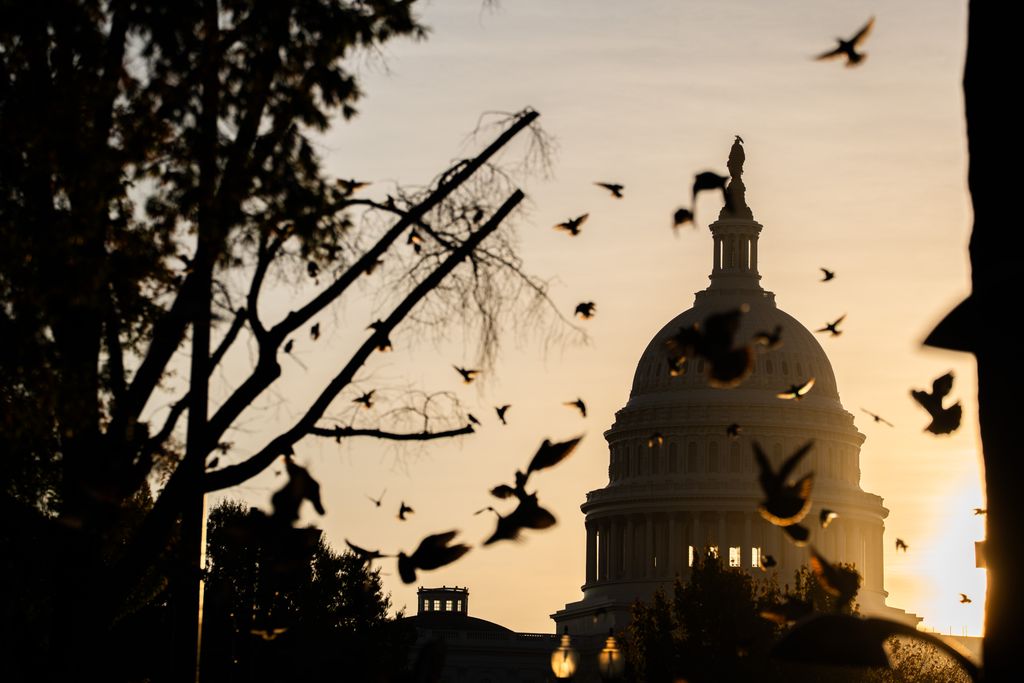
The Democrats’ historic victory in the United States midterm elections has raised questions about the future of President Donald Trump’s trade policies, the cost of doing business and the implications for Trinidad and Tobago’s energy exports.
With Democrats regaining control of both the US House of Representatives and the Senate, local business leaders are watching closely for signs of a shift in Washington’s economic and foreign policy direction.
The result represents a major setback for Trump, ending Republican control of Congress for the remainder of his term and potentially placing greater legislative scrutiny on his administration’s decisions.
Greater San Fernando Area Chamber of Commerce president Kiran Singh believes the change in the composition of Congress could encourage greater dialogue on international trade policies, particularly the protectionist measures and tariffs that have affected businesses.
The US remains T&T’s largest trading partner, making developments in Washington particularly important for the local economy.
Singh believes small and medium-sized enterprises have borne some of the burden of higher costs, forcing businesses to explore alternative markets to sustain and expand exports.
“These protectionist policies, which have been in place for some time by the current administration, did impose increased costs and disrupt the supply chain, which we so heavily depend on,” Singh said.
Singh stressed that T&T must strengthen its own economic safeguards, encourage investment and create more opportunities for job creation and export development.
San Juan Business Association president Abrahim Ali also believes the election results could have implications for international trade.
Ali is particularly interested in how a Democratic-controlled Congress could influence the administration’s tariff policies and the movement of goods between the US and its trading partners.
He believes the outcome could create opportunities for countries that have been affected by the higher tariffs, although the extent of any change remains uncertain.
For T&T, he noted the energy sector requires particular attention, given its importance to the country’s export earnings and international trade relationships.
Ali also pointed to geopolitical developments, including the war involving Iran, and their impact on fuel prices, trade restrictions, and the global economic environment.
In July, T&T, along with Caricom neighbours the Bahamas and Guyana, were among 17 countries facing fresh ten per cent US tariffs.
The Trump administration imposed the new duties on imports from 60 trading partners over concerns about the enforcement of bans on goods produced through forced labour.
However, the Ministry of Foreign and Caricom Affairs subsequently clarified that T&T had not been subjected to a 12.5 per cent tariff.
The ministry maintained that Government engagement had secured a reduction in the applicable rate from 15 per cent, imposed in August 2025, to ten per cent.
Also weighing in on the matter, Caribbean Energy Chamber CEO Eugene Tiah urged caution in interpreting the election results.
Tiah believes the change in congressional control could place greater restrictions on the President’s ability to advance certain policies, particularly where legislative approval is required.
“There will be more controls there, and it doesn’t mean that there are certain things that can’t still be pushed forward with executive orders,” Tiah explained.
He cautioned against drawing firm conclusions about the impact on tariffs without a clearer understanding of the US legislative framework and which decisions require congressional approval.
Related News
TSTT: Fire extinguished; cause under investigation

Brother Valentino, ‘People’s Calypsonian,’ dies at 85
Approval of a cheap version of HIV-prevention shot lenacapavir raises hopes in low-income ...