Opposition Leader Pennelope Beckles has accused the Government of potentially using the water supply as a tool for political victimisation, saying residents in Arima and parts of East Trinidad believe their worsening water shortages began after the April 28 General Election.
Beckles made the claim in a statement yesterday, as she highlighted weeks-long disruptions affecting several communities, including Valencia West, where she said some residents have been without a pipe-borne water supply for almost three weeks.
She said residents in Pinto Road, Calvary, Santa Rosa and Arima Proper, who previously received a regular water supply before the election, are now experiencing prolonged shortages and low water pressure.
“There are serious concerns about possible political victimisation,” she said.
Beckles questioned whether the shortages reflected a nationwide water supply problem and asked why residents in Arima were now facing disruptions they had not experienced before.
She also criticised the Government’s management of the water sector, noting that $315 million had been allocated to improve the country’s water supply but residents had yet to see any tangible benefits.
Beckles said extensive work had been carried out at the Guanapo Water Treatment Plant but claimed there had been no noticeable improvement in the water supply to Arima and East Trinidad.
“This is not performance. Why must the people of Arima continue to suffer like this?” she asked.
Responding to Beckles’ claims, WASA said the disruptions were linked to reduced raw water availability and operational challenges.
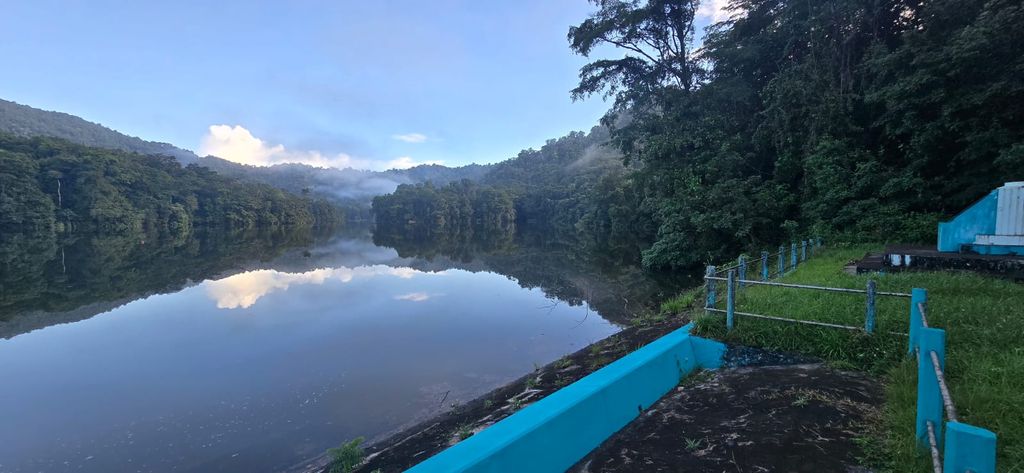
WASA said the North East Distribution System is supplied almost entirely by surface water sources and had been directly affected by rainfall conditions. It said Valencia West and sections of Arima are supplied largely by the Hollis system, where below-average rainfall during the recent dry season caused raw water availability to decline significantly.
The authority said Pinto Road, Santa Rosa and Calvary are supplied by the Guanapo and Aripo Water Treatment Plants, which experienced interruptions on 10 non-consecutive days in July after heavy rainfall affected raw water quality and clogged intake screens.
WASA said both plants have since been restored and the affected communities are being supplied according to established schedules.
Related News

Man charged with stealing car after teen dies in accident
Alexander on recent bomb threats: ‘An arrest is imminent’
Andy Burnham becomes the UK’s seventh prime minister in a decade after Starmer resigns