Alexander admits cops facing a ‘hard time’ but urges them to ‘keep the fight’
 30 May 2026

Senior Reporter
shane.su[email protected]
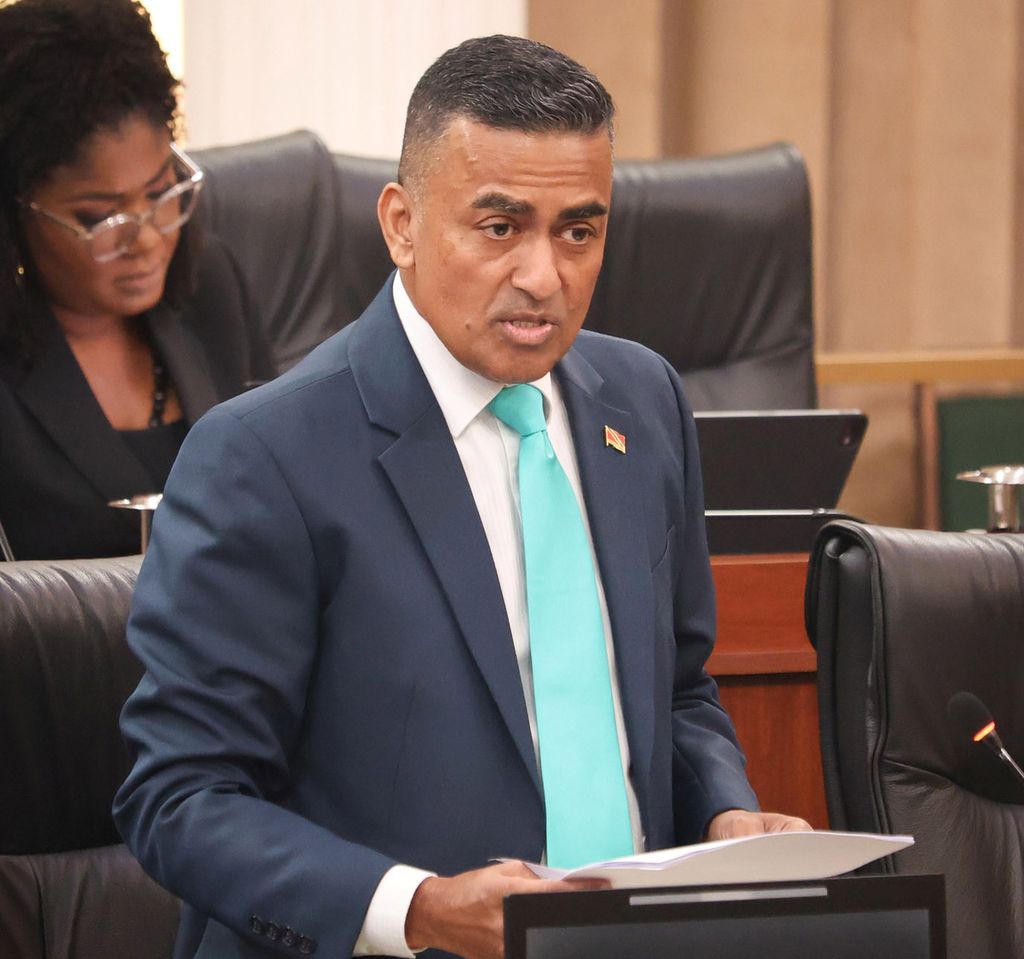
Hours before activists and demonstrators tried to stage a protest in support of police shooting victim Kaia Sealy outside the Forensic Science Centre, St James, yesterday, Homeland Security Minister Roger Alexander called on police to preserve their integrity, as he acknowledged that the T&T Police Service was facing several challenges in terms of their image.
Alexander made the remarks during his address at the launch of the TTPS’ Diplomatic Security Unit, which is aimed at providing security to diplomats, high commissions and embassies.
Alexander said he expected that officers in the unit would display the best quality of policing T&T had to offer, as he said the safety of citizens and visitors alike was a major priority of Government.
Addressing officers directly, he said, “I want to thank all the members of the Trinidad and Tobago Police Service, as we are going through a hard time at this time with respect to integrity, as persons are trying to display that your integrity is in question. However, keep the fight, continue doing your duties, integrity is not for sale ... persons were born with that, so they will take it away from you by any means necessary. Every operation, every patrol, every protected life, every secure community... it all matters.”
Alexander also vowed to protect ambassadors and their staff with the highest standard of professionalism and competence in mind.
Guardian Media also tried to speak with Homeland Security Minister Alexander after his speech but he greeted reporters by wishing them a Happy Indian Arrival Day before leaving promptly with members of his security team.
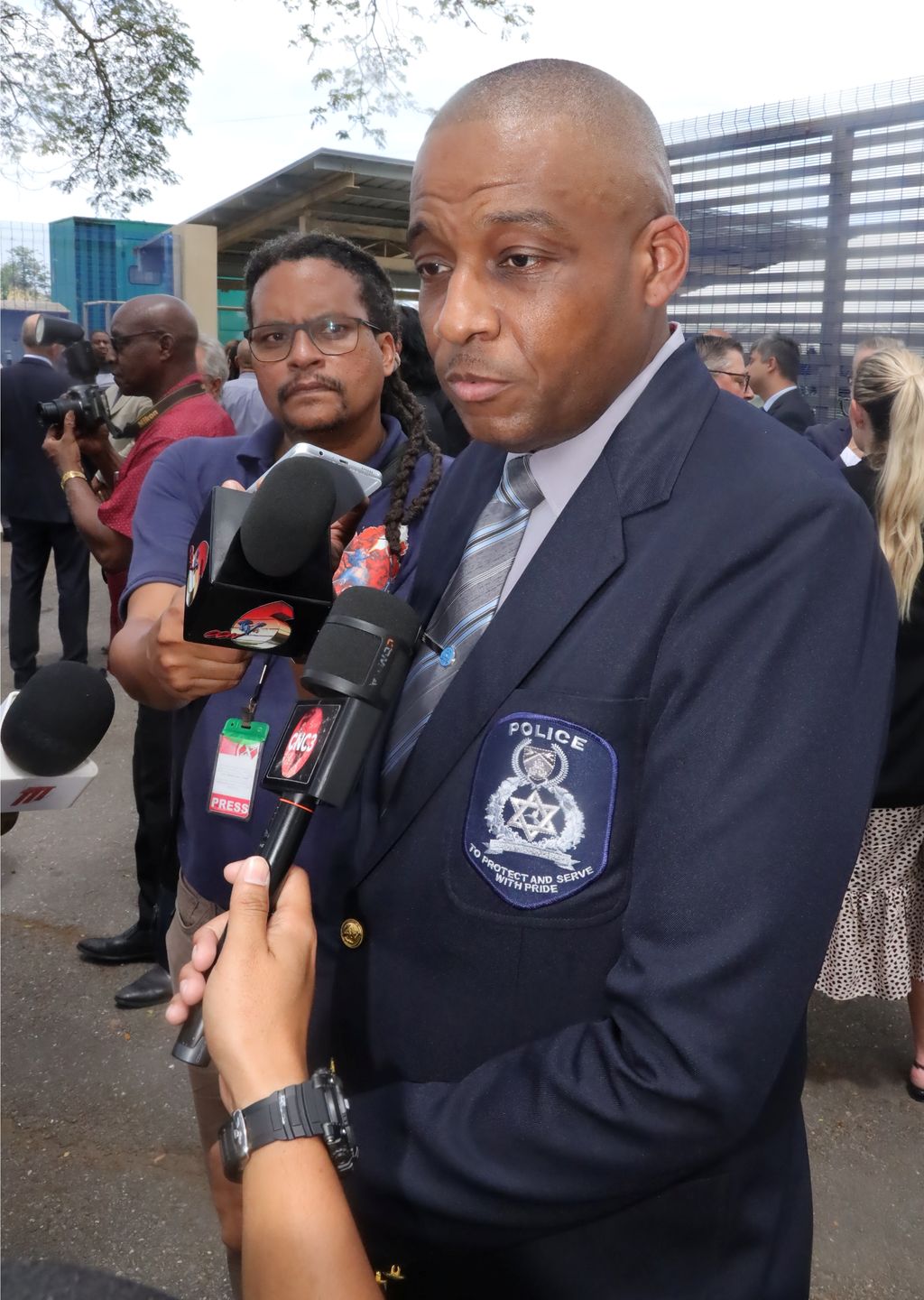
Meanwhile, Commissioner of Police Allister Guevarro said he was confident the new unit would allow for more comprehensive protection of diplomats.
Listing the roles and functions of the Diplomatic Security Unit, Guevarro said officers would be required to respond directly to demonstrations outside embassies. Also included in their mandate will be acting as a direct liaison between foreign governments and local agencies, conducting security checks, patrols around embassies, high commissions and consulates, rapid response to emergencies involving diplomatic staff and premises and intelligence liaison through the Special Branch.
Speaking with reporters after the launch, Guevarro said the creation of the unit would not render the role of Special Branch redundant, as it would deal exclusively with issues pertaining to the diplomatic corps.
He also said he had met and spoken with resident and regional ambassadors since assuming office, but was unable to disclose specifically what security concerns were raised, as those meetings were held “in confidence.”
Guevarro was also asked about the legal notice he issued restricting protests outside certain facilities, institutions and ministries, after it was pointed out that T&T is not known to be a “lawless society.”
According to Legal Notice No. 40 of 2026, people participating in public protests or demonstrations are prohibited from being at, or within 500 metres of several state institutions and “sensitive” facilities.
These restricted areas include the Parliament and Parliamentary Complex, the Office of the President, the Office of the Prime Minister, the Diplomatic Centre, the Office of the Attorney General, the Ministry of Finance, the Ministry of Defence and the Ministry of Homeland Security.
Also included were the T&T Police Service headquarters, all police stations, the T&T Prison Service headquarters, all prison facilities, the T&T Defence Force headquarters, all military bases, the office of the Director of Public Prosecutions (DPP), the Piarco International Airport, the ANR Robinson International Airport and the Port Authority of T&T.
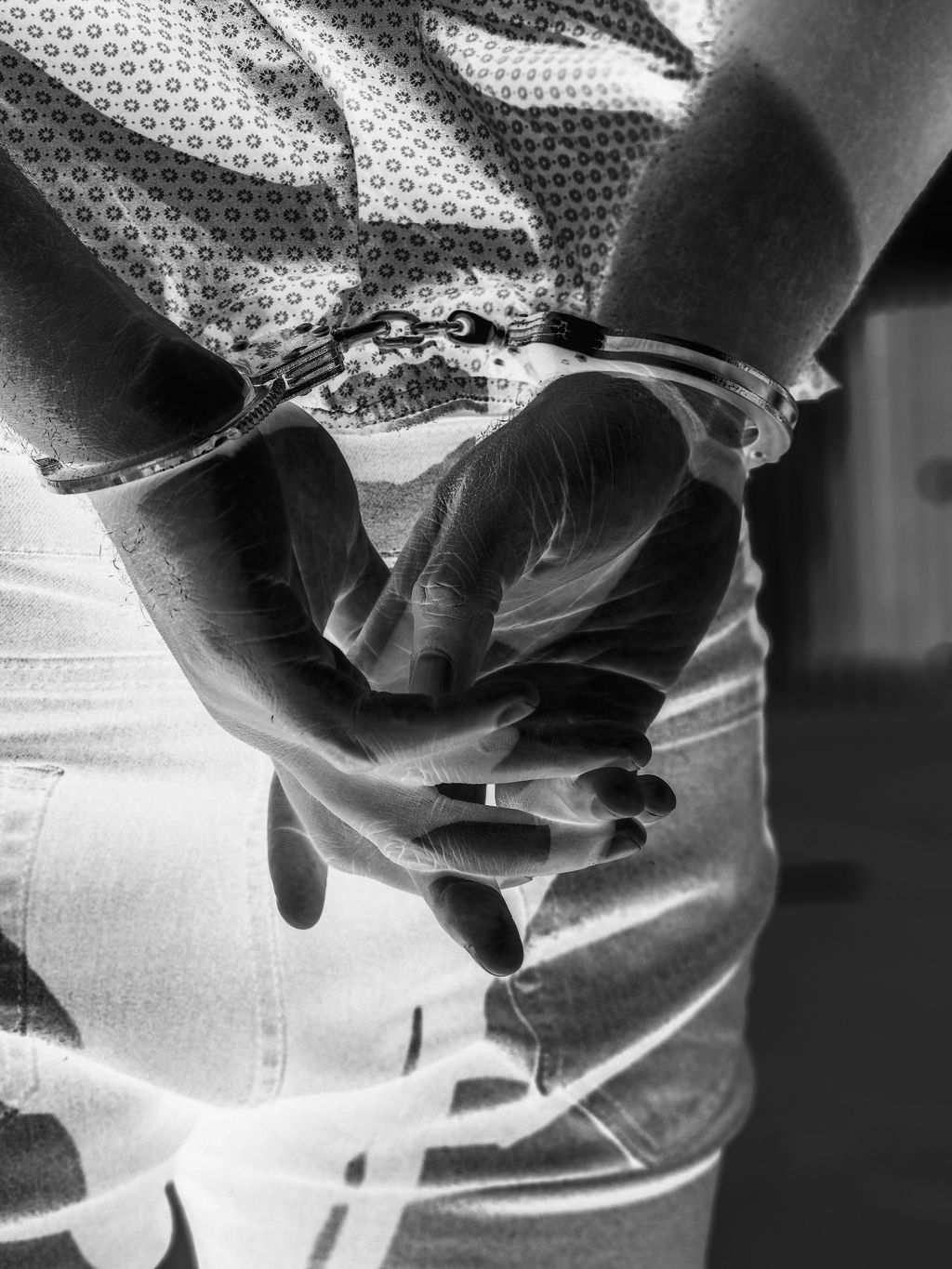
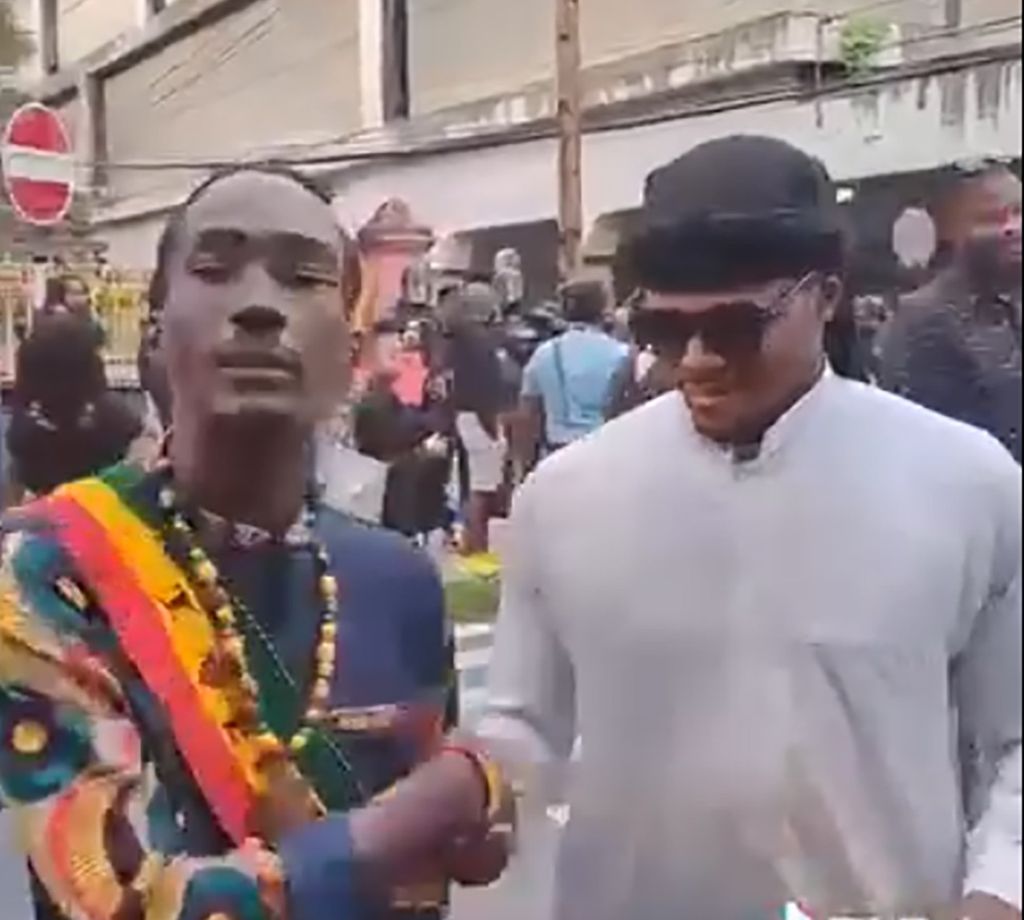
The legal notice was made on May 27, the same day police ended a protest near the DPP’s Office, which led to the arrest of organiser Alyssa Phillip, her mother Camille Caresquero and social media personality Jason De Silva.
Guevarro did not respond directly to whether Prime Minister Kamla Persad-Bissessar was consulted on the notice, but maintained that the provisions were necessary in maintaining public safety and order while also observing the rights of people to express themselves.
He noted that while protests were not prohibited, people seeking to stage a demonstration were still expected to act within the law.
“If you are going to protest, if you want to express yourselves, kindly do so with what is present in terms of the law and stick within the boundaries of what is stated in the law and the legal notice,” he said.
Responding to criticism that the TTPS has not been transparent with certain details about the nature of the police-involved shooting that led to the death of Joshua Samaroo and the wounding of Sealy in January, Guevarro said he was wary of divulging too much information, since it could prejudice the investigation.
He therefore urged the public to be patient and trust in the judicial proceedings, as he endorsed the independence of the justice system to adjudicate on matters.
“Other persons have decided to expose what they have uncovered as what they believe to be the truth and they are causing confusion and drama and bacchanal behaviour in the public,” he said.
“And I want to urge the public to remain calm. Everyone will get their day in court and it will be expressed before a magistrate, before a judge, before a jury and the whole of Trinidad and Tobago will know. So, we want to express the independence of all the organisations involved in terms of this investigation.”
Reporters tried asking further questions but Guevarro left shortly after.