
RYAN BACHOO
Lead Editor – Newsgathering
ryan.ba[email protected]
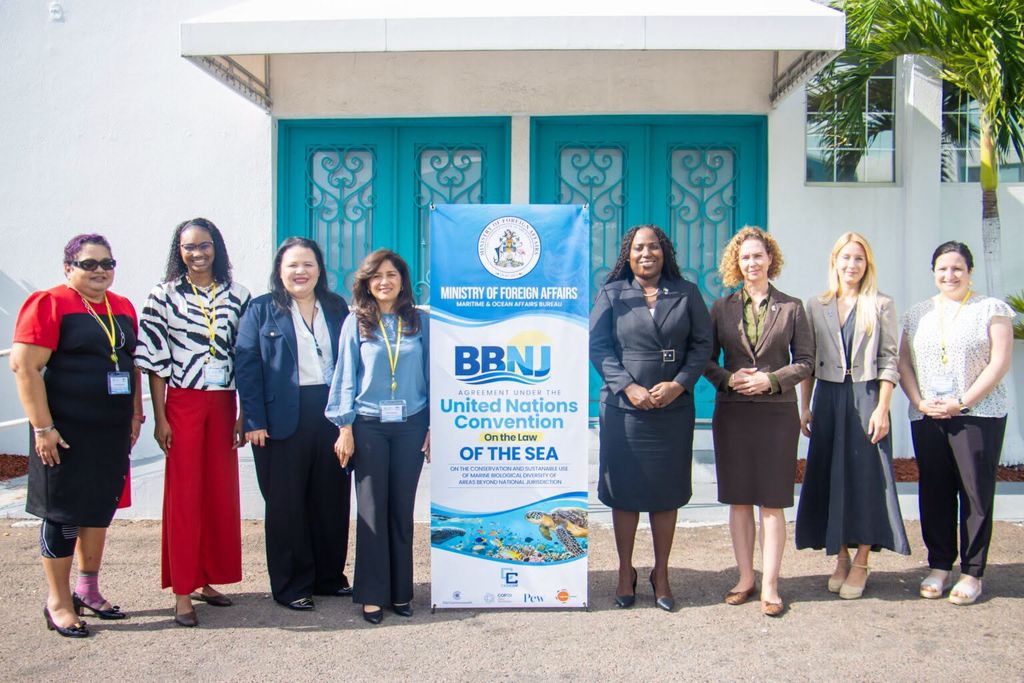
Caricom countries are strengthening their regional preparations ahead of the inaugural Conference of the Parties (COP1) to the Agreement on Marine Biological Diversity of Areas Beyond National Jurisdiction (BBNJ Agreement), following a regional workshop in The Bahamas.
The October meeting brought together regional negotiators, technical experts, representatives of Caricom member states and international partner organisations to coordinate the Caribbean's approach to the landmark international agreement.
The COP1 meeting is scheduled to take place at United Nations Headquarters in New York from January 11 to 22, 2027.
Adopted under the United Nations Convention on the Law of the Sea, the BBNJ Agreement establishes an international framework for the conservation and sustainable use of marine biodiversity in areas beyond national jurisdiction, commonly referred to as the high seas.
Its implementation is expected to strengthen international cooperation in addressing shared ocean challenges, protecting vulnerable marine ecosystems and ensuring that the benefits of marine resources are managed sustainably.
The Caricom Regional Preparatory Workshop was organised by the Caricom Secretariat in collaboration with the Maritime and Ocean Affairs Bureau of The Bahamas' Ministry of Foreign Affairs.
It received support from The Commonwealth, The Pew Charitable Trusts, the High Seas Alliance and the Government of The Bahamas.
The discussions provided an opportunity for regional negotiators to deepen their understanding of the agreement, exchange technical perspectives, clarify outstanding issues and identify areas for coordinated action ahead of the first meeting of the parties.
Ambassador and Plenipotentiary Representative of The Bahamas to Caricom, Senator Robyn Lynes, underscored the importance of the Caribbean maintaining a strong and coordinated voice in shaping the agreement's implementation.
Lynes said Caricom had a critical role to play in ensuring that the rules, processes and institutions established under the agreement allowed all participating countries, regardless of their size or level of development, to meaningfully influence decisions on marine biodiversity beyond national jurisdiction.
She also highlighted the close relationship between ocean health and the well-being of Caribbean people.
For the region's Small Island Developing States (SIDS), healthy and resilient marine ecosystems are fundamental to food security, livelihoods, economic stability and sustainable development.
The preparatory discussions therefore represent an important step in ensuring Caribbean countries are equipped to participate effectively in the emerging global framework.
As the region faces mounting pressures on its marine environment, Caricom's coordinated engagement at COP1 will be important in ensuring that the interests and vulnerabilities of small island states are reflected in decisions governing the future of the world's oceans.
Related News
Lonsdale forms partnership to drive investment
Midterm elections are coming to a close as voters pass judgment on Trump’s second term
Business leaders eye US midterm’s impact on trade