
Senior Reporter
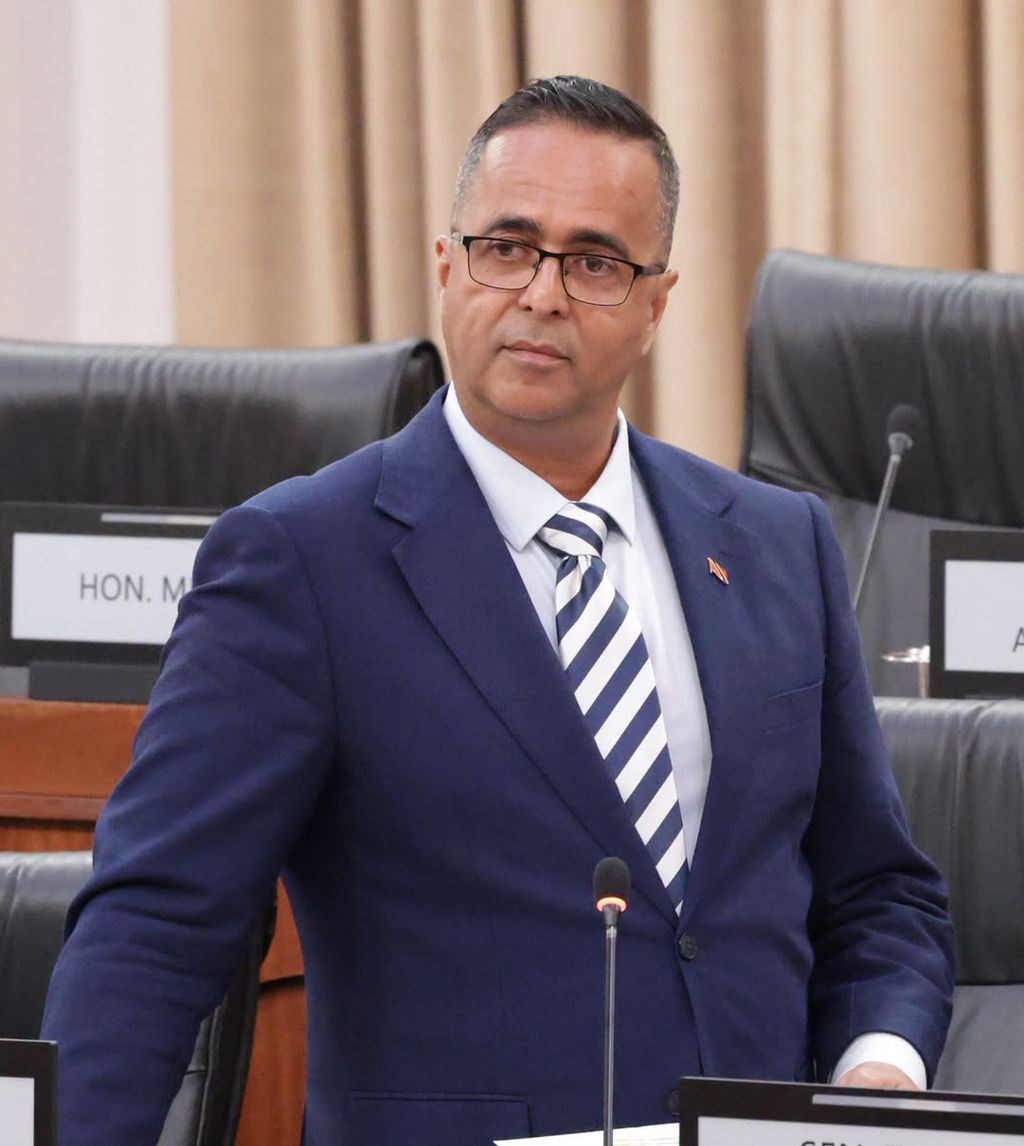
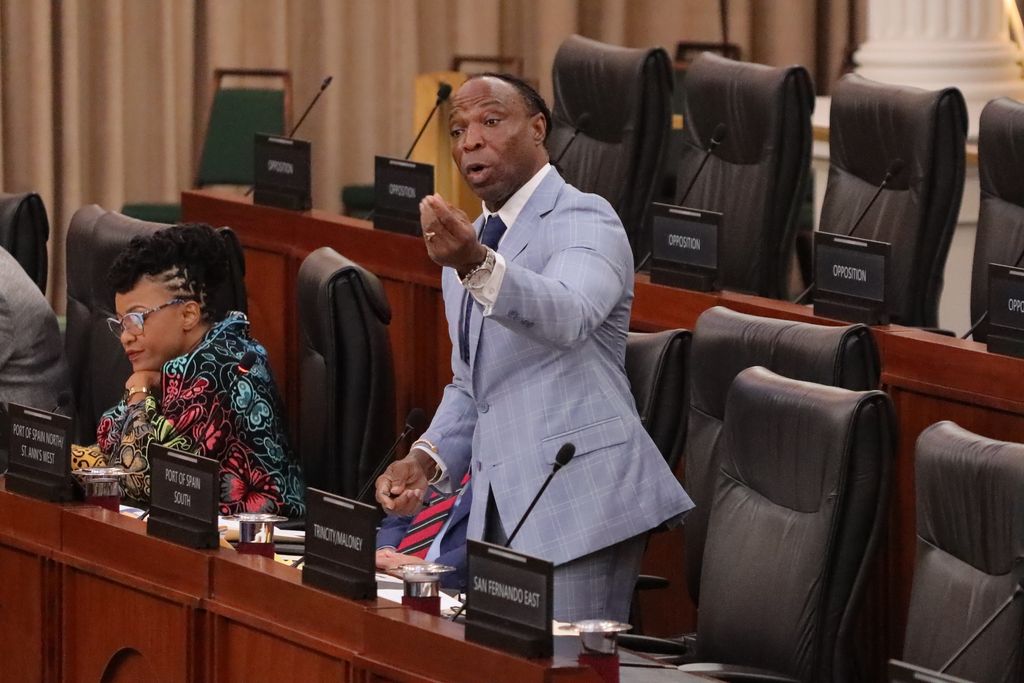
Government Senator Phillip Alexander has pushed back against the Law Association of Trinidad and Tobago (LATT) after it called on Prime Minister Kamla Persad-Bissessar to withdraw remarks she made about independent senators following their rejection of the Government’s Special Operations Bill.
The controversy stems from the Prime Minister’s criticism of the nine independent senators who voted against the bill. Persad-Bissessar described them as “satanic” and “demonic” and said her Government would no longer accept amendments proposed by independent senators on legislation.
In a statement yesterday, LATT expressed concern over the remarks and urged the Prime Minister to retract them.
Speaking to reporters outside Parliament yesterday, however, Alexander questioned whether the current independent bench was carrying out its constitutional role. He argued that independent senators are intended to function as individual voices rather than as a collective voting bloc.
“They’re supposed to be nine individual pivot points in the conversation to guide the process forward. That’s not what’s happening,” he said.
Alexander said a statistical analysis conducted by his team suggested that on matters of significant public concern, the independent senators had voted together under the current administration. He said that pattern was inconsistent with the purpose of the independent bench.
He also criticised the senators’ decision to reject the SO Bill despite several expressing support for aspects of the legislation.
Referring to Independent Senator Zola Phillips, Alexander said he expected an abstention rather than a vote against the bill after hearing her identify both positive elements and areas of concern.
He maintained the Government had already made significant concessions after concerns raised during debate on the defeated Zone of Special Operations (ZOSO) legislation earlier this year.
“If you’re looking for a perfect law, you’ll never find a perfect law,” he said, adding that legislation must be crafted to suit local realities.
He also questioned the process by which independent senators are appointed, raising concerns about whether the President, who makes the appointments, could be perceived as detached from previous political associations.
Alexander further argued that the current senators were “not as independent as they should be,” pointing to occasions when senators referred to one another during debate.
On LATT’s intervention, Alexander said everyone was entitled to an opinion but stressed the Prime Minister possessed a direct electoral mandate.
“The Prime Minister of Trinidad and Tobago has a special majority for a reason. She was overwhelmingly elected to lead this country and to fix it. She has a mandate from the people and the Law Association has no such mandate.”
He said if Persad-Bissessar “sees the independent senators as an obstacle to that progress, she has my support.”
However, Opposition Senator and deputy People’s National Movement leader Sanjiv Boodhu strongly condemned both the PM’s remarks and Government’s criticism of the independent bench.
Speaking with Guardian Media, Boodhu described the comments as “words and sentiments to be condemned in the strongest of manners.”
He said the independent bench exists as an important constitutional safeguard and argued there was no basis for the attacks directed them. He also challenged suggestions that the senators had consistently opposed the Government. According to Boodhu, available voting records indicate the independent bench has more often supported Government legislation than opposed it.
“So, it’s rather strange that on an appearance of true independence, if you look at the numbers alone, the voting patterns of the independent senators, if they are voting more times than not for the Government, then what is the attack about?” he asked.
He said disagreement over legislation was a normal part of parliamentary democracy and noted that independent senators had clearly outlined their concerns with the SO Bill during debate.
Boodhu said their responsibility was to assess legislation based on their professional expertise, academic backgrounds and civic obligations.
He also warned that the Prime Minister’s comments could discourage people interested in public service from aspiring to serve as senators.
“There are people who wish to contribute to public life without becoming involved in partisan politics,” he said. “The feedback that the Prime Minister is giving to the independent bench now says that if you’re not exercising a partisan position, you’re going to be criticised, and in the most vile of means you’re going to be criticised.”
He also addressed criticism surrounding Senate President Wade Mark’s casting vote, which secured passage of the bill.
Boodhu said both the Constitution and Senate Standing Orders permit the senate president to exercise a casting vote. As such, he argued, the issue was not one of constitutionality or procedural breach but rather one involving parliamentary convention.
He noted that Mark had indicated he would later provide the legal reasoning and research underpinning his decision.
Related News
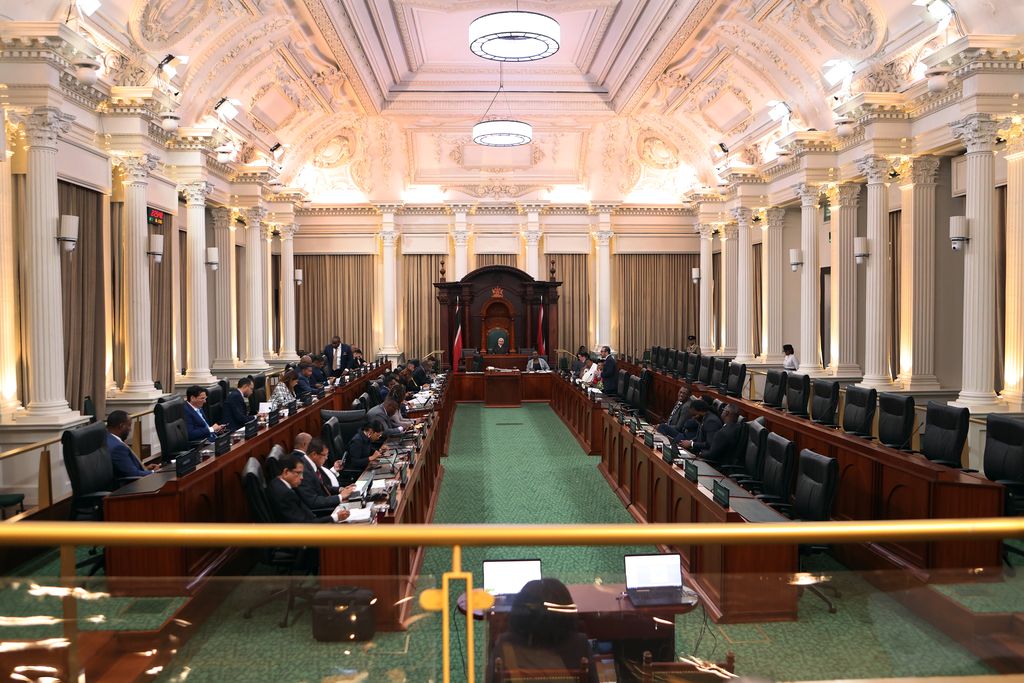
Special Operations Bill rewrites ZOSO
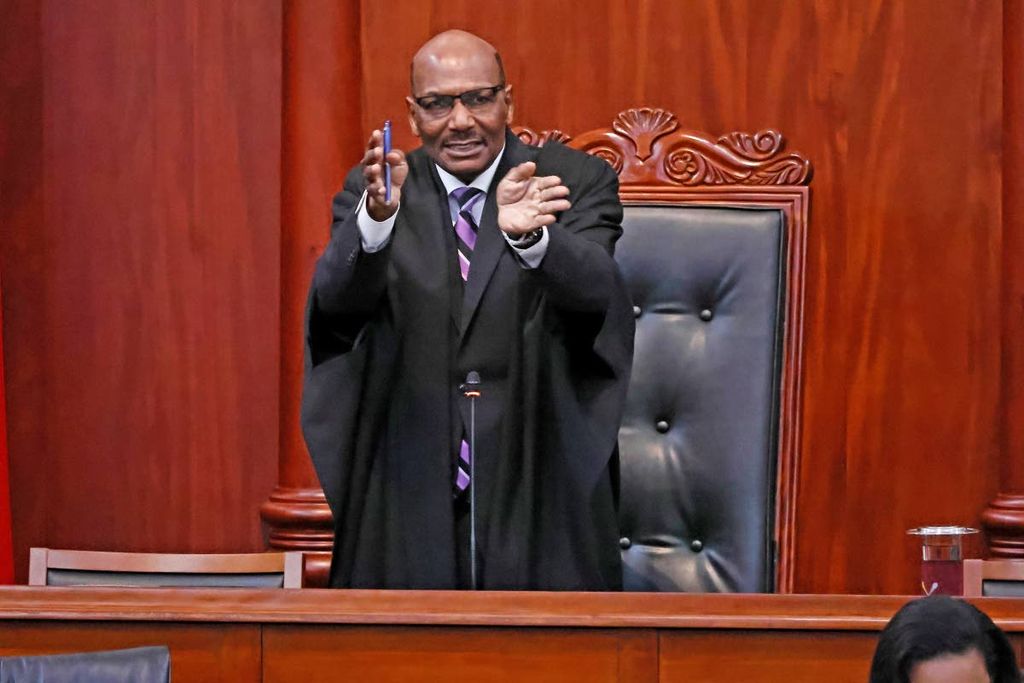
Mark's vote breaks 15-15 Senate deadlock to pass Special Operations Bill
Scotland: Special Operations Bill a ‘sprawling assault’ on citizens’ rights