Alexander on body cameras available to TTPS: ‘We will work with what we have’
 19 September 2026
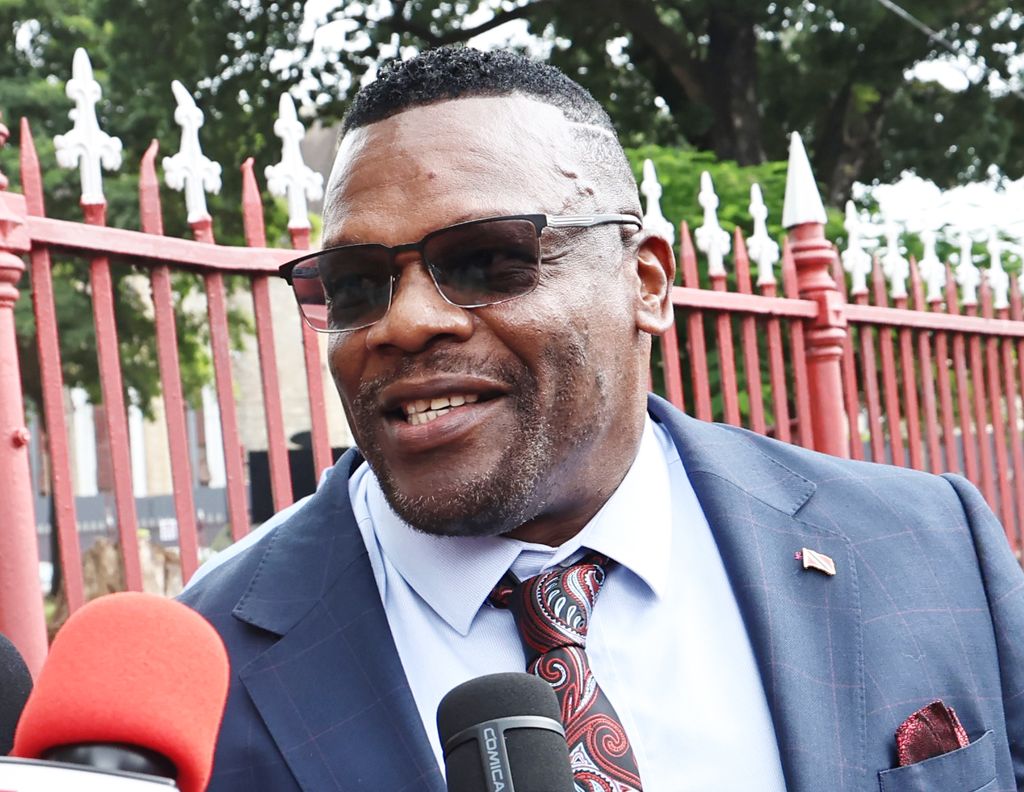

Homeland Security Minister Roger Alexander says the Government will have to make do with the body cameras currently available to the Trinidad and Tobago Police Service (TTPS), as concerns grow over whether there are enough functioning devices and whether their use will be mandatory during operations under the proposed Special Operations Bill.
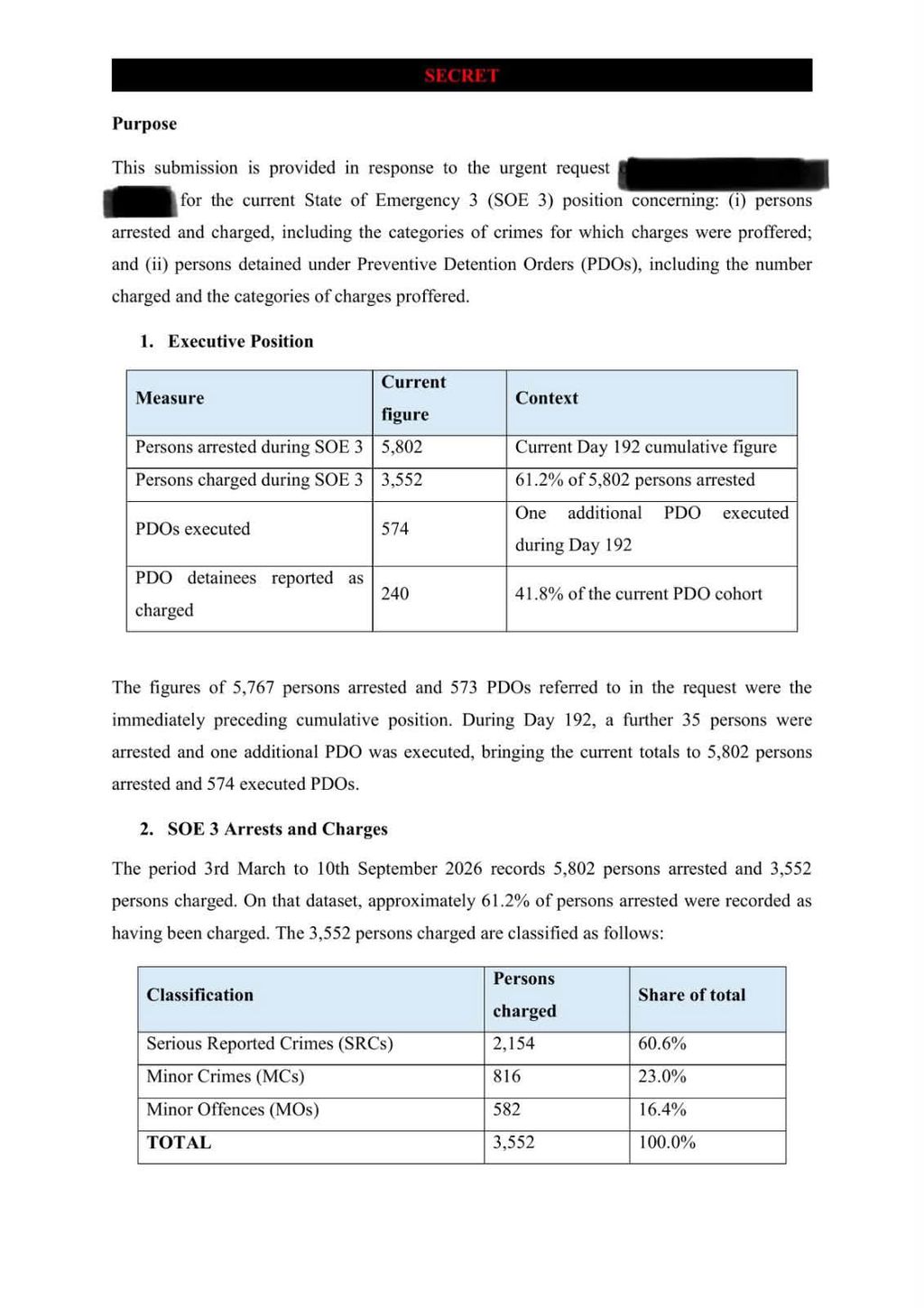
The bill will permit police officers, assisted by members of the Defence Force, to conduct special operations in areas declared closed. Officers involved in those operations are expected to wear body cameras, Prime Minister Kamla Persad-Bissessar had declared on Wednesday.
However, the legislation stops short of making their use mandatory. Instead, it states that body cameras should be used as far as practicable, subject to available resources.
Asked yesterday whether officers would be required to wear body cameras during special operations, Alexander did not directly answer the question. Instead, he repeatedly said: “We will work with what we have.”
Pressed further by Guardian Media, Alexander pointed to what he described as past financial mismanagement within the T&T Police Service, arguing that millions of dollars that could have been used to better equip officers had been squandered.
“A couple years ago, it would have been easier if the police in 2020 didn’t go and take a loan for $200 million, pay $9 million for seven years and then at the end of the expiration period, have to pay back $200 million. We would have buy more body cameras with that,” Alexander said.
His comments came after Police Commissioner Allister Guevarro disclosed that just over 100 body cameras are currently operational within the TTPS.
Guevarro said the available devices have been assigned to frontline officers, but their battery life remains a challenge, with each camera lasting only about 90 minutes to two hours. He also revealed that additional cameras are being procured.
The Government had previously cancelled a nearly $25 million contract for 3,000 body-worn cameras, saying the move would save taxpayers millions of dollars.
However, former police commissioner Gary Griffith has challenged Alexander’s claim regarding the alleged $200 million loan.
In a statement yesterday, Griffith said no commissioner of police has the authority to independently secure such a loan on behalf of the TTPS.
“An allegation of this magnitude discredits the TTPS, further undermines public trust in the organisation and creates the impression that hundreds of millions of dollars may have been borrowed and spent without the public knowing how, why or by whom,” Griffith said.
He called on Alexander to provide evidence to substantiate the claim.
“Is Minister Roger Alexander being misled? It surely would appear so,” Griffith said.
“In response to questions about whether he would support making body cameras mandatory during police operations, Minister Roger Alexander made the extraordinary claim that, in 2020, the Police Service acquired a $200 million loan to purchase body cameras and other equipment.
“There is one major problem with that statement. It could not have happened. No Commissioner of Police has the authority to simply borrow $200 million on behalf of the Trinidad and Tobago Police Service. A commissioner cannot walk into a financial institution, secure a $200 million loan and commit the TTPS, and by extension taxpayers, to that debt. So before we even get to whether the figure is accurate, the very premise of the allegation is fundamentally flawed.”
Griffith said if Alexander had been provided with information about a $200 million loan, the minister should demand proof and correct the public record if the claim proves inaccurate.
He also cautioned against allowing the dispute to overshadow the broader issue of body camera usage during special operations.
Griffith urged Alexander to ensure the Government’s body camera policy is fully implemented within the TTPS.
“Body cameras are not anti-police. They protect citizens, but they also protect good police officers,” Griffith said. “They provide objective evidence. They expose misconduct where it occurs and, equally importantly, can protect officers against false allegations.
“This is therefore bigger than one minister being given bad information. The Minister should be asking whether there are persons within the present TTPS hierarchy who are resistant to measures that increase accountability and, if so, why.”