
Raphael John Lall
Two weeks after dismantling a suspected human trafficking ring in Caracas, Venezuelan police have rescued 14 people who were allegedly being prepared for transport to Trinidad and Tobago for forced labour.
The latest operation took place last Friday in Delta Amacuro, a Venezuelan state close to Cedros, an area associated with illegal migration, human trafficking and other illicit activity.
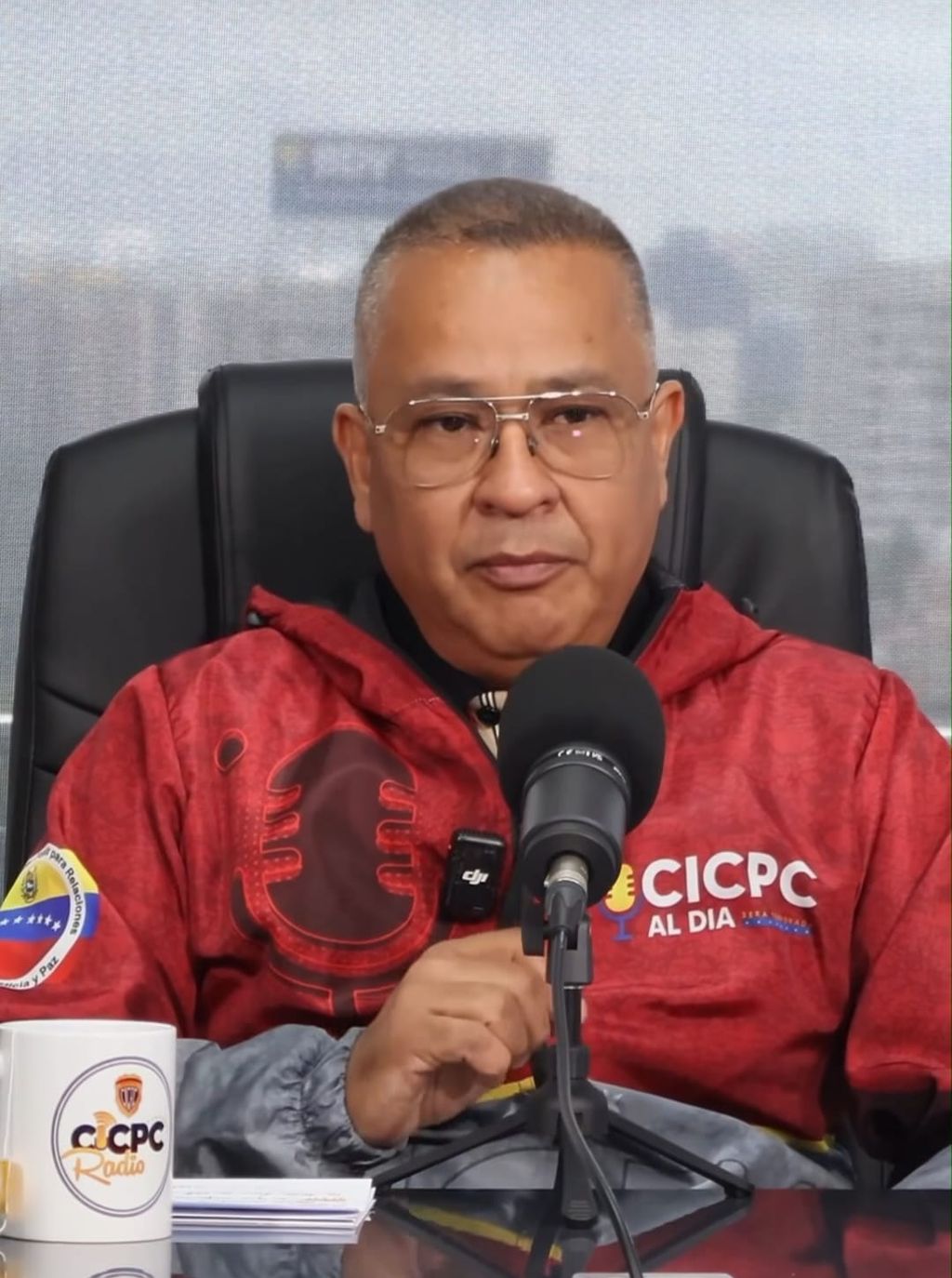
According to a post on Instagram by Douglas Rico, director of Venezuela’s Corps of Scientific, Criminal and Criminal Investigations (CICPC), the 14 people were rescued before they could be transported to T&T.
Rico said preliminary investigations found that the victims had been recruited through false promises of employment and economic opportunities in Trinidad and Tobago.
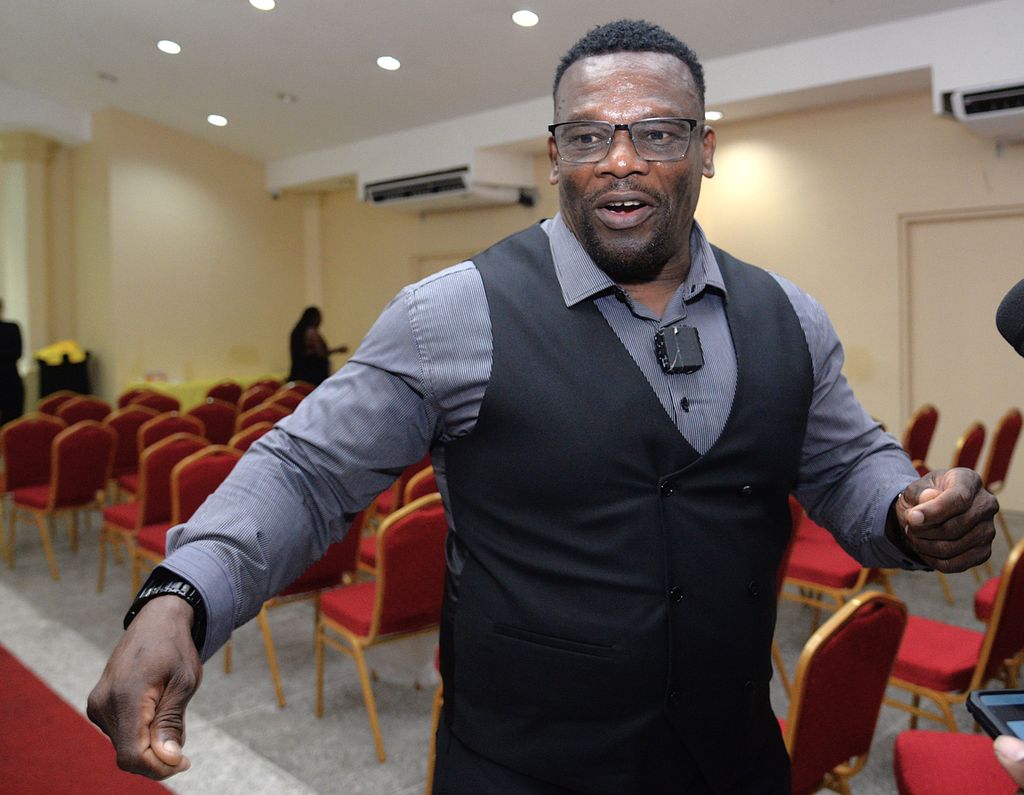
Regional security consultant Dr Garvin Heerah described the operation as “good news”, but cautioned against viewing it as evidence that human trafficking between Venezuela and T&T is declining.
“These are important successes. Every person rescued represents a life potentially saved from exploitation. However, I would caution against interpreting these operations as evidence that human trafficking between Venezuela and Trinidad and Tobago is declining. We simply do not have enough evidence to make that conclusion,” he said.
From a security perspective, Heerah said the arrests instead showed that criminal networks remained active and that the Venezuela–T&T corridor continued to attract organised criminal elements.
He said sustained, intelligence-led enforcement was therefore necessary.
“Human trafficking, human smuggling, narcotics trafficking, and the illicit movement of firearms and ammunition are not crimes that simply disappear because authorities disrupt one or two networks,” he said.
Heerah said the latest operation should also be viewed within the wider context of transnational organised crime.
“What we are dealing with is not simply a collection of isolated trafficking cases. These networks are components of a much larger phenomenon, Transnational Organized Crime,” he said.
He said the infrastructure used to move people could also facilitate the movement of drugs, firearms, ammunition, illicit cash and other contraband.
“Criminal networks are entrepreneurial. They exploit geography, technology, corruption, vulnerable communities and weaknesses in border-control systems,” he said.
Heerah also called for stronger intelligence sharing between Trinidad and Tobago and Venezuela, supported by appropriate safeguards and professional intelligence protocols.
The operation comes days after World Day Against Trafficking in Persons on July 30, when the Ministry of Homeland Security posted a video on Instagram in which Homeland Security Minister Roger Alexander urged the public to remain vigilant and warned about the dangers of human trafficking.
Guardian Media contacted Alexander by telephone and WhatsApp about the latest Venezuelan operation, but he did not respond up to press time.
The Venezuelan Embassy in Port-of-Spain was also contacted for comment but had not responded up to press time.