
Senior Reporter
kay-marie.fletch[email protected]
Homeland Security Minister Roger Alexander says the Government’s plan to establish additional police posts across Trinidad and Tobago forms part of a broader anti-crime strategy aimed at increasing law enforcement visibility and improving public safety.
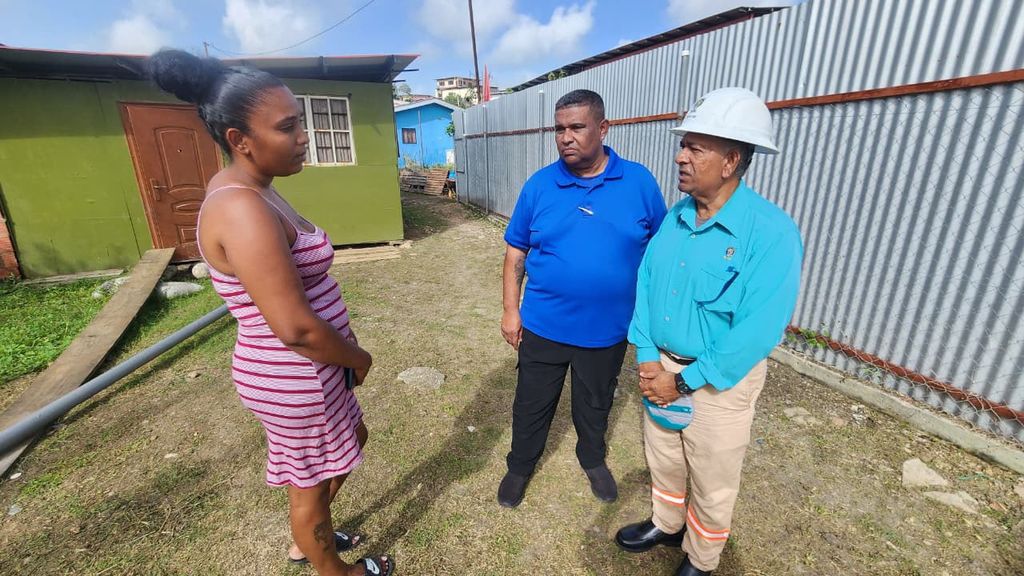
Responding to questions from the media in his Tunapuna constituency yesterday, Alexander said the initiative is one of several measures being implemented to strengthen communities and maintain recent gains in the fight against crime.
“As it relates to our anti-crime plan, this is one of the strategies that we’re about to use to give the public, give areas, constituencies, highways and byways that sense of safety and security with the presence and visibility of law enforcement officers anywhere you go and in strategic locations just in case there is a situation that arises,” Alexander said.
He said that elements of the anti-crime plan would draw on the proposed Zones of Special Operations (ZOSO) framework.
“So part of the programme that you’re seeing with the containers is an introduction of the ZOSO,” he said.
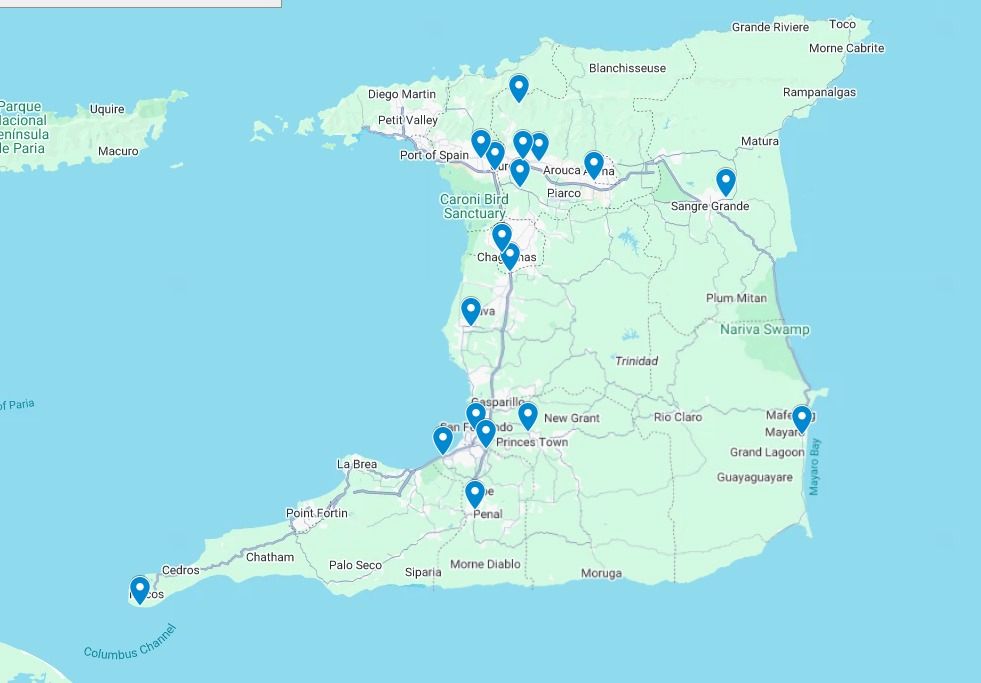
His comments come one day after Prime Minister Kamla Persad-Bissessar announced that the Government will be setting up 30 joint police-army posts across the country over the next four months.
She said the initiative is intended to respond to years of requests from communities for a greater security presence and provide residents with “a sense of comfort” while helping them regain the use of public spaces.
Responding to questions about why additional security measures were being introduced despite a decline in crime, Alexander said the Government was focused on sustaining those improvements rather than becoming complacent.
Asked if the anti-crime plan is another form of the failed ZOSO bill, Alexander said, “I don’t want to discuss the ZOSO, but what I’m saying to you is, in Tunapuna, the way I have structured my approach, it is shouldering with the ZOSO. As I said before, we are thinking people; we are so we often find ways to treat with things. We listen to the public, not those who are mischievous... We’re not about that. We listen to the members of the public who are seeing things differently so we can guide them and we often take ideas from them. That’s what it is. We are a people-centred Government.”
The ZOSO bill was introduced to curb crime through the use of security for designated zones, and allowed the Prime Minister to declare zones where there is a threat to the rule of law and public order, enabling enhanced police and military powers.
It required a special majority vote to pass. While it was passed in the House of Representatives, it failed to pass in the Senate due to a lack of votes from the majority of the independent senators.
Related News
Panday accuses PM of avoiding scrutiny, using divisive rhetoric
Brebnor says patients ‘don’t realise how good they have it’ in Tobago health system
Support pours in for Union Hall family without electricity