
The Prison Officers’ Association (POA) is urging caution over Homeland Security Minister Roger Alexander’s proposal to use convicted inmates sentenced to hard labour to assist with public space maintenance under the National Programme for the Upkeep of Public Spaces (NPUPS), saying the move must be supported by proper security measures, staffing and resources before it is implemented.
The Association said it recognises the value of rehabilitation through structured work programmes but warned that deploying inmates outside correctional facilities to clean communities, cut grass and maintain public areas requires careful planning and strict safeguards.
Alexander announced on Tuesday that the Government intended to tap what he described as “the largest labour force in the nation” by using prison inmates as part of efforts to address public maintenance issues following the closure of the Community-based Environmental Protection and Enhancement Programme (CEPEP).
“We have the largest labour force in the nation's prison and we don't utilise them,” Alexander said during a visit to an NPUPS site in Tunapuna.
He said inmates sentenced to hard labour could be reintroduced into public spaces to assist with the clean-up process, while also giving them an opportunity to demonstrate their readiness for reintegration into society.
The POA said meaningful work is an important component of rehabilitation, helping inmates develop practical skills, discipline and prepare for life after incarceration.
However, the Association said only carefully selected convicted inmates should be considered for external work programmes.
It said those inmates should be medically certified fit, have served an appropriate portion of their sentence and successfully complete medical, security and behavioural risk assessments.
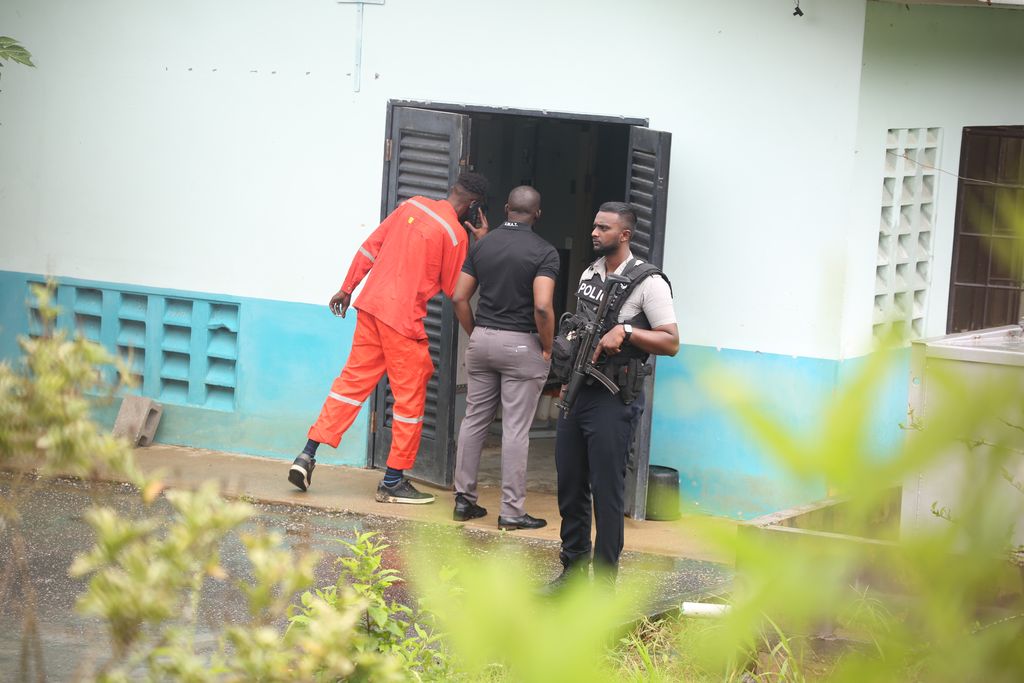
The POA also warned that supervising inmate work details in public spaces is a specialised correctional function requiring trained prison officers, sufficient staffing, secure transportation, appropriate equipment and clear operational procedures.
The Association raised concerns about what it described as inadequate communication devices and other operational resources currently available to prison officers.
It said deploying officers and inmates outside correctional facilities without reliable communication equipment could compromise officer safety, emergency response, operational command and public security.
The POA said these issues must be addressed before any expansion of external inmate work programmes.
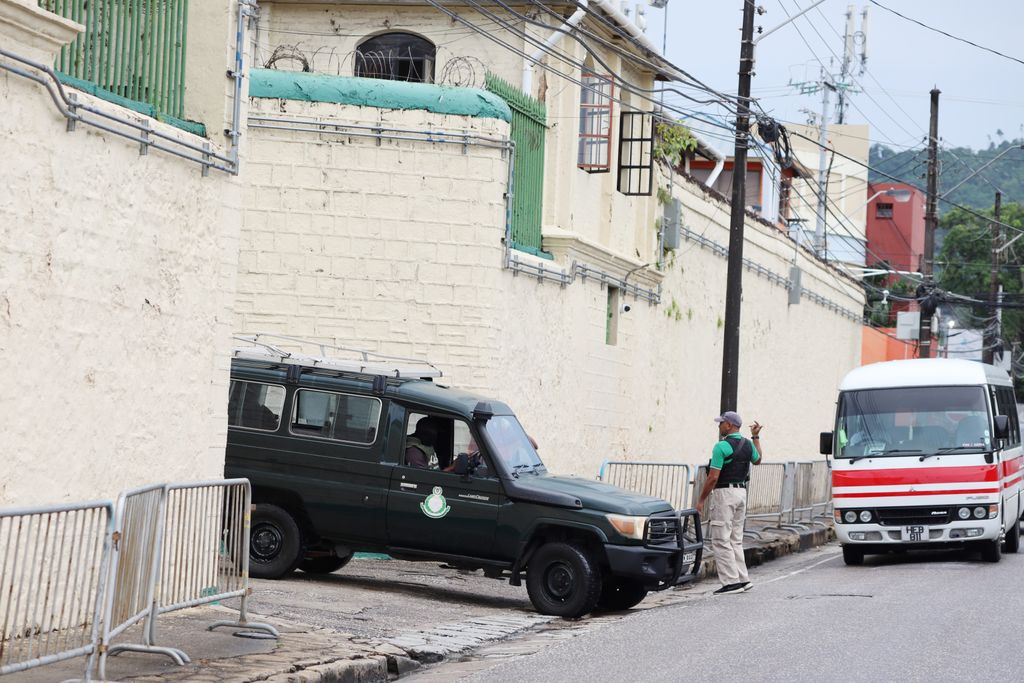
It also pointed to pressure on the prison system caused by an increasing inmate population, including a growing remand population linked to delays in the criminal justice system and the recent addition of individuals detained under Preventative Detention Orders (PDOs).
The Association said overcrowding, staffing shortages and limited resources continue to affect the Prison Service’s ability to safely manage inmates.
It said rehabilitation must be balanced with investments in staffing, infrastructure, communication systems, security resources, transportation and improvements to judicial processes.
The POA said it remains willing to work with Government and other stakeholders to ensure any inmate work programme is implemented responsibly, with the safety of prison officers, inmates and the public as the priority.