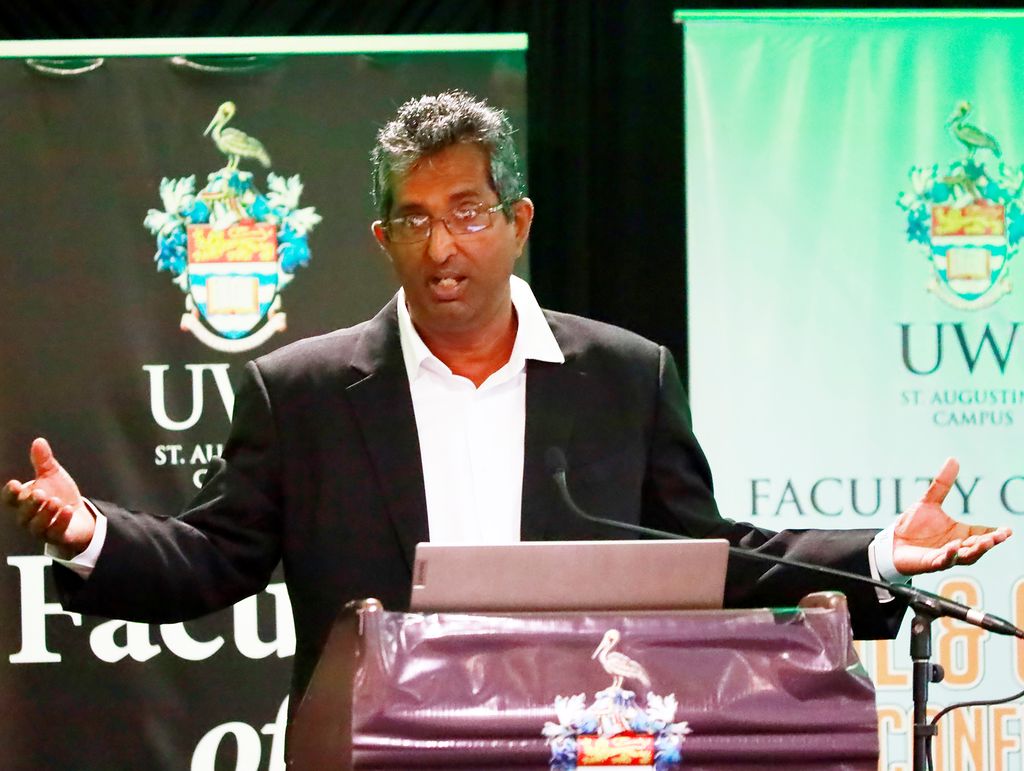

Economist Professor Roger Hosein says the Government’s proposed AI data centre could provide a welcome boost to Trinidad and Tobago’s economy, but he warns the project is still in its earliest stages.
Speaking on CNC3’s The Morning Brew on Monday, Hosein said the data centre has the potential to generate foreign exchange and create jobs if it becomes an export-oriented business.
“Once it brings in foreign exchange for construction and for running the facility, if the output from the centre helps to generate foreign exchange, that is useful. And if it generates jobs, that would be useful.”
He said the country’s fragile economy needs more non-energy industries that earn foreign exchange rather than consume it.
“We are at a fragile state in this economy where any non-energy export-related activity that generates foreign exchange is a welcome intervention and a welcome injection.”
Hosein said he viewed the Government’s three recently signed Memorandums of Understanding, including the AI data centre project, as “steps in the right direction”, but cautioned that there is still a long way to go before any of the projects become operational.
“We are a long way off, of course, from opening, but they are steps in the right direction.”
He compared the stage of the projects to “passing the ball from the keeper to the last stopper,” adding, “It’s very early days here.”
The Government last week signed three MOUs covering AI data centres and the refurbishment and operation of the former iron and steel plant at Point Lisas.
The AI data centre proposal has attracted scrutiny from some experts, who have raised concerns about its electricity and water demands, environmental impacts and the need for greater transparency on costs and expected economic returns. Government officials have said those issues will be addressed as the projects move beyond the MOU stage.
Related News
Police association backs CoP over firings of 17 officers
Political analysts say PNM must heal rifts within party
Fishermen attacked by Spanish-speaking pirates