
The Trinidad and Tobago Securities and Exchange Commission (TTSEC) is warning the public about increasingly sophisticated investment scams, including the use of artificial intelligence to create fake endorsements and interviews featuring prominent public figures and media personalities.
In its sixth investor alert issued on Thursday, the TTSEC said fraudsters continue to adapt their tactics through fake social media profiles, impersonation of legitimate financial institutions and professionals, deceptive investment advertisements, and misleading online communications.
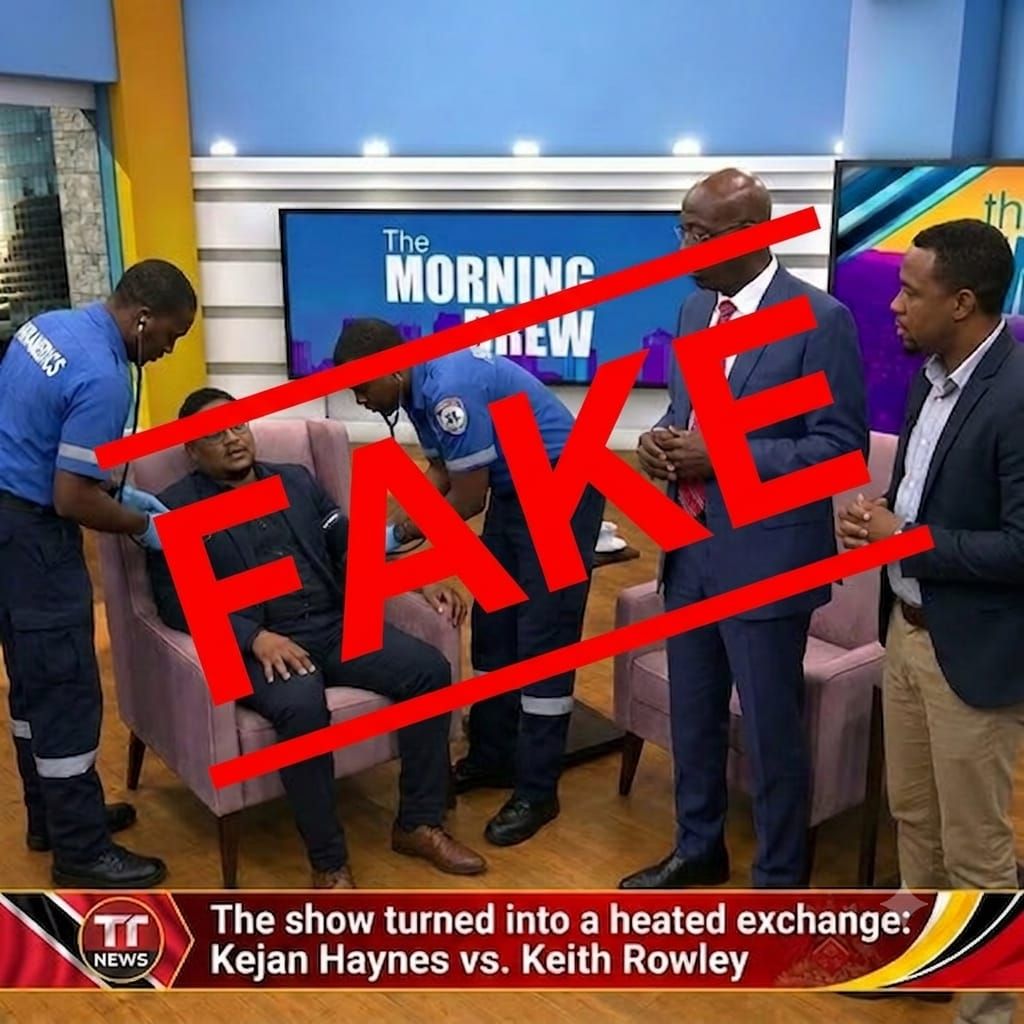
One of the latest scams involves Guardian Media editor Kejan Haynes, with a fake online publication depicting an interview with former Prime Minister Dr Keith Rowley. Guardian Media has disavows any association with the publication and warned that it is fraudulent because no such interview has happened.
The commission said scammers are now using AI to create convincing fake profiles, videos and images of high-ranking public officials and institutions to lend credibility to their schemes.
"Always verify directly with the named individual," the TTSEC advised.
The regulator highlighted several warning signs that members of the public should be aware of, including unrealistic promises of returns, pressure to deposit money quickly, requests to transfer funds into personal bank accounts, and demands for additional fees before profits can be withdrawn.
It also warned against providing sensitive personal information, including identification documents, banking details, passwords and PIN numbers, to unknown individuals.
According to the TTSEC, some victims are given access to fake investment platforms that display exaggerated account balances to create the illusion of substantial profits.
The commission said scammers often use fabricated testimonials and persistent messaging campaigns to pressure people into investing, before eventually cutting off communication when victims seek refunds or raise concerns.
The TTSEC urged the public to be sceptical of unsolicited investment opportunities, particularly those promoted on social media and messaging applications such as WhatsApp and Telegram.
Before investing, individuals are encouraged to verify whether an entity or its promoters are registered with the TTSEC, conduct independent due diligence, and report suspicious activity to marketcom[email protected].
The commission warned that investing with unregistered entities could result in the complete loss of funds.
The TTSEC said it remains committed to promoting fairness, equity and transparency in the securities market and urged the public to stay informed and vigilant against evolving scams.