
A researcher at The University of the West Indies (The UWI), St Augustine Campus, has co-authored what the university describes as a landmark study examining how Indo-Caribbean people in Guyana and Trinidad and Tobago define positive aging.
The study, titled Beyond Independence: Beliefs About Positive Ageing Among Indo-Caribbean People in Guyana and Trinidad and Tobago, was published in The Gerontologist, the flagship journal of the Gerontological Society of America.
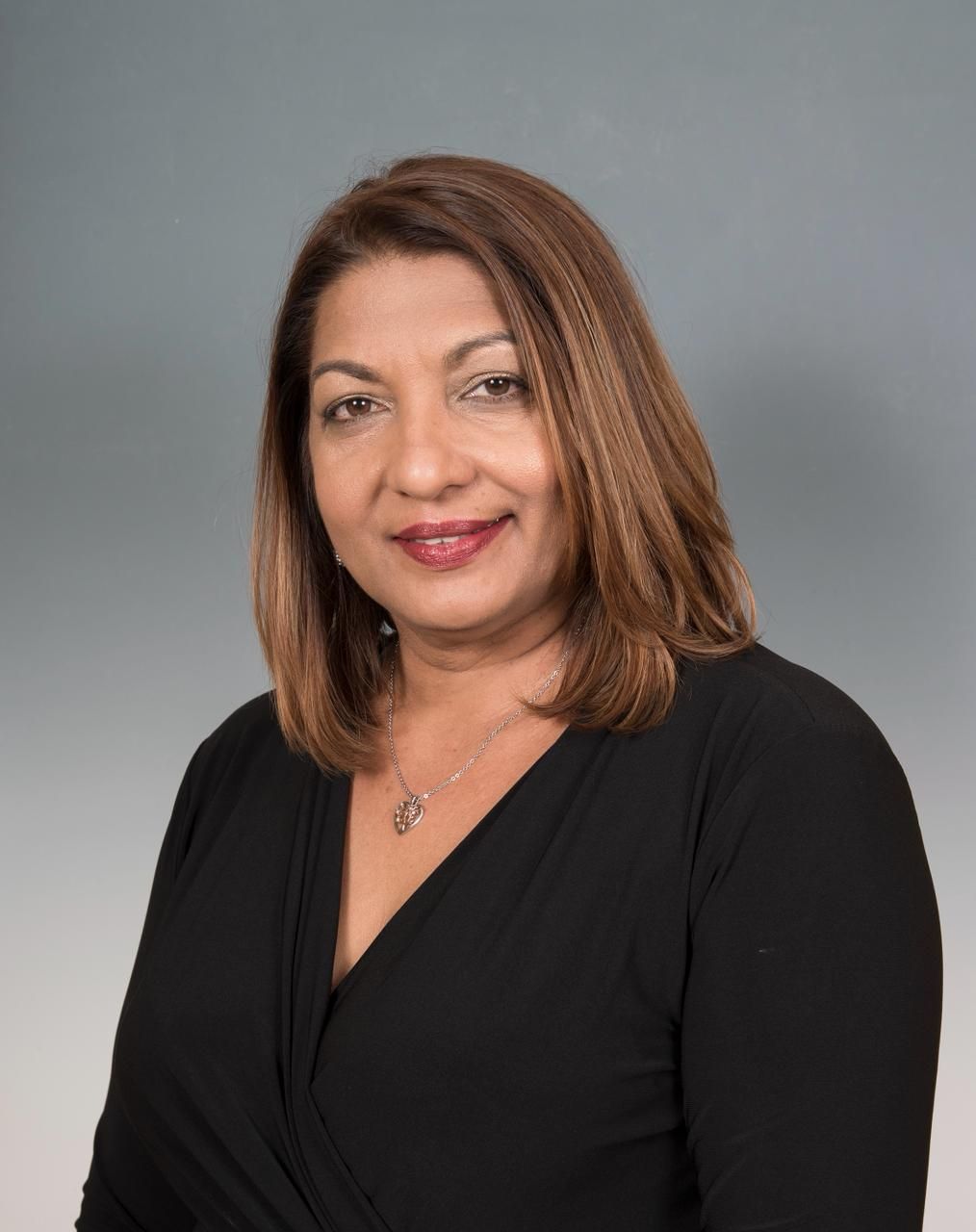
Dr Indrani Bachan-Persad, Unit Head of Economic Engagement and Industry Partnerships at The UWI, was among five authors of the research, which involved collaboration between the International Executive School in France, The UWI and Sharda University in India.
According to the researchers, the study is among the first to place the perspectives of Indo-Caribbean communities in Guyana and Trinidad and Tobago at the centre of international academic research on aging.
The research explored how older people in those communities view aging well and found that their perspectives differ from many Western frameworks that often emphasise individual independence, personal productivity and biomedical health management.
Researchers identified three major themes through semi-structured interviews with participants.
The first was the importance of remaining needed within the family and community. Participants described aging well as continuing to contribute to family life, offering guidance, supporting relatives and remaining involved in important events and decisions.
The second theme focused on faith and cultural preservation. Participants viewed aging well as closely tied to passing cultural traditions, religious practices and family histories to younger generations.
The third theme centred on health. Participants spoke about the value of traditional knowledge, including bush medicine, herbal remedies and long-standing cultural practices, which they saw as complementing formal healthcare.
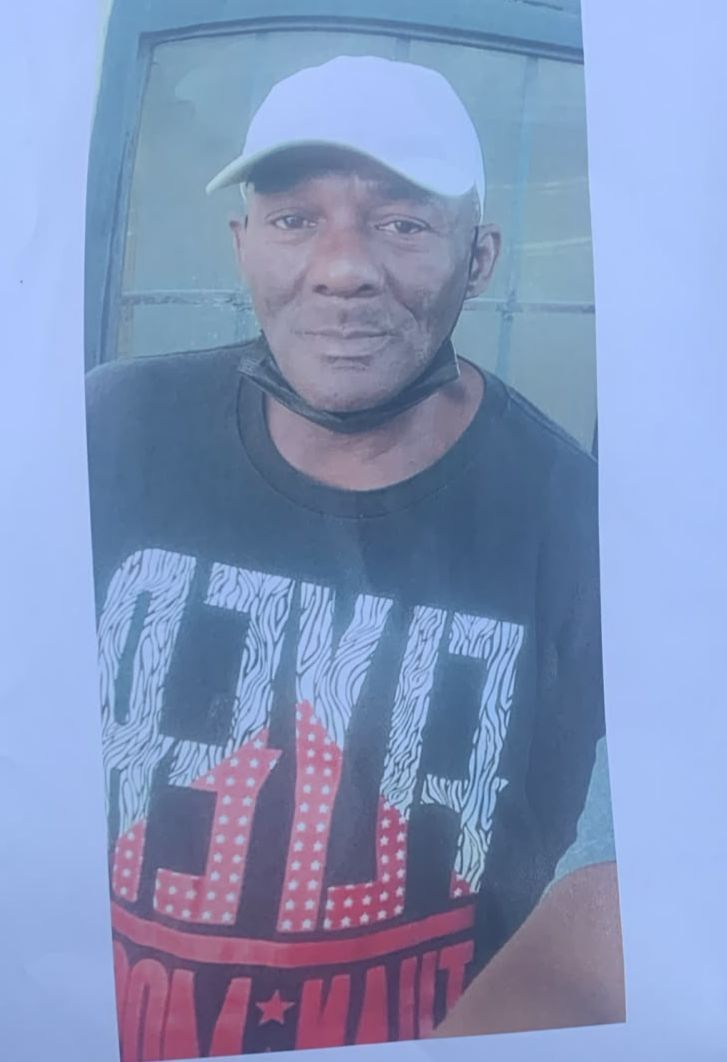
Roy Naipaul, a PhD scholar at the International Executive School and a co-author of the study, said the findings have practical implications for healthcare and public policy.
“This research has real practical implications. If we want healthcare and policy to truly support older adults in Caribbean communities, we need to start from how those communities themselves understand what it means to age well, not from frameworks that were never designed with us in mind,” he said.
Bachan-Persad said the study highlighted perspectives that have often been overlooked in international research.
“Indo-Caribbean communities in Trinidad and Tobago and Guyana have rich and deeply rooted understandings of what it means to age well, yet these perspectives have never featured in international academic research on aging until now. This study is an important step toward ensuring that the policies and systems designed to support our older adults are actually grounded in what aging well means to them, and not imported from frameworks that were never designed with our communities in mind,” she said.
The researchers said the findings have implications for healthcare professionals, community organisations and policymakers, particularly as Guyana and Trinidad and Tobago face aging populations alongside continued emigration among working-age adults.