
Senior Reporter
As Parliament prepares to debate laws affecting school violence, parental responsibility and children’s access to social media, the National Council Parent Teacher Association (NPTA) says it intends to make its voice heard.
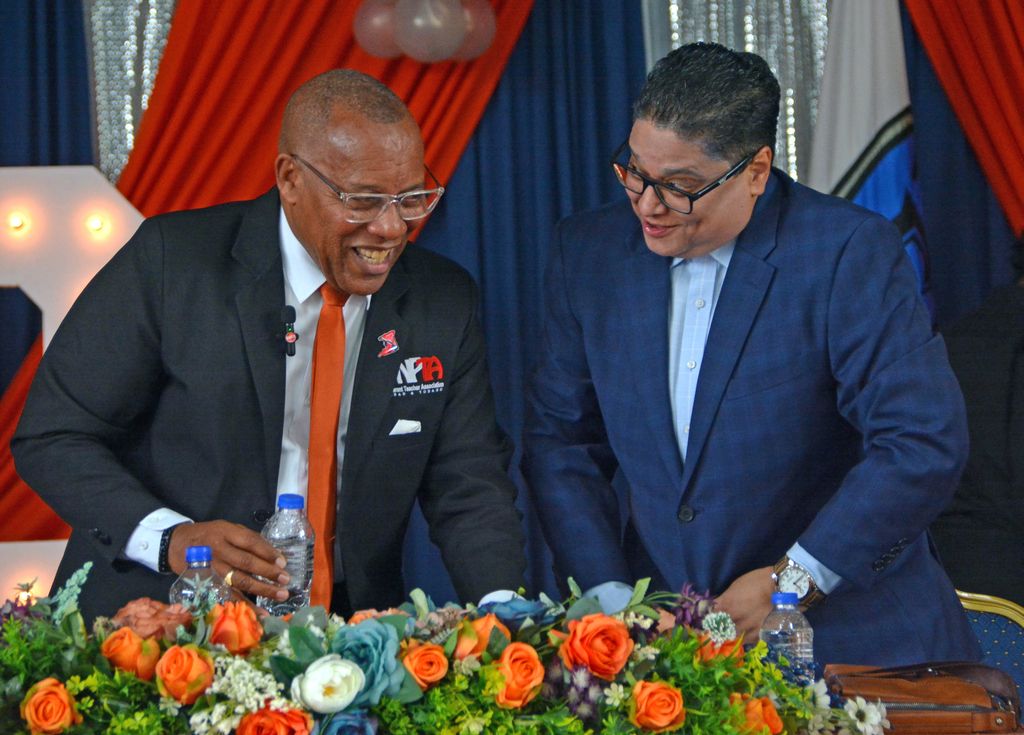
Speaking at the NPTA’s 66th annual mid-year convention at the Princes Town East Secondary School on Saturday, president Walter Stewart pointed to three pieces of proposed legislation he believes will shape the futures of parents and children. These are amendments to modernise the Education Act, a parental responsibility framework aimed at tackling school violence and measures regulating social media use by children under the age of 12.
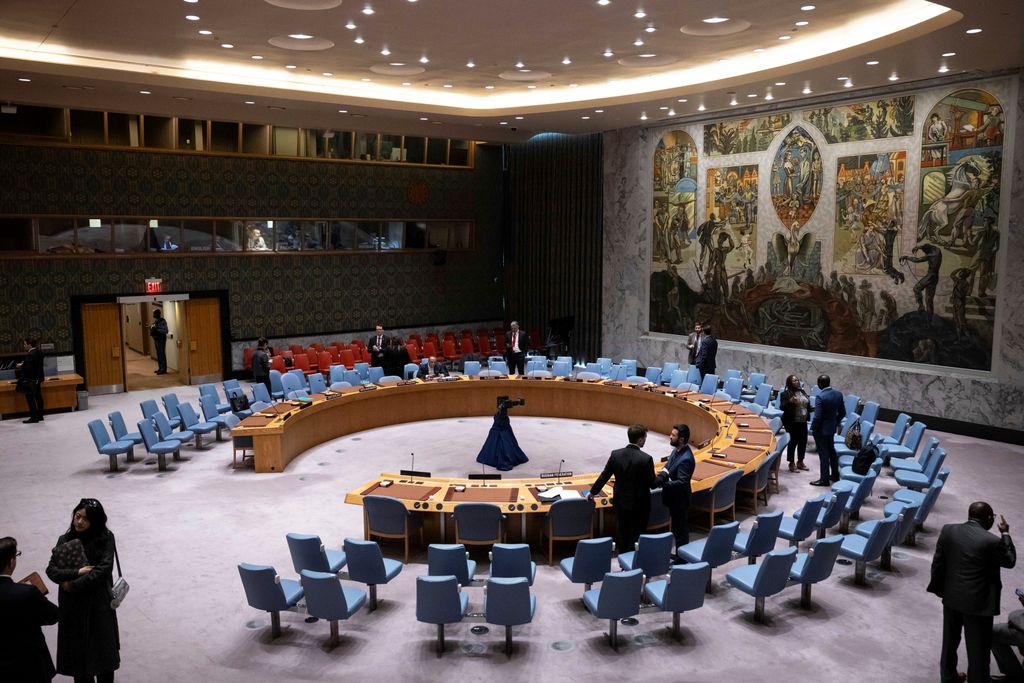
During a statement in Parliament last Friday, Prime Minister Persad-Bissessar said a parental responsibility framework would be among the key pieces of legislation her administration intends to introduce during the current parliamentary term. She said the legislation is intended to make parents or guardians more legally accountable for the behaviour and welfare of their children, particularly where children are involved in violence, bullying, gang activity, or persistent misconduct.
Persad-Bissessar said legislation to regulate social media use for children under age 12 will also be on Government’s agenda.
Stewart said Prime Minister Kamla Persad-Bissessar’s announcement of the Government’s legislative programme during the opening of the Second Session of Parliament signalled that several issues affecting parents and children would soon come to the forefront.
He described the proposed changes to the Education Act as overdue but necessary.
Stewart also said the proposed social media restrictions for children were not unprecedented.
“And this is nothing new. In Australia and in France, those laws are already in place because parents, when you are in your bedroom, and your 11-year-old is in his or her bedroom under the blanket with his or her device, you would be amazed to know what is taking place at 1 am, 2 am, 3 am,” Stewart said.
He also called on the Government to address the longstanding issue of safety and security for schoolchildren and commuters who depend on maxi taxis. Referring to Persad-Bissessar’s intention to meet with representatives of the maxi taxi industry, following their protest action last week, Stewart urged the ministers of transport and education to participate in those discussions before another strike occurs without warning.
Addressing school violence and the presence of police officers in schools, Stewart said interventions must extend beyond school compounds. He said stakeholders needed to get into homes and communities, describing schools as a microcosm of what is taking place in society.
Stewart urged parents to pay close attention to the legislative discussions ahead, adding that the NPTA intended to make its views known throughout the parliamentary term.
Feature speaker, Justice Gillian Lucky, also emphasised the critical role parents, teachers and communities play in the development and welfare of children.
Lucky said education had long been recognised as a pillar of national development, noting that successive governments had acknowledged its importance. She recalled that Persad-Bissessar, during her tenure as education minister, had promoted the principle that no child should be left behind. She described parent-teacher associations as vital partners in the education system.
“While education is the key to unlocking the door, the NPTA is guarding the door as the stewards,” Lucky said, adding that without parent-teacher associations, the education system would struggle to function effectively.
Drawing on historical records, Lucky said collaboration between teachers and parents had been recognised for decades. She referred to actions taken in 1960 by then education minister John Donaldson, and noted that legislation enacted in 1976 recognised the role of stakeholders, including religious bodies, in education.
Lucky said preserving the visibility and relevance of PTAs remained important as schools confront modern challenges such as school violence, bullying and the influence of social media. She stressed that responsibility for children’s welfare extends beyond schools and involves the wider community.
While acknowledging concerns about student behaviour, bullying and other disciplinary issues, Lucky said positive examples also deserved recognition.
“But do we take the time to highlight the parents, guardians, children and teachers who are getting it right? How will we help those at risk, presenting problems before they exist? And that is where we must all be on board, focused on our duty with one accord, enabling parents, guardians and teachers together to provide all of our children with a brilliant future.”
Lucky also called for stronger collaboration among schools, particularly those facing unequal access to resources and opportunities. Recalling her mother’s involvement in parent advocacy groups, Lucky said some schools in remote areas continue to struggle while others are better positioned. She suggested schools with greater resources could partner with those facing challenges.
“We need to start twinning, people. If we are going to move together, if we are leaving nobody behind, put them on your back and run with them,” she said.
Lucky also encouraged stakeholders to engage young people on platforms they use regularly, including social media.
Related News
No intelligence of gang alliance, law enforcement sources say

Experts call for inclusive approach to Caribbean tourism
WHO chief reports 5 Ebola recoveries as a new treatment center opens in eastern Congo