
Climate Change Editor
Trinidad and Tobago’s resilience to disasters depends not only on stronger infrastructure but also on changing the behaviours that continue to make communities vulnerable to flooding and other hazards.
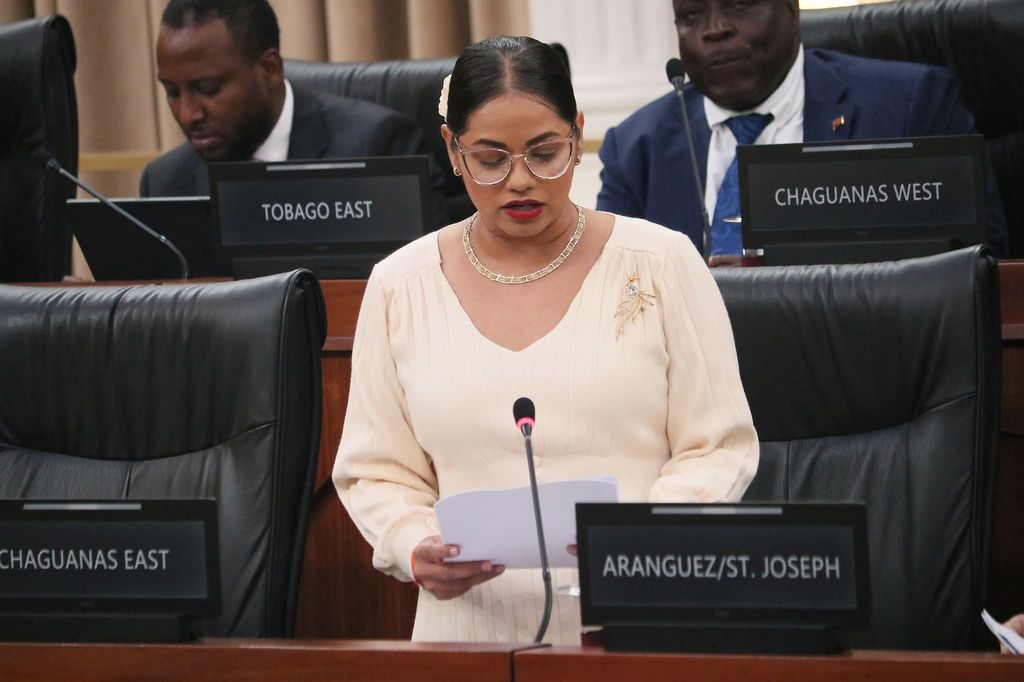
That was the key message from Minister of Works and Infrastructure Jearlean John, as she delivered remarks at the Disaster Risk Management Conference 2026 at the Hyatt Regency, Port-of-Spain, on Monday.
Speaking under the conference theme “Resilience 360: Bridging Knowledge and Action,” John said resilience must move beyond policy discussions and become visible in the country’s roads, bridges, drainage systems and coastal defences.
“Resilience cannot remain in policy papers, technical reports or academic discussions,” she said.
“It must be translated into roads that remain passable during floods, bridges that continue to carry communities through extreme events, drainage systems that are maintained before disaster strikes and coastal works that protect rather than displace risk.”
But while highlighting the importance of infrastructure, John delivered a blunt assessment of one of the country’s biggest contributors to disaster risk: human behaviour.
“A significant contributor to flood-related disasters in Trinidad and Tobago, is us. Our habits, our choices, the culture we have decided to embrace,” she said.
She pointed to indiscriminate dumping, littering and poor maintenance practices that clog waterways and drainage networks, worsening flood impacts during heavy rainfall events.
Using the Grand Bazaar interchange in Valsayn as an example, John said public complaints often focus on flooding at the busy east-west corridor, but less attention is paid to what causes drainage systems to fail.
“People complain about flooding at Grand Bazaar, and rightly so. But after every major rain event, the drainage infrastructure is overwhelmed not solely by water volume, but by the volume of solid waste people have introduced into the system,” she said.
The minister said discarded appliances, plastic bottles, tyres and other debris routinely obstruct drains and watercourses, reducing the effectiveness of infrastructure designed to manage stormwater during intense rainfall.
For John, this reinforces a broader challenge facing the country: the notion that resilience is not solely the responsibility of government agencies but requires collective action from citizens and communities.
“These are the practical things,” she said.
“Resilience is not only about big infrastructure and big words. It’s about the little things we do, or refrain from doing, that help us mitigate against disaster.”
John said the Government is seeking to change how infrastructure is planned and managed through the Ministry’s Revitalisation Blueprint, which promotes proactive maintenance, climate-resilient design and long-term asset management.
She noted that for decades, public infrastructure management largely focused on responding to damage after disasters occurred.
“In earlier decades, the traditional approach to public works was understandably reactive. We repaired what was damaged. We responded after the floodwater receded. We rebuilt after a bridge failed. That approach belongs to an earlier age.”
The minister also highlighted the growing economic consequences of climate and disaster risks, recalling a recent case involving a business owner who was denied flood insurance because of repeated flooding in the area. According to John, the insurer requested evidence of drainage improvements and dredging works before reconsidering coverage.
The incident, she said, illustrates how resilience has become an economic issue affecting investment, business continuity and the cost of living.
“Disaster risk reduction is built on a culture of prevention,” John said.
She has called for “civilisational recalibration,” where lasting resilience will require a shift in public attitudes and everyday practices long before the next disaster strikes.