
RADHICA DE SILVA
Senior Multimedia Reporter
radhi[email protected]
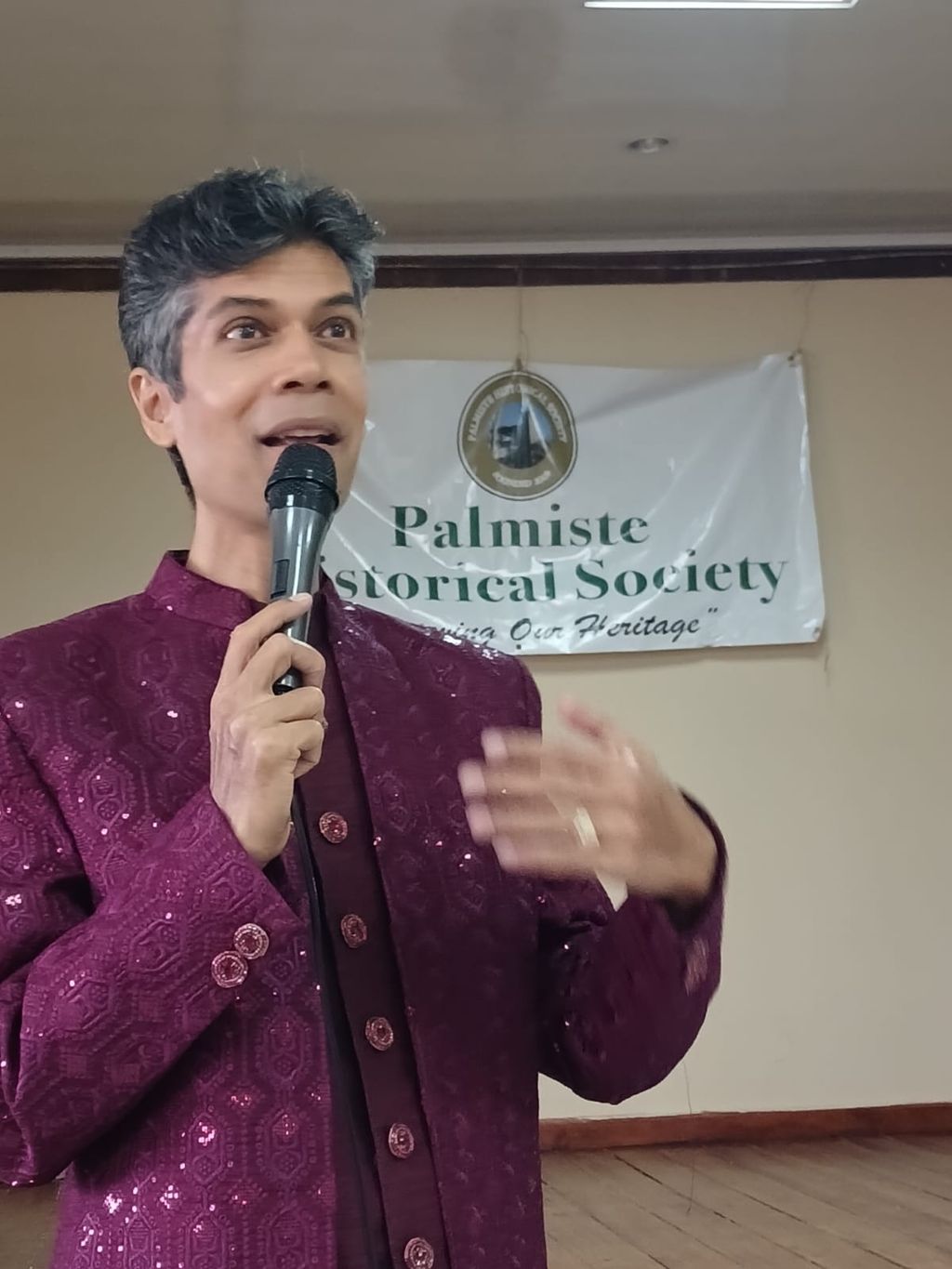
University of the West Indies lecturer and historian Dr Jerome Teelucksingh says Trinidad and Tobago’s strong tradition of religious tolerance was forged through the shared struggles, suffering and resistance of enslaved Africans and indentured Indians under colonial rule.
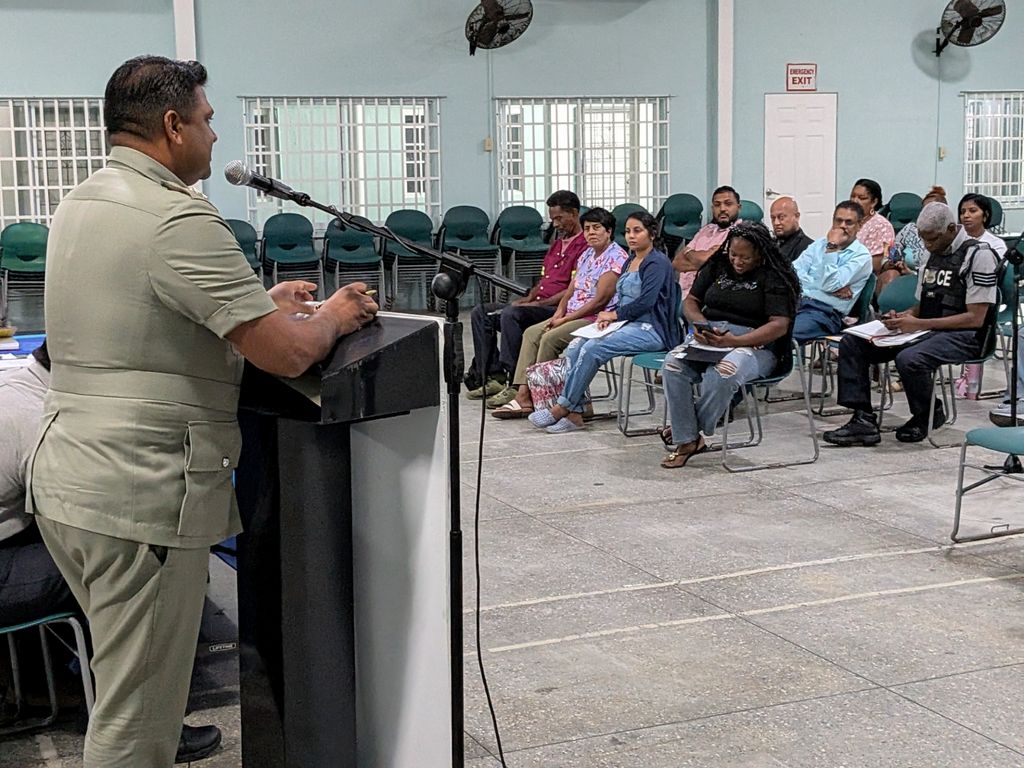
Speaking at the Palmiste Historical Society’s Indian Arrival Day lecture at the Rambert Community Centre on Monday, Dr Teelucksingh said the Caribbean’s harmony among Hindus, Muslims and Christians remains one of the region’s most remarkable achievements.
“Since indentureship, the Hindus, Muslims and Christians in the Caribbean have lived in harmony. This high level of tolerance is a remarkable feature of the region that must be acknowledged,” he said.
Addressing an audience that included Palmiste Historical Society chairman Apostle Terrence Honore and former House Speaker Nizam Mohammed, Dr Teelucksingh reflected on the painful legacies of slavery, indentureship and colonial exploitation that shaped modern Trinidad and Tobago into a multicultural society.
“One of the curses of colonialism and imperialism was a constant need for labour and the greed for wealth,” he said.
Dr Teelucksingh traced the origins of Indian indentureship to the abolition of African slavery in the British colonies on August 1, 1838, when plantation owners faced severe labour shortages after formerly enslaved Africans left the sugar estates.
He explained that early labour experiments involving European and Chinese immigrants failed because many workers could not endure the harsh plantation conditions or tropical diseases.
Colonial authorities then turned to India.
Between 1845 and 1917, approximately 147,900 Indians were brought to Trinidad under the indentureship system, while more than one million Indians were sent across the British Empire to colonies including Guyana, Jamaica, Fiji, Mauritius and South Africa.
Teelucksingh said many endured horrific abuse during the journey across the kala pani, or “dark waters.”
“Whilst on the trip, an overwhelming majority of the female passengers endured sexual assaults and verbal abuse,” he said.
Yet amid the hardship, bonds of unity emerged among the immigrants.
“Some of you might have heard the expression jahaji bhai — the brotherhood of the boat. Friendships developed on the boats and later plantations that were unbreakable,” he said.
Dr Teelucksingh described the difficult conditions Indians faced upon arrival in Trinidad, living in overcrowded barracks or mud huts without proper sanitation, clean drinking water or medical care.
“No wonder many of them were ill with anaemia, malaria and hookworm,” he said.
Despite the hardship, indentured labourers preserved elements of their religion and culture, celebrating Divali with handmade deyas and observing Ramadan while working long hours on sugar estates.
“During indentureship, there was no electricity and in the night they used flambeaux for light. At the end of a hard day’s work they would pray, tell stories and sing religious songs whilst the women prepared meals,” he said.
Dr Teelucksingh also highlighted resistance among indentured workers, including riots, plantation fires, slowdowns and the 1884 Hosay Massacre, which he described as acts of defiance against exploitation and colonial control.
“That was exploitation,” he said of labourers working up to 15 and 16 hours a day on plantations.
He noted that anti-indenture activism, including efforts by Indian independence leader Mohandas Gandhi, contributed to the eventual collapse of the system.
The historian also reflected on the important role education played in social mobility for Indo-Trinidadians, particularly through Presbyterian missionary schools established by Canadian missionaries.
“These semi-literate and illiterate Indians knew the value of education,” he said. “They ensured their children would receive both a religious and secular education.”
He acknowledged criticism surrounding missionary conversion efforts but argued that the schools significantly improved educational opportunities in rural communities.
“If the Canadian mission never set foot in Trinidad, what would be the state of education in the 20th century?” he asked.
Turning to South Trinidad’s own history, Teelucksingh praised the Palmiste Historical Society for preserving remnants of the old Palmiste Estate, including its chimney, which now stands as a landmark.
He recounted the estate’s links to both slavery and indentureship, noting that enslaved Africans once worked the lands before Indian labourers later occupied estate barracks.
“There were once cottages on the Philippine Estate where African slaves worked… later barracks at Canaan Estate where Indians lived,” he said.
Dr Teelucksingh urged citizens to preserve the country’s estate history and criticised the closure of the Sugar Archives Centre and the Sevilla Sugar Museum.
“It’s a pity that there are no voices begging for it to be reopened,” he said.
He challenged the Palmiste Historical Society to advocate for the reopening of both institutions.
In closing, Dr Teelucksingh called for greater recognition of indentured labourers in regional discussions about reparations and historical injustice.
“We must never forget these victims of indentureship who suffered at the hands of the Europeans,” he said.
“Never, never forget the shared legacies of slavery and indentureship — a legacy of resistance, resilience and perseverance,” he added.