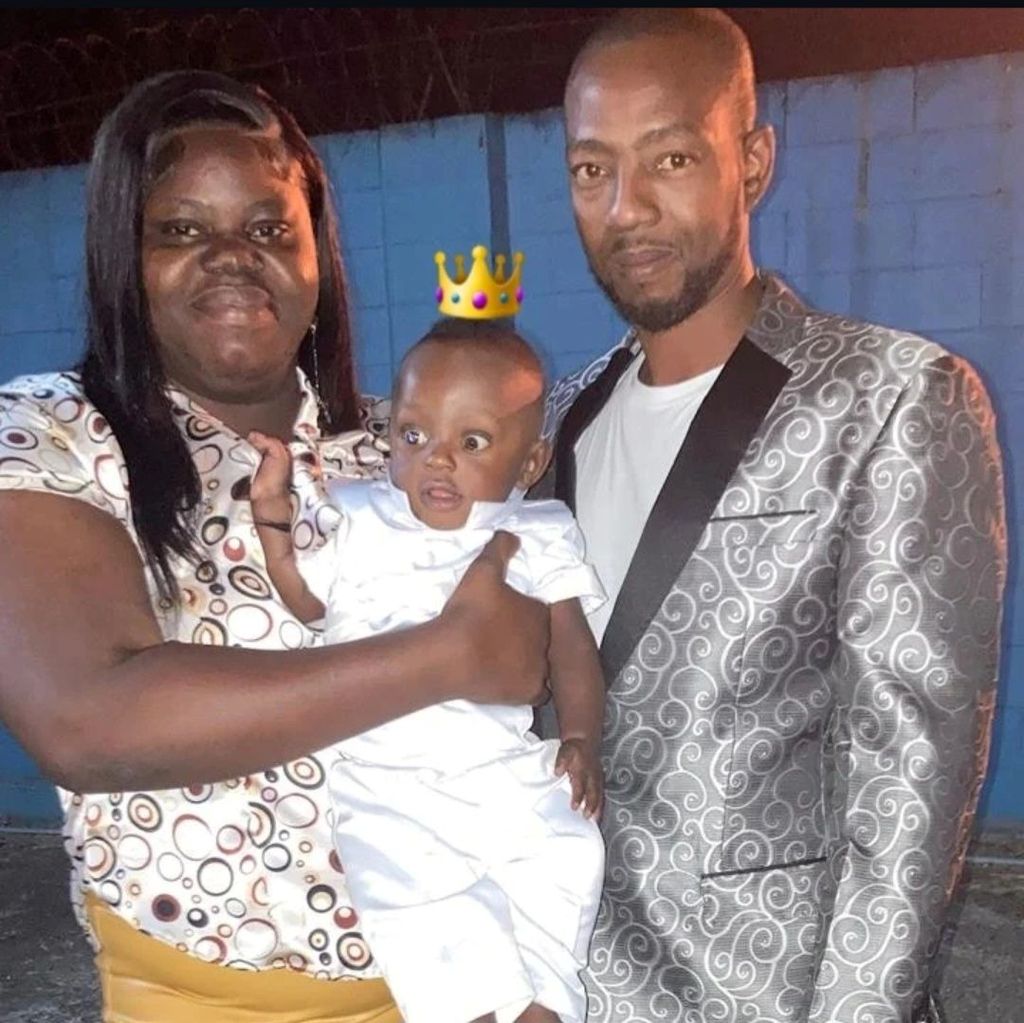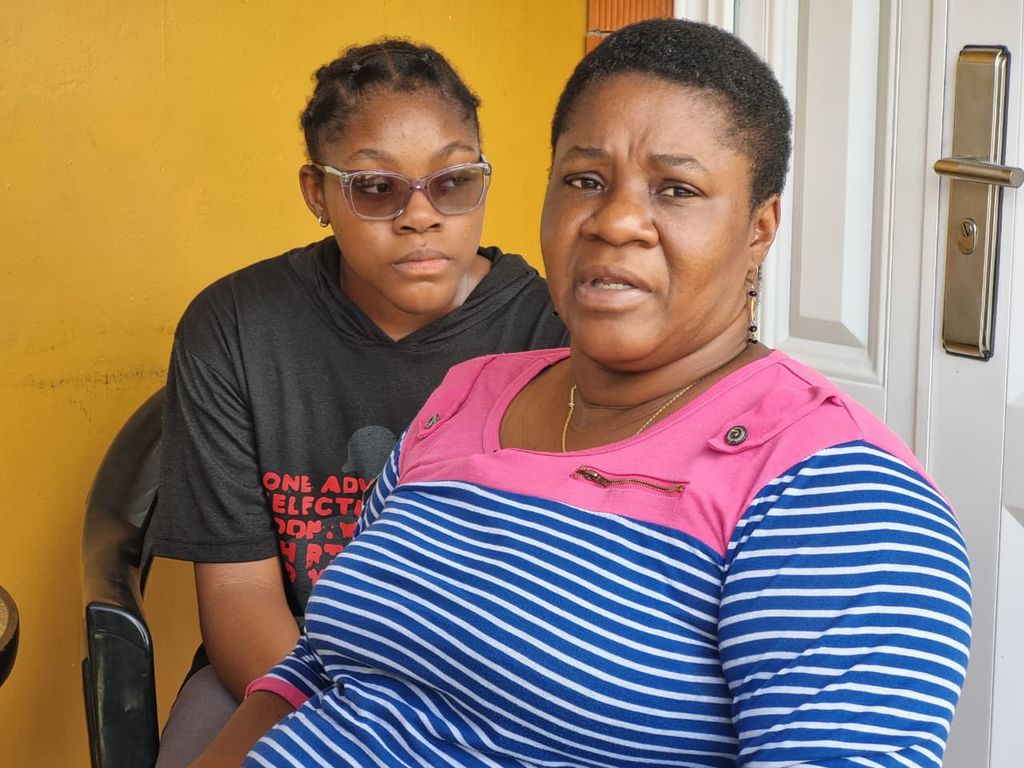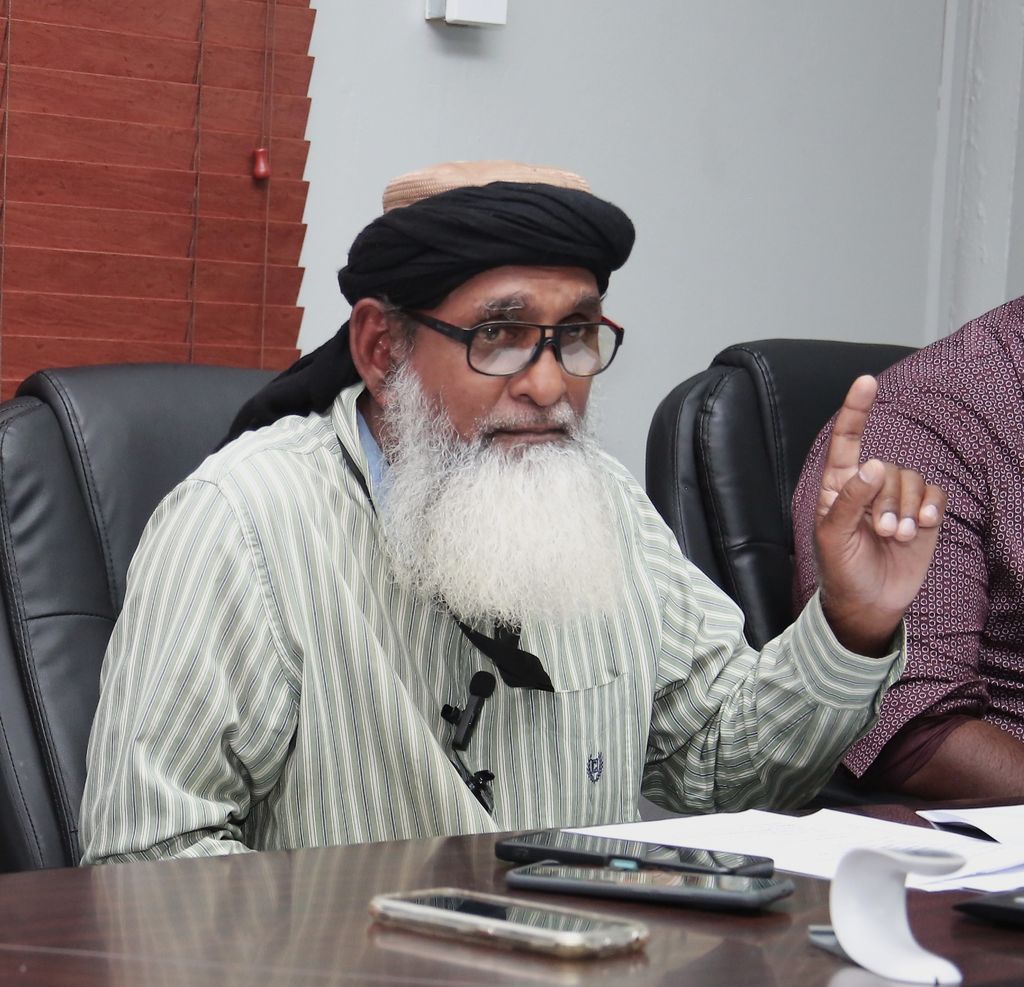

The First Wave Movement has condemned the criminal charges laid against Kaia Sealy, describing the prosecution as “a travesty of justice” and calling for the immediate withdrawal of the charges.
In a statement, the organisation’s founder and leader, Umar Abdullah, rejected legal arguments made in a recent article discussing the case, saying the reasoning advanced was “legally unsound, factually inconsistent and dangerously misleading to the public.”
The movement argued that attempts to hold Sealy responsible for the death of Samaroo were based on a “distortion of criminal liability.”
Referencing constitutional protections under Section 4 of the Constitution, the group said liability for the shooting could not be transferred to a victim of alleged state violence.
“The criminal act was committed by police officers who discharged firearms,” the statement said. “Sealy, paralysed by police bullets, cannot be legally construed as the cause of Samaroo’s death.”
The movement also cited the legal doctrine of novus actus interveniens, arguing that the police’s alleged disproportionate use of force broke any causal chain that could connect Sealy to the fatal shooting.
It referenced the 1995 UK case R v Clegg, in which soldiers were held accountable for unjustified shootings, saying the principle established that state agents could not escape liability by shifting blame to civilians.
The statement further accused the Office of the Director of Public Prosecutions (DPP) of undermining the presumption of innocence by pursuing charges against Sealy instead of the officers involved in the shooting.
The group also raised concerns about the evidence in the case, claiming CCTV footage showed Samaroo with his hands outside the vehicle in surrender and alleging there was no evidence Sealy fired at police.
It questioned the absence of a disclosed firearm or gunpowder residue report and criticised the delay in producing forensic findings, saying the four-month wait raised suspicions and demanded transparency.
The movement also argued that the officers who discharged firearms should instead face charges under Section 12 of the Offences Against the Person Act.
It further alleged breaches of international standards governing the use of force by law enforcement, citing the United Nations Basic Principles on the Use of Firearms by Law Enforcement Officials, which restrict lethal force to situations involving imminent threats.
Among several questions raised, the organisation asked why Sealy had been charged instead of the officers who fired the shots, why the forensic report had not been made public, and whether consultations between the DPP and police compromised prosecutorial independence.
The movement also criticised public comments allegedly made by the Commissioner of Police, claiming they prejudiced the matter.
The First Wave Movement is now calling for:
• ↓the immediate withdrawal of charges against Sealy;
• ↓an independent forensic audit by external experts;
• ↓the public release of forensic reports and exhibits;
• ↓criminal charges against the officers involved;
• ↓a parliamentary inquiry into prosecutorial independence; and
• ↓compensation for both Samaroo’s family and Sealy.
“The law is clear: victims of police violence cannot be scapegoated to shield officers from accountability,” the statement said.
The organisation urged citizens, civil society groups and Parliament to reject what it described as “a dangerous precedent” that undermines constitutional rights, international standards and public trust in the justice system.