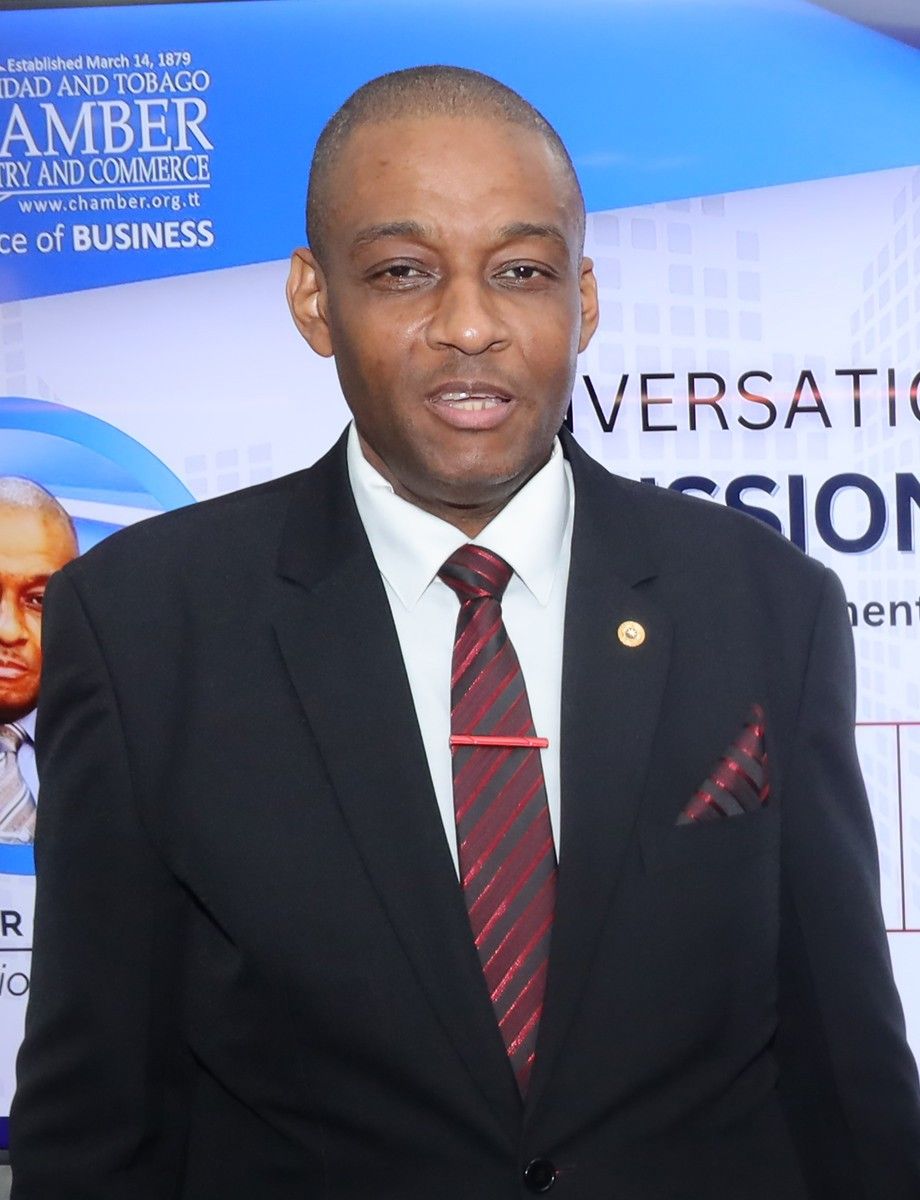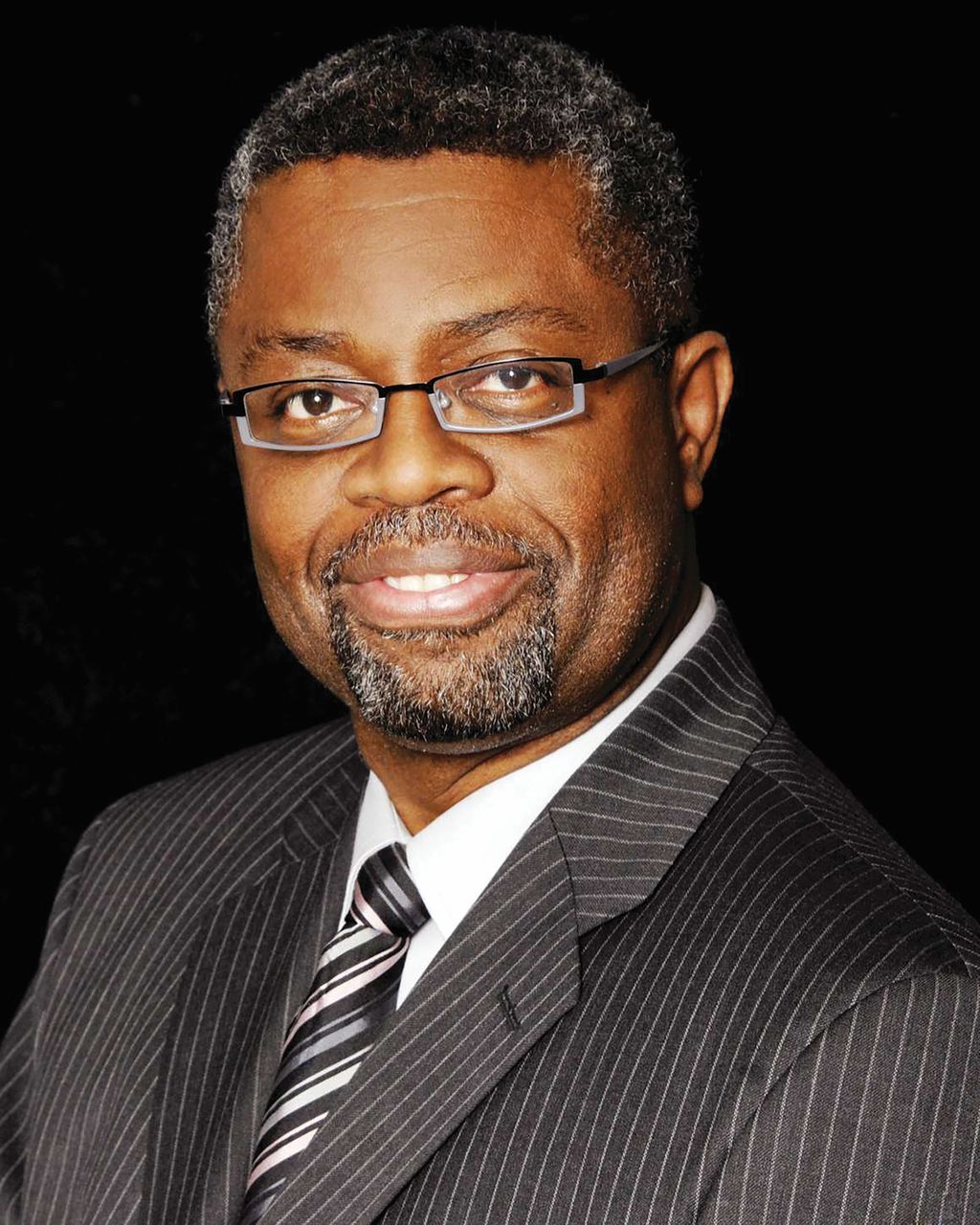

International relations expert, Professor Andy Knight, is warning that Prime Minister Kamla Persad-Bissessar may be “hurting” Trinidad and Tobago’s long-term diplomatic interests by aligning too closely with Donald Trump, as he cautioned that the US leader could soon become a “lame duck” president.
Speaking on a Facebook Live interview with Movement for Social Justice (MSJ) leader David Abdulah, Knight said the Prime Minister must realise that United States presidents are inherently temporary and politically constrained.
He said, “And I think one of the failures right now of the current prime minister of Trinidad and Tobago is that she has hitched her wagon too closely to President Trump, and not only to President Trump, but to the MAGA element of President Trump, the right-wing element of President Trump.”
“I think they have to realise that he’s not going to be there forever,” Knight added. “Presidents don’t last forever. And in any case, by the midterm elections, the president of the United States could be a lame duck president too.”
The 2026 US midterm elections are scheduled for November 3, 2026. Recent polls in the US have given Trump between a 34%-37% approval rating.
In political terms, a “lame duck” is an elected official who is still in office but whose successor has already been chosen, or who is serving the final stretch of a term with no possibility of reelection.
Knight argued that basing foreign policy on a single political figure or administration could leave T&T exposed if there is a change in government in Washington.
“So, by hitching your wagon to the president, you’re really, really hurting yourself in the long term,” Knight said.
“Because there could be a change of government in the next election in the US, and you might be on very bad terms with the United States because of what you’re doing right now.”
Knight also underscored that Trinidad and Tobago’s alignment with US security policy has already generated unease within Caricom.
He pointed to reports that Venezuela had suspended aspects of its energy cooperation with T&T, linking the move to tensions driven in part by the country’s proximity to US strategic interests.
According to Knight, such developments underscore the risks of a narrowly focused foreign policy approach.
“These kinds of alignments may be short-term,” he said.
“You want to be in a position where you’re not just aligning to one particular political party in the United States, but you have to prepare yourself for when that party goes out of office, and a new party comes in.”
Knight said Government’s approach may be undermining regional cohesion, at a time when stronger Caricom integration could better serve T&T’s long-term interests.
“The longer-term benefit would be to try to align your national interests with the other Caribbean countries,” he said, warning that strained regional ties could carry economic consequences.
“What happens if the countries in the region decide to cut off any sort of relationship with Trinidad and Tobago? That puts Trinidad in a difficult situation.”
He also highlighted the unpredictability of US foreign policy under Trump, suggesting that relying on personal or political alignment carries risks.
“You have no guarantee that President Trump is going to continue to maintain that kind of alignment with Trinidad and Tobago. He can turn on a dime when it comes to people that he’s supported in the past,” Knight said.
Knight underscored the economic stakes, noting the deep trade interdependence between Caricom and the United States, which he said makes strategic balance even more essential.