
The Caribbean Public Health Agency (CARPHA) is reminding its member states of the importance of the Integrated Vector Management approach in addressing the resurgence of the Chikungunya Virus and other arboviral diseases such as Dengue and Zika.
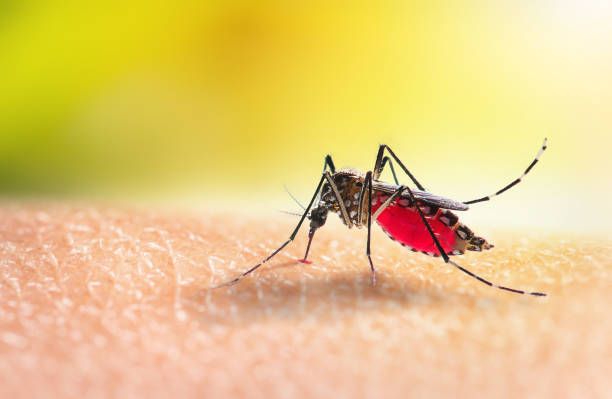
In a media release issued today, the agency noted that the Chikungunya Virus spreads through the bite of an infected Aedes aegypti mosquito. It described source reduction as the cornerstone of prevention and control against these mosquitoes, but said an Integrated Vector Management approach remains necessary—especially during outbreaks when authorities utilise chemical agents such as spraying and fogging to target adult mosquitoes and decrease the likelihood of disease transmission.
CARPHA said a core principle of Integrated Vector Management is Insecticide Resistance Testing studies. Following the acquisition and commissioning of CARPHA’s new Mobile Insectary Facility in October 2025, the agency reports it can now provide Insecticide Resistance Testing, including molecular testing, to member states.
Since operations began, CARPHA has completed testing for two member states using methodologies approved by the World Health Organisation (WHO) and is currently testing samples from four others. The agency said it intends to bring two additional member states on stream in 2026.
CARPHA said conducting Insecticide Resistance Testing offers several benefits to Member States. It explained that the results allow vector control personnel to identify the appropriate chemical agents that will have the desired effect on mosquito populations and guide the selection, procurement and utilisation of insecticides. Without these tests, CARPHA points out, it would be difficult to determine with certainty whether the chemicals benefit mosquito control programmes.
CARPHA Executive Director Dr Lisa Indar outlined the agency’s ongoing support to Member States.
“CARPHA has conducted a series of training workshops to build regional capacity to respond to the threat of vector-borne diseases (VBD). The latest of these were held in August, September, and December in 2025 and focused on IVM, IRT, GIS (geographic information system(s), VBD Early Warning Systems, and new methods and technologies in vector control,” Dr Indar said.
“CARPHA is working with CMS to develop a Regional Integrated Early Warning System as well as to improve surveillance capacity by implementing innovative tools,” she added.
The agency said it continues to collaborate with regional and international partners to strengthen preparedness and response to vector-borne and other communicable diseases. It also pointed to the work of the Caribbean Vector-borne Diseases Network, CariVecNet, which brings Member States together to share timely information to guide local and regional responses.
CARPHA encouraged member states to adopt a multisectoral Integrated Vector Management approach that focuses on community involvement in source reduction, health promotion and personal protective measures. It said heightened surveillance and a strong relationship between epidemiological surveillance and vector control response remain important in mitigating potential outbreaks.
The agency also encouraged families to follow personal protection measures to reduce exposure to mosquito-borne diseases, including Dengue, Chikungunya and Zika.
CARPHA advises covering exposed skin with long-sleeved clothing, trousers and hats; using insect repellent containing DEET, Picaridin, IR 3535 and oil of lemon eucalyptus; sleeping under mosquito nets; and installing screens on doors and windows.
Related News

Knives, ice picks left in maxi taxis before entering Port of Spain

Trump aims to hold the first meeting of his new Board of Peace in Washington this month

Guaico man denied bail for robbery, ammo possession