
CHESTER SAMBRANO
Lead Editor – Newsgathering
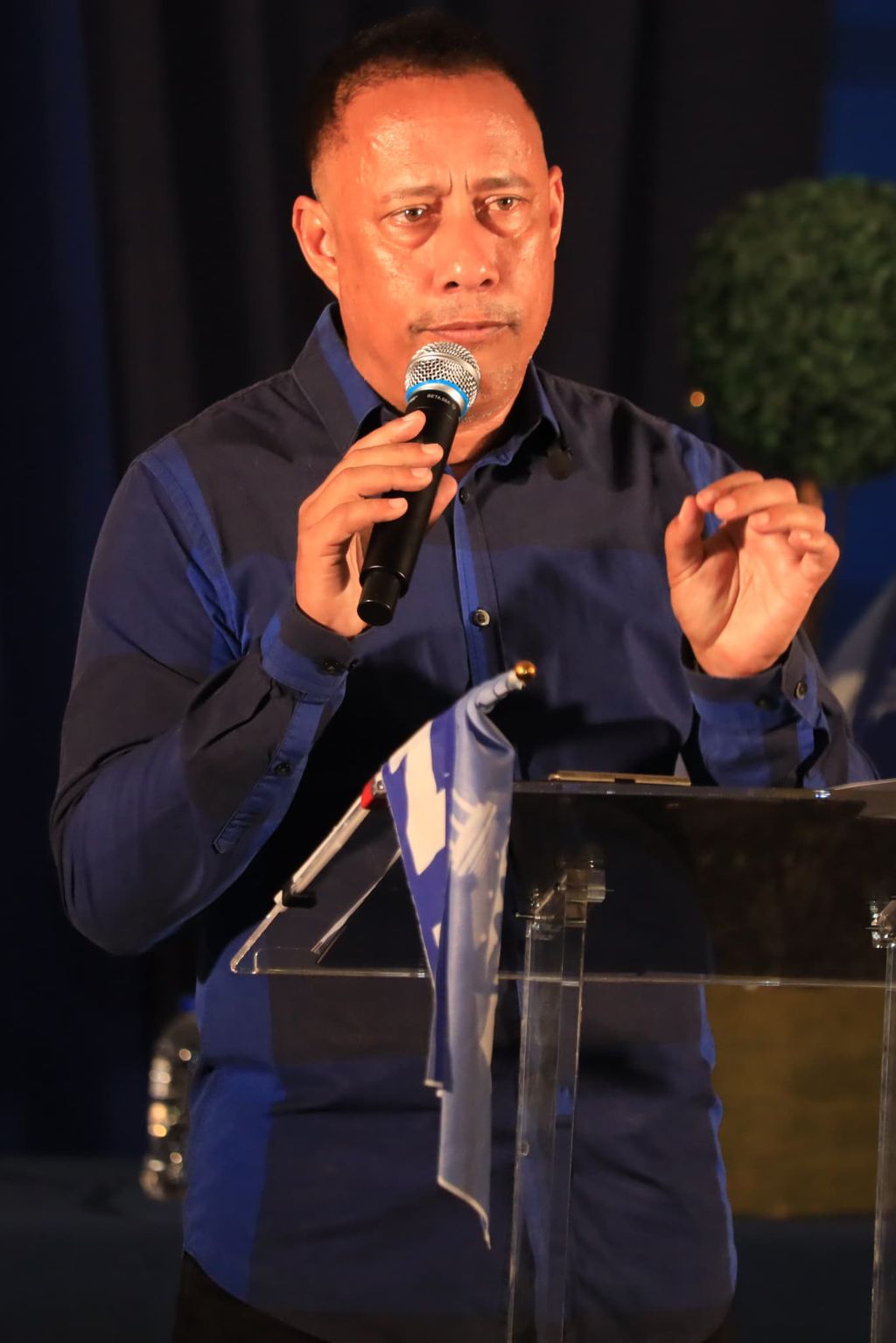
Former national security minister Gary Griffith has criticised Homeland Security Minister Roger Alexander, accusing him of prioritising the Police Service over the wider public and making statements that are “bordering on being dangerous and frightful”.
In a media release, Griffith said Alexander’s recent comments have caused concern, particularly on the eve of Carnival, when citizens should focus on the cultural and economic benefits of the festival rather than politics and national security disputes.
Griffith pointed to what he described as a contradiction within the Government over the hosting of events in the western peninsula. He said Prime Minister Kamla Persad-Bissessar supported the decision to host events there—a position endorsed by Defence Minister Wayne Sturge—but which he said conflicted with Alexander’s stance.
He maintained that citizens, regardless of political affiliation, should support the Government to ensure its success, especially given Carnival’s economic and cultural importance. However, he argued that Alexander must recognise his expanded responsibilities as a minister.
Griffith said over the past three weeks Alexander made four controversial comments which he characterised as illogical, emotional and biased in favour of the Police. Drawing comparisons to his own tenure as security minister and later as Police Commissioner, Griffith said he defended officers when necessary but also took disciplinary action where officers breached Standing Orders or the law. He claimed such actions contributed to public confidence in the Trinidad and Tobago Police Service reaching almost 60 per cent.
On the issue of body cameras, Griffith said Alexander signalled they were not a priority, placing greater importance on armoured vehicles. He also rejected Alexander’s assertion that body camera footage could not be viewed by the public, describing that claim as incorrect.
Griffith further criticised Alexander’s reported proposal to criminalise citizens who record police officers on personal devices and publish the footage. He said such a measure would affect almost every citizen and argued that the minister made the comment without consultation with the National Security Council or Cabinet.
He also objected to Alexander’s comments on police investigating police, saying comparisons with bodies such as the TTUTA and LATT were misplaced. Griffith argued that allowing police alone to investigate police could create the perception of officers covering for one another and defended the authority of the Police Complaints Authority to investigate and lay charges where necessary.
Turning to traffic congestion during a recent fete in Chaguaramas, Griffith accused Alexander of making a “knee-jerk” response by blaming the decision to host events there rather than examining police traffic management. He said larger events had previously taken place in Chaguaramas without similar congestion.
Griffith alleged that police escort services for patrons, coupled with the removal of GPS monitoring on police vehicles, contributed to traffic issues. He again said Alexander made comments on the matter without consulting the National Security Council or Cabinet.
While acknowledging that political supporters may interpret his criticism along party lines, Griffith said even the Prime Minister’s position differed from Alexander’s and described her view as correct.
He concluded by urging Alexander to recognise that his role is to address the security concerns of all citizens, not solely to defend police officers.
Related News
Minister says SoE detainees may still face charges

Man held with firearm in Laventille
41 schools to close tomorrow over Carnival traffic concerns