Cuba says airlines can no longer refuel on the island as US blockade deepens energy crisis
 09 February 2026
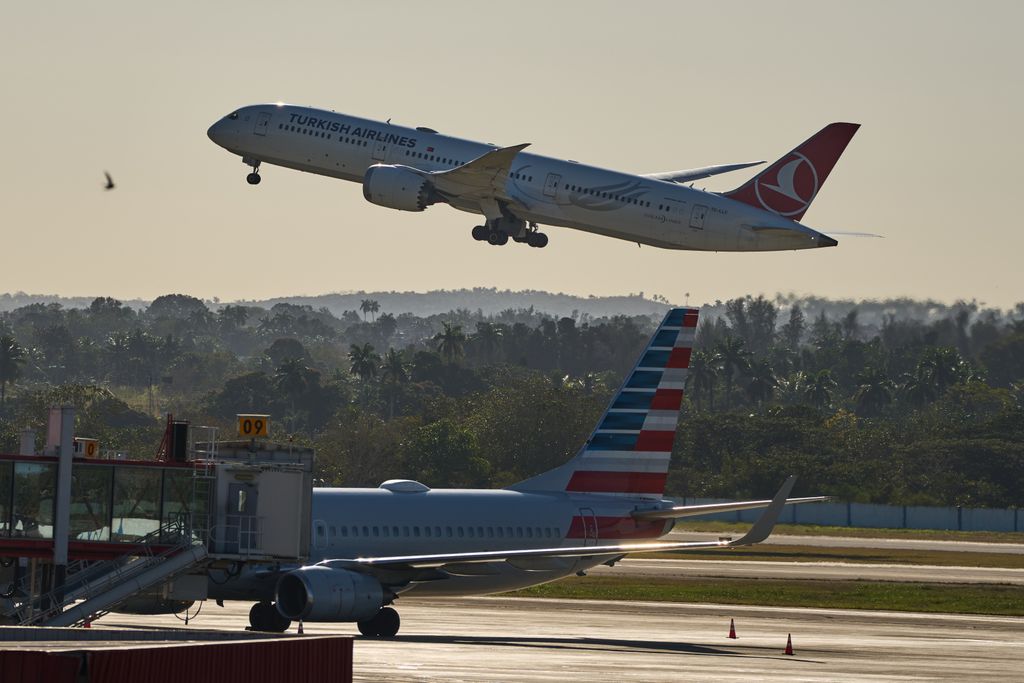

Cuban aviation officials have warned airlines that there isn’t enough fuel for airplanes to refuel on the island, the latest step in its moves to ration energy as the Trump administration cuts the Caribbean nation off from its fuel resources.
The government of Cuba published the notices to airlines and pilots on Sunday night, warning that jet fuel won’t be available at nine airports across the island, including José Martí International Airport in Havana, starting Tuesday and continuing until March 11.
Political pressure from U.S. President Donald Trump on Latin America has effectively severed Cuba’s access to its primary petroleum sources in Venezuela and Mexico.
In late January, Trump signed an executive order that would impose a tariff on any goods from countries that sell or provide oil to Cuba, a move that could further cripple an island plagued by a deepening energy crisis.
While the rationing may not disrupt shorter regional flights, it presents a significant challenge for long-haul routes from countries like Russia and Canada — a critical pillar of Cuba’s tourism economy.
On Monday, Air Canada announced it was suspending flights to the island, while other airlines announced delays and layovers in the Dominican Republic before flights continued to Havana.
One pilot added that while refuelling issues have occurred before, an official announcement of this scale is extraordinary even for an island accustomed to perpetual crisis. The last time such cuts occurred — more than a decade ago — aircraft bound for Europe refuelled in Nassau, Bahamas, the pilot recalled. Now, regional airlines could avoid problems by bringing extra fuel, while others could refuel in Cancun, Mexico, or in the Dominican Republic.
It remains unclear how long the notice will remain in effect and Cuban officials have made no public comments on the matter.
The fuel shortage deals another blow to a country that relies heavily on tourism, an industry that once generated $3 billion in annual revenue and served as a vital economic lifeline.
Cuban officials also announced Monday that bank hours have been reduced and cultural events suspended. In Havana, the public bus system has effectively ground to a halt, leaving residents stranded as endemic power outages and gruelling fuel lines reach a breaking point.
The energy emergency has forced the suspension of major events like the Havana International Book Fair this weekend and a restructuring of the national baseball season for greater efficiency. Some banks have cut operating hours, and fuel distribution companies said they would no longer sell gas in Cuban pesos — and that sales will be made in dollars and limited to 20 litres (5.28 gallons) per user.
The latest measures add to others announced Friday, including cuts to bus transportation and limited train departures.
On Thursday, Cuban President Miguel Díaz-Canel delivered a two-hour televised address, acknowledging the impact and warning that measures would be taken in the coming days.
U.S. sanctions against Cuba have been in place for more than six decades and have long stunted Cuba’s economy. But they reached new extremes after a U.S. military operation deposed former Venezuelan President Nicolás Maduro, and Trump began to take an even more confrontational tone toward Latin America.
For many Cubans, the crisis has translated into power outages lasting up to 10 hours, fuel shortages for vehicles, and a lack of food or medicine that many compare to the severe economic depression in the 1990s known as the Special Period that followed cuts in aid from what was then the Soviet Union. —HAVANA (AP)
_______
Story by ANDREA RODRÍGUEZ | Associated Press
Associated Press journalists Joshua Funk in Omaha, Nebraska and Megan Janetsky in Mexico City contributed to this report.