
The number of suspected Ebola cases in Democratic Republic of the Congo and Uganda has risen to 600, with 139 suspected deaths, the World Health Organization (WHO) has said.
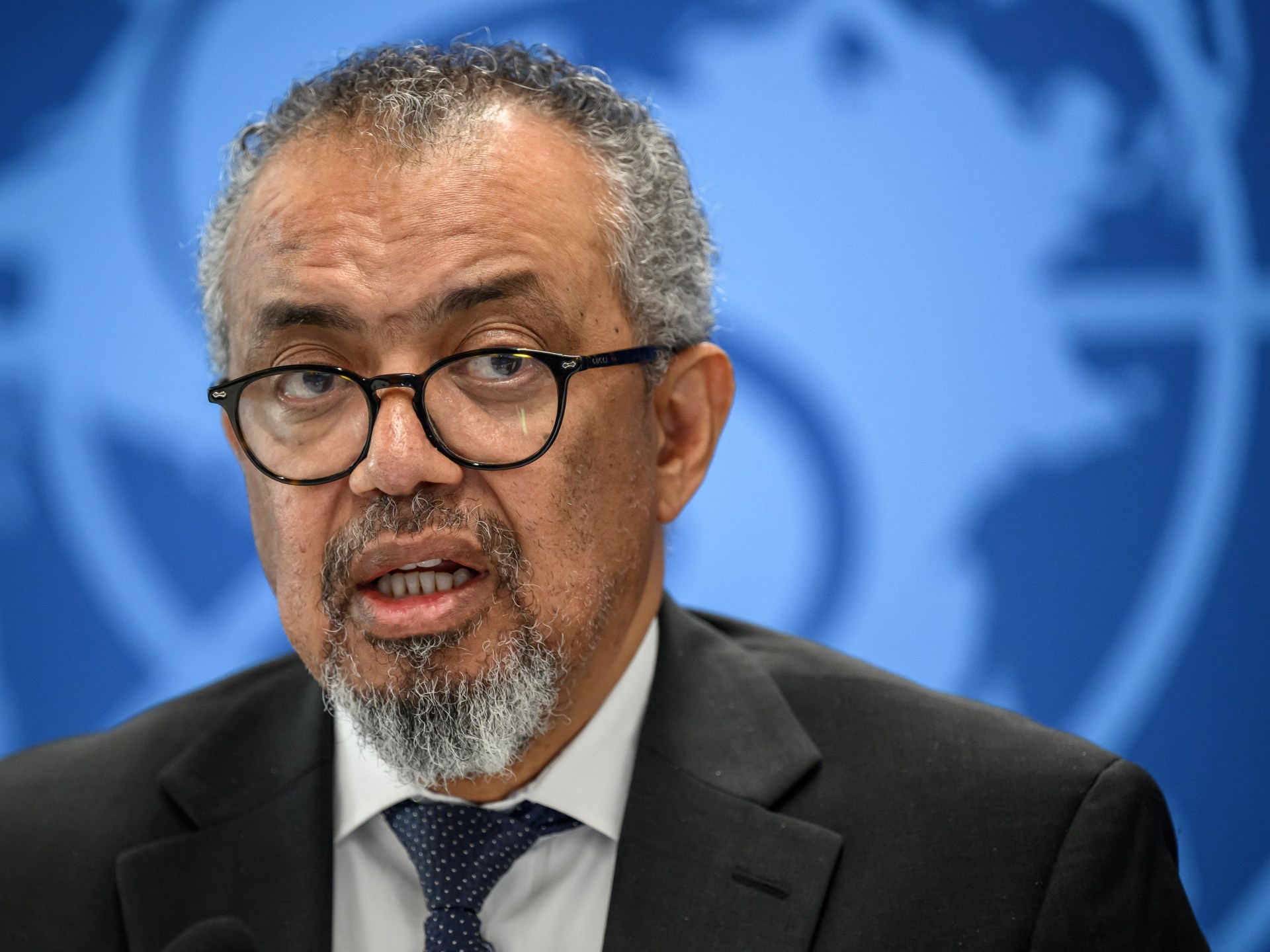
The WHO Emergency Committee met in Geneva on Wednesday, where Director-General Tedros Adhanom Ghebreyesus confirmed to reporters that the virus remains a public health emergency of international concern, but not a pandemic emergency.
- list 1 of 4US authorities say missionary who contracted Ebola en route to Germany
- list 2 of 4Fear grips eastern DR Congo amid deadly Ebola outbreak
- list 3 of 4US to let DR Congo football team in for World Cup despite Ebola restrictions
- list 4 of 4DRC prepares Ebola treatment centres as death toll rises
end of list
“The WHO assess the risk of the epidemic as high at the national and regional levels and low at the global level,” Tedros said.
Previous figures reported by DRC officials were an estimated 131 deaths from 513 suspected cases. The outbreak has arisen just five months after the DRC declared its previous epidemic over.
WHO emergencies chief Chikwe Ihekweazu said at the same news conference that the organisation’s “absolute priority now is to identify all the existing chains of transmission”.
“That will then enable us to really define the scale of the outbreak and be able to provide care,” Ihekweazu said.
Tedros first declared the emergency on Sunday and said he had done so without consulting other experts due to the urgency of the situation.
Health authorities say the outbreak is being fuelled by the Bundibugyo strain, a type of Ebola virus for which no vaccine or treatment exists.
Of the 600 suspected cases, the WHO said 51 had been confirmed in the DRC’s northern provinces of Ituri and North Kivu.
Uganda has also confirmed two cases in Kampala, including one death, from two people who travelled from the DRC to Uganda.
Advertisement
A medical missionary who contracted Ebola in the DRC is also being transported to Germany for treatment.
WHO experts said that they believe the outbreak began a few months ago, with the first suspected death reported on April 20.
After the first death, officials said, a suspected super-spreader event is believed to have taken place at either a funeral or a healthcare facility, though investigations are ongoing.
A European Union spokesperson, meanwhile, said on Wednesday the risk of an outbreak in Europe is “very low”.
“We know that diseases do not stop at the borders, and this is also the case of Ebola,” spokesperson Eva Hrncirova told reporters.
But “there is no indication” that Europeans need to do anything other than follow standard health advice, she said.
Related News
US suspends joint defence effort with Canada dating back to World War II
Spain’s former PM Zapatero faces corruption probe
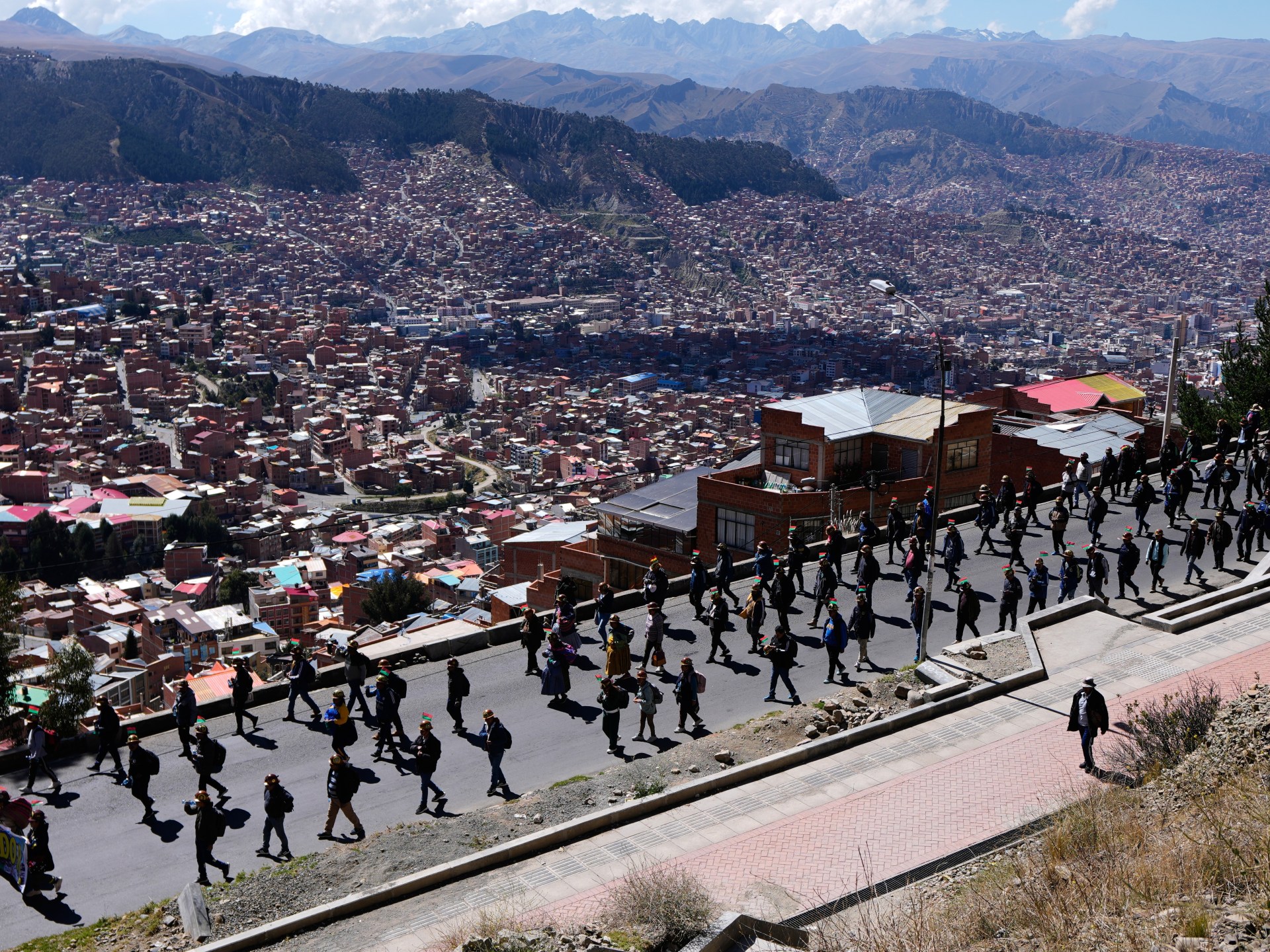
Thousands of protesters demand president’s resignation in Bolivia’s La Paz