‘We’re still behind’ in Congo’s Ebola outbreak even as testing improves, WHO says
 03 June 2026
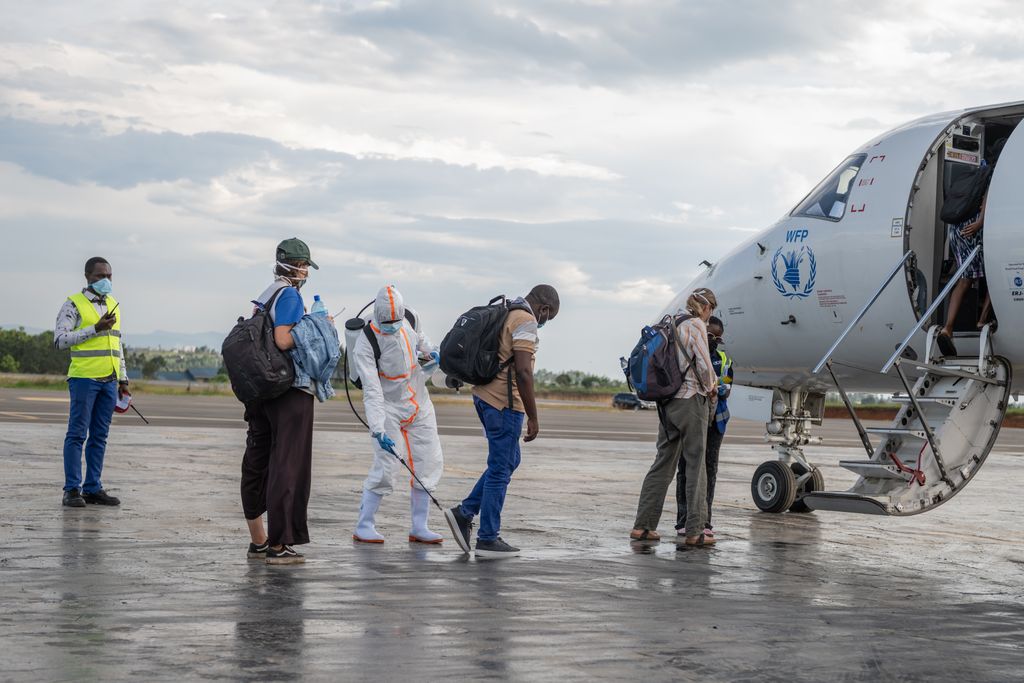

Congo’s Ebola outbreak “had a big head start, and we’re still behind,” World Health Organization Director-General Tedros Adhanom Ghebreyesus said Wednesday, but asserted that “we are catching up” as testing improves.
According to Congolese authorities, 344 cases including 60 deaths have been confirmed of the rare Bundibugyo type of Ebola since the outbreak was announced in mid-May in the eastern provinces of Ituri, North Kivu, and South Kivu. The number of suspected cases is down from 906 to 116.
Neighboring Uganda has 15 confirmed cases including one death, its health ministry said Tuesday.
The WHO chief avoided a question about a U.S. quarantine center in Kenya that has drawn protests, saying that “I think based on their risk assessment … they can do whatever they think is right for them.”
Experts have said the virus spread for weeks in one of the world’s most vulnerable regions before lab testing confirmed it. Resources, including protective gear, have been rushed to the outbreak for a type of Ebola with no approved medicine or vaccine.
At least five people have recovered from the virus, rare signs of hope.
“The true extent of the outbreak remains difficult to assess. Extremely limited testing capacity and difficulties accessing certain areas necessitate interpreting these figures with caution,” Doctors Without Borders, said Monday of case numbers.
Getting a potential vaccine to the region could take months.
“It’s difficult to have an effective vaccine that adheres to the scientific protocol available quickly,” Dr. Aruna Abedi, a Congolese epidemiologist who has managed previous outbreaks in the country, told The Associated Press.
While laboratory and diagnostic resources improve for the outbreak, Tedros said the tracing of people who had contact with infected people in Congo is still behind.
“Only about 45% of contacts have been followed up, and to get ahead of the outbreak we need to get that number up to above 90%,” he said. “Insecurity, displacement and mobile populations make contact tracing especially difficult.”
Armed groups active in the region include the Rwanda-backed M23 rebel group that seized key cities Goma and Bukavu over a year ago, and an Islamic State-allied group called the Allied Democratic Forces that operates in the border region between Congo and Uganda. Insecurity over the years has created a huge and vulnerable displaced population.
Wary residents have attacked health centres in the outbreak, at times demanding the bodies of loved ones. Health workers also have been battling mistaken beliefs among some residents that Ebola isn’t real, which has kept some from seeking care. (AP)
_________
Story by OPE ADETAYO and GEIR MOULSON | Associated Press
Geir Moulson reported from Berlin. Jean Yves Kamale in Kinshasa contributed.
Related News
Iran stops talking to mediators over Israel fighting Hezbollah in Lebanon, Iranian reports...
Police await ‘critical’ info in fatal jet ski probe
Investigators probing Joshua Samaroo’s killing meet with DPP