
DAREECE POLO
Senior Reporter
dareece.po[email protected]
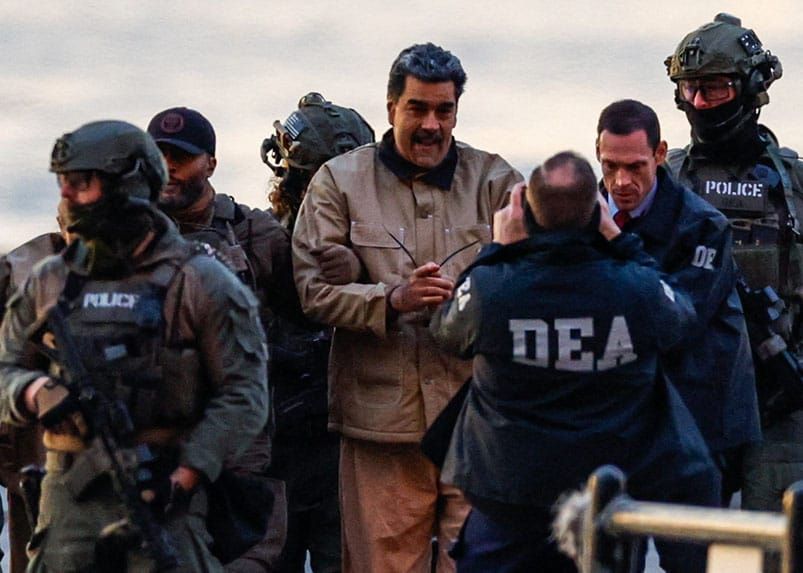
Trinidad and Tobago has again signalled its support for the United States following a special meeting of the Permanent Council of the Organisation of American States (OAS), as regional tensions intensify over the arrest of Venezuelan President Nicolás Maduro.
The OAS convened at its Washington headquarters amid growing concern about the implications of the U.S. operation, which has raised questions about sovereignty, international law and regional stability. Representatives from across the hemisphere used the forum to outline sharply divergent positions on the unfolding crisis.
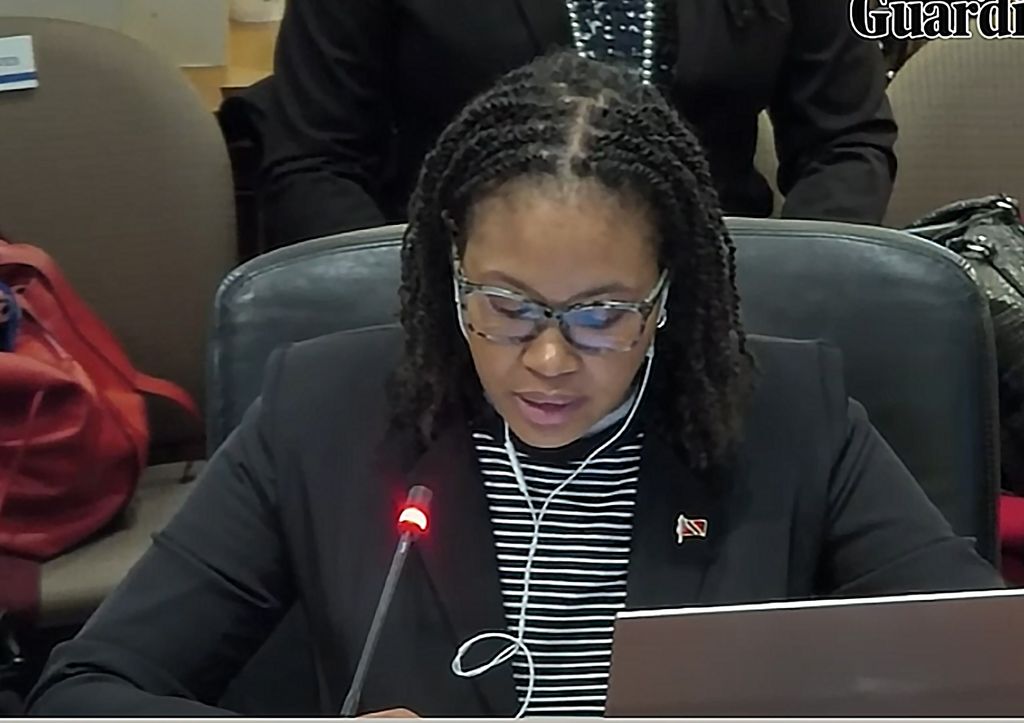
Speaking on behalf of Trinidad and Tobago, interim OAS representative Saschele Griffith said the country continues to value its longstanding relationships with both Venezuela and the United States, while supporting Washington’s stated efforts to combat transnational organised crime.
“Trinidad and Tobago continues to recognise the importance of collective efforts aimed at addressing the threat posed by transnational organised crime,” Griffith said. “It is against this backdrop that we reiterate our support for the efforts led by the United States toward disrupting and dismantling transnational criminal networks that have been recognised here at the OAS and across the hemisphere as forces of instability and insecurity.”
Griffith also underscored Trinidad and Tobago’s interest in maintaining constructive relations with Caracas, despite the deteriorating diplomatic climate.
“As a close neighbour, our country remains deeply invested in regional stability,” she said. “The delegation of Trinidad and Tobago underscores its longstanding relationship with both the United States and Venezuela and stands ready to work collaboratively with all partners who share the aspiration for a safer, more prosperous and stable Americas.”
Similar sentiments were expressed by Trinidad and Tobago’s Permanent Representative to the United Nations, Dr Neil Parsan, during an emergency meeting of the UN Security Council on Monday.
Meanwhile, OAS Secretary General Albert Ramdin warned that the crisis has tested the hemisphere’s commitment to multilateralism and international norms, urging member states to move beyond rhetoric.
“We must find the moment to reaffirm the collective commitment of member states to the norms and values that underpin our unity and peaceful coexistence,” Ramdin said. “We must find a way to return to a rule-based system.”
Ramdin stressed that the situation in Venezuela extends beyond its borders.
“This is not only a Venezuelan issue. It is a hemispheric responsibility. The stability of our region depends on our collective response,” he said.
He added that the OAS remains prepared to serve as a space for dialogue and collective engagement, while respecting sovereignty and non-intervention. The organisation, he said, would continue monitoring the human rights situation in Venezuela, particularly with regard to political prisoners, and stands ready to assist with dialogue and institutional strengthening if requested.
During the meeting, Jamaica read a January 3 statement on behalf of the Caricom Chair, reaffirming the regional bloc’s commitment to international law and multilateralism. The statement, issued after the US action in Venezuela, renewed calls for dialogue through diplomatic channels and said Caricom remains ready to support those efforts.
Belize aligned itself with the Caricom position, while also reiterating opposition to the buildup of military aggression prior to the US operation. Its delegation called for restraint, respect for international law and peaceful resolution.
As questions continue to swirl around Trinidad and Tobago–Venezuela relations, Foreign and Caricom Affairs Minister Sean Sobers confirmed that diplomatic channels remain open, saying he is in constant contact with Venezuela’s ambassador. He declined to say whether discussions had taken place since the US operation.
Guardian Media contacted Venezuelan Ambassador Álvaro Sánchez Cordero, who declined to comment.
Political analyst Dr Winford James said the Government chose what he described as the least confrontational option by openly siding with Washington.
“Everybody always has a choice,” James said. “She chose something others would not have chosen. Whatever way you choose, there are consequences. The Prime Minister opted for the easier consequences, driven by concerns about Trinidad and Tobago’s economic survival.”
Another analyst, Dr Shane Mohammed, said the shift reflects pragmatic recalibration rather than ideology.
“We have to ebb and weave and traverse the current and future geopolitical waves,” Mohammed said. “The priority is survival and ensuring that we ride those waves to our benefit.”
Multiple attempts to reach the Prime Minister for comment were unsuccessful.