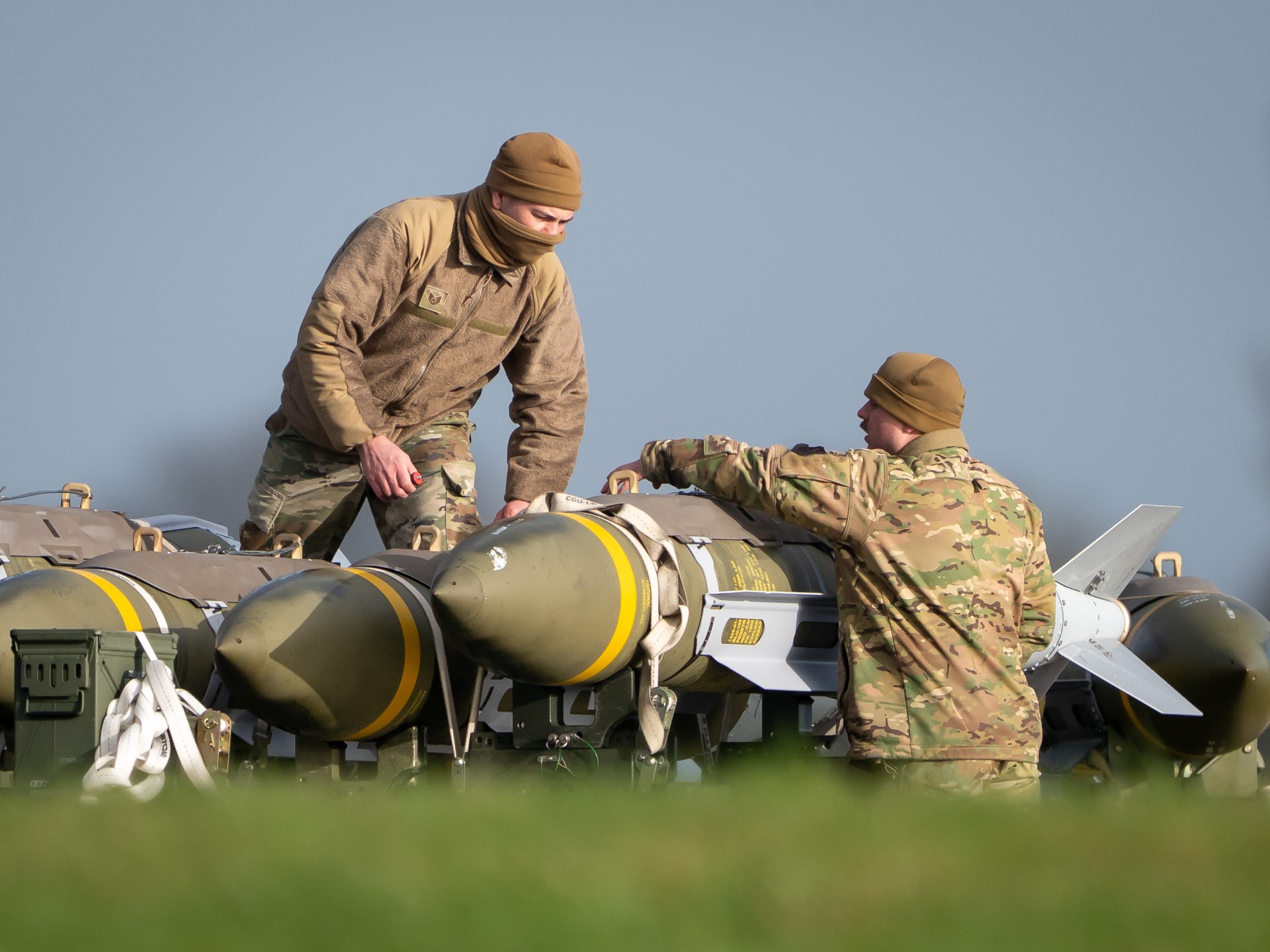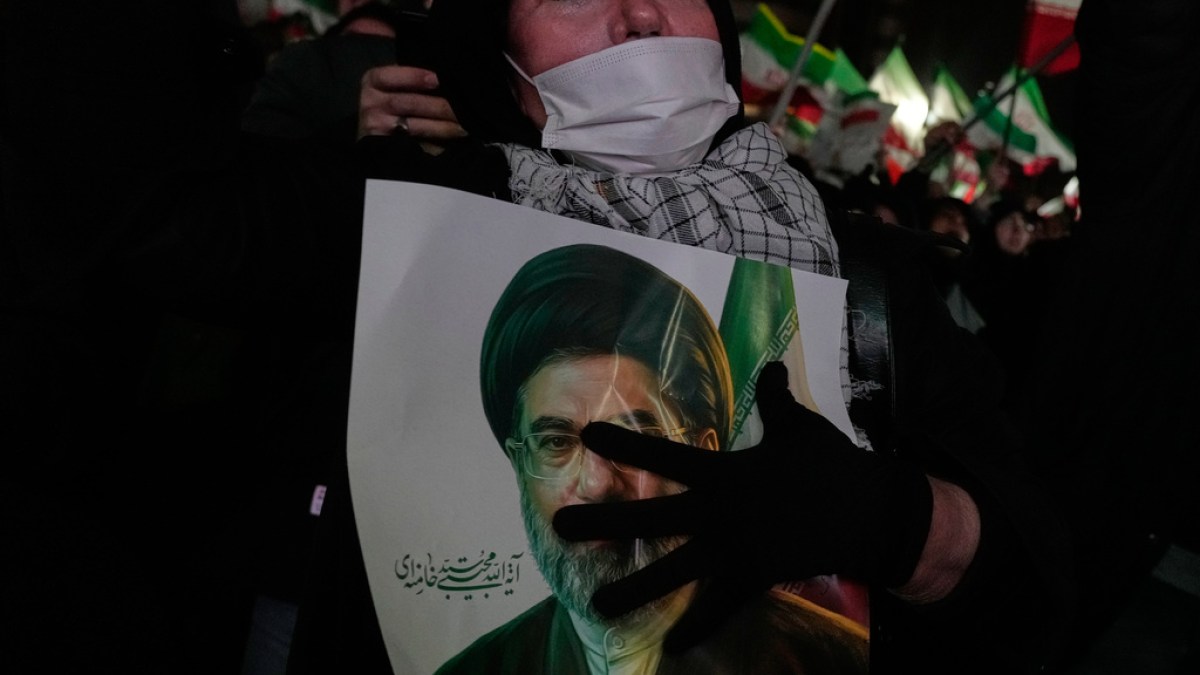

Tehran has formally responded to Washington’s 15-point plan to end the US-Israel war on Iran, asserting its “natural and legal right” over the Strait of Hormuz, as US President Donald Trump claimed it was “begging to make a deal”.
The Islamic Revolutionary Guard Corps-affiliated Tasnim news agency cited an “informed source” as saying that Iran had sent its official response to a US proposal to end the nearly monthlong war on Wednesday night and was awaiting a response.
- list 1 of 3Iranian naval commander Alireza Tangsiri killed in attack, Israel says
- list 2 of 3Video: GCC chief says Iran charging for ships to pass Strait of Hormuz
- list 3 of 3Russian officials meet US counterparts as Moscow denies aiding Iran
end of list
The Tasnim report published Thursday appeared to contradict Trump’s claim, laying out conditions that signalled a continued hardening of Tehran’s position.
These included an end to “aggressive acts of assassination” that have decapitated Iran’s leadership, from late Supreme Leader Ali Khamenei to security chief Ali Larijani, “compensation and war reparations”, and an end to hostilities from “all resistance groups that took part in this battle throughout the region”.
Signs of indirect Iranian engagement came as US special envoy Steve Witkoff claimed on Thursday that Tehran was seeking an “off-ramp”.
Speaking during a cabinet meeting at the White House, Witkoff said there were “signs” Iran had realised there was no alternative to negotiation.
“We will see where things lead, and if we can convince Iran that this is the inflection point with no good alternatives for them other than more death and destruction,” Witkoff told reporters.
He confirmed Pakistan had been acting as a mediator, adding that the US had “multiple reach outs from the region and others who want to play a role in ending this conflict, peacefully” and pinning blame on Iran for “stalling talks”.
But the source cited in Tasnim’s report slammed the US proposal, claiming that the US sought to “deceive the world by presenting an apparently peaceful image that seeks an end to the war” to keep oil prices low and prepare for “ground invasion”.
Advertisement
The source indicated that Washington’s bombings of the country during peace talks had eroded trust regarding its “willingness to negotiate at any point”.
Presenting Iran as being on the back foot, US President Donald Trump said the country was “begging to make a deal”. “We are absolutely obliterating Iran,” he said Thursday, claiming to have “completely” wiped out the navy and air force. He called Iranians “lousy fighters, but great negotiators”.
His comments, including claims that the US was “way ahead of schedule” in the war came as the economic and humanitarian toll of the conflict mounted, with Iran continuing to effectively block the Strait of Hormuz – a critical waterway through which a fifth of global oil supplies pass – leadding to fuel shortages spreading worldwide, and sending companies and countries scrambling to contain the fallout.
Alluding to an earlier remark about Iran giving the US a “very big present” as a concession, he said that the country was letting 10 oil tankers transit the Strait of Hormuz as an apparent goodwill gesture. On the same day, Iranian media had reported that lawmakers were seeking to pass legislation to collect tolls for transiting ships.
Reporting from Washington, Al Jazeera’s Alan Fisher said Trump was “running into problems domestically – long lines at airports to get through security, the cost-of-living crisis getting worse, fuel becoming much more expensive. He needs reaffirmation from his cabinet that he’s doing a good job.
“Now, from people I speak to, they still believe that Donald Trump wants to see this war done within the four-to-six week timescale that he’s talked about,” said Fisher. “He wants to be able to say: ‘See, it was done. I predicted it. I was right.’”
In other comments, US Vice President JD Vance echoed Trump, saying the “conventional military” in Iran had been “effectively destroyed” during the war. Vance said Iran no longer had a navy and “they don’t have the ability to hit us like they could of, even a few weeks ago.”
The Reuters news agency cited a Pakistani source as saying that Israel had taken Foreign Minister Abbas Araghchi and Iranian Parliament Speaker Mohammad Baqer Qalibaf off its list of targets after Pakistan urged Washington to press Israel not to target people who could be negotiating partners.
Related News
‘Life covered in soot’: Gas shortage forces Gaza families to cook over wood
Nigeria’s first state visit since 1989: President Bola Tinubu heads to UK

Polish court clears extradition of Russian archaeologist to Ukraine