That Diddy-Dudus Prison Fight Story May Be False – But Here’s Who Christopher Dudus Coke Actually Is
 16 October 2026
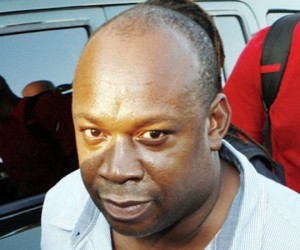

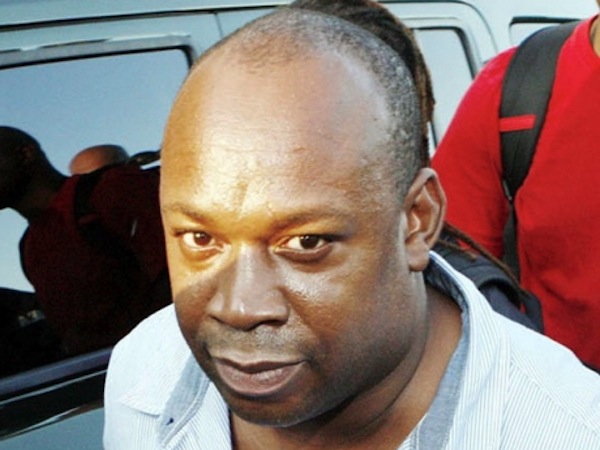
News Americas Now, NY, NY, Fri. Oct. 16, 2026: A viral TMZ report claiming Sean “Diddy” Combs suffered a head injury in a prison fight with Jamaican former “don” Christopher Michael Dudus Coke is now being denied by nearly everyone with direct knowledge of it as simply Fake News. The Federal Bureau of Prisons told the Daily Mail flatly that “the story you are referring to is false and did not happen.” Combs’s family has disputed the account. And Coke’s aunt, Angela Jackson, said on Instagram that the report is “completely false and nothing more than fake news,” adding that her nephew has never even met Combs and that the two men are held in separate sections of Fort Dix Federal Correctional Institution.
What hasn’t been denied, and what the original report got right regardless of whether the fight itself happened, is that Combs is still being held at Fort Dix and that an NBC News report on his lifestyle behind bars did trigger prison raids and phone confiscations. Beyond that, the Bureau of Prisons has declined to discuss any inmate’s confinement in detail, citing privacy and security, so Combs’s reported head injury remains unverified.
But the story went viral for a reason, and on Caribbean social media this week it wasn’t really about Diddy at all – it was about Dudus. Whether or not the two men ever crossed paths, the fact that so many people instantly believed a Jamaican “don” serving a federal sentence could still be the most feared man in an American prison says something about who Christopher Coke actually is to the Caribbean diaspora, even sixteen years after he left Jamaica in handcuffs.
Coke’s name brought Jamaica to a standstill in May 2010. As the Tivoli Gardens “area don” with alleged ties to drug and gun trafficking through his Shower Posse network, Coke was wanted on a U.S. extradition request that the Jamaican government sat on for months — a delay that triggered a political crisis, cost a justice minister his job, and badly damaged a prime minister’s credibility. When security forces finally moved into the Tivoli Gardens community in West Kingston to extract him, the operation became one of the deadliest in the island’s modern history: a state of emergency, gun battles in the streets, and a civilian death toll that human rights investigators and community advocates have put anywhere from the 40s into the dozens beyond that, with many residents insisting the real number is higher than what was ever officially confirmed. A full, independent accounting of what happened in Tivoli Gardens that week has still never been delivered to the families who lost people.
Coke evaded capture for weeks afterward before he was caught trying to flee the island and was extradited to the U.S., where he pleaded guilty to racketeering conspiracy and was sentenced in 2012 to 23 years.
Sixteen years later, a false story about him was still believable enough to go viral worldwide within hours – proof that Coke’s name still carries real weight, for better or worse, long after he left Jamaican streets. Whatever actually happened or didn’t happen at Fort Dix this week, that’s the part of this story the diaspora already understood, and the part most American outlets chasing the Diddy angle never will: the families of Tivoli Gardens are still waiting on accountability for what that 2010 operation cost them, while the man at the center of it remains, even from behind bars, one of the most talked-about figures to ever come out of Jamaica. He is scheduled to be released on January 28, 2029, and likely will be deported back to Jamaica.
Related News
When Deportation Hits Home: The Economic Ripple Effect On Black Caribbean Immigrant Famili...
2026 US Trafficking Report Flags A Disturbing Pattern: Family Members Facilitating Child S...

A US Marshal Rode Along For The Arrest Of The Presumptive Guyana Opposition Leader