
Senior Reporter
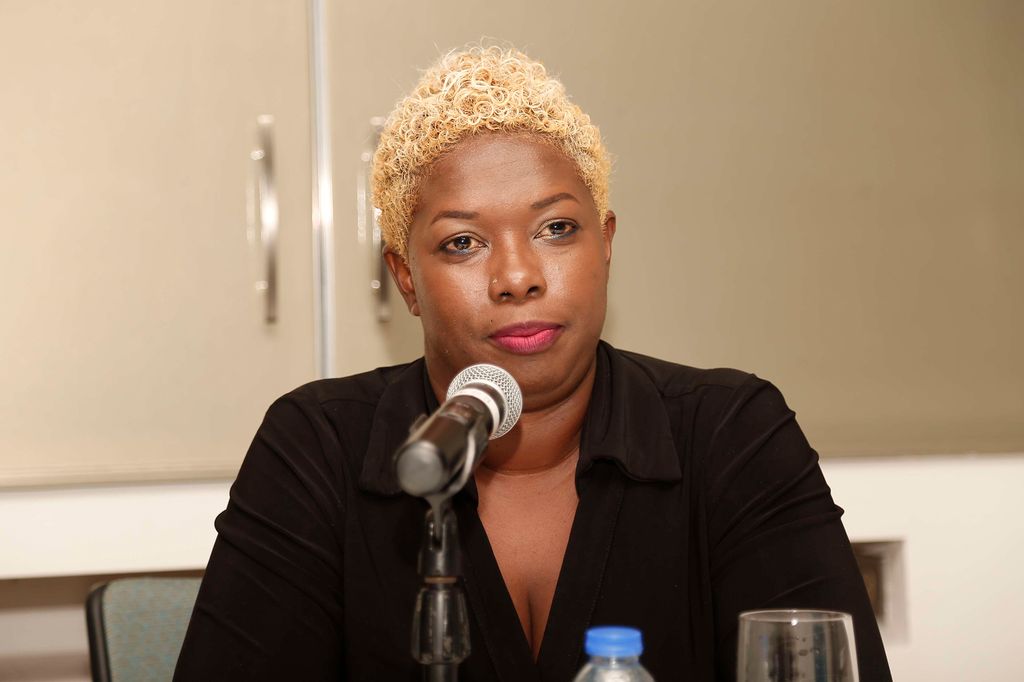
University of the West Indies (UWI) lecturer and vlogger Rhoda Bharath says she is going to be “savvy” in her social media posts as the Emergency Powers Regulation allows for those presumably causing public discord to be detained.
According to Section 11 of the regulations: “No person shall– (a) Endeavour, whether orally or otherwise, to influence public opinion in a manner likely to be prejudicial to public safety; or (b) Do any act or have any article in his possession with a view to making or facilitating the making of any such endeavour.”
Bharath said she has been preparing for some form of attempt by the government to stifle not only opposing views but stymie the leaking of information.
“I knew the minute I started speaking out against them, I knew the minute Roger Alexander started talking about adopting measures that he was seeing in China, the minute Barry Padarath echoed support for him on that, the minute any number of other persons within the government started echoing support for use of oppressive measures and censorship measures like that, I knew that this was going to be the next step.”
She added that after she leaked details on the Zone of Special Operations Bill, she began preparing for some form of backlash, but assured she was not going to temper her posts.
Bharath said there may be attempts to “set examples.”
“If they attempt to do that, my position is going to be to continue as best as I can. If they attempt to, if I’m detained, there isn’t anything that I can do when I am detained, but once I’m no longer detained, I’m going to return to doing precisely what I’m doing. I’ve been mentally prepared for this for quite some time.”
She adds that the regulation is crafted in a way to be a “dog whistle” to those who not only use social media but provide information to social media users, such as herself, to frighten them.
She said she found it ironic that the regulation seems to target whistle-blowers when it was the current government, when they were in opposition, were advocates of whistle-blowing.
President of the Media Association of Trinidad and Tobago (MATT) Prior Beharry said while the regulation is not new, he is hoping for clarity.
“We have every confidence that the authorities will apply the regulation responsibly and in keeping with constitutional protections. At the same time, we respectfully urge a clear and narrow interpretation, transparency in its application, and accessible avenues for concerns to be addressed, so that legitimate journalism and peaceful expression remain protected during this period.”
Shiva Parasram, who has a professional history of assisting companies addressing digital risks, said Section 11 is nothing to be concerned about and warned that social media users be careful.
He added that while some believe the regulation is aimed at muzzling dissent, he does not believe there’s a need to be fearful, but social media users must choose their wording carefully.
“If you just take a couple of moments to not just type and hit enter and post or whatever, you just take a couple of moments to just word it carefully, I don’t think you would have any issue to express your voice or anything like that. But it’s just, like I said, it’s the wording I think is what would actually matter. So, you have to understand where that line will be crossed, but I don’t see it as anything to muzzle from that perspective,” he said, adding that compared to other countries, the regulation is not censorship.