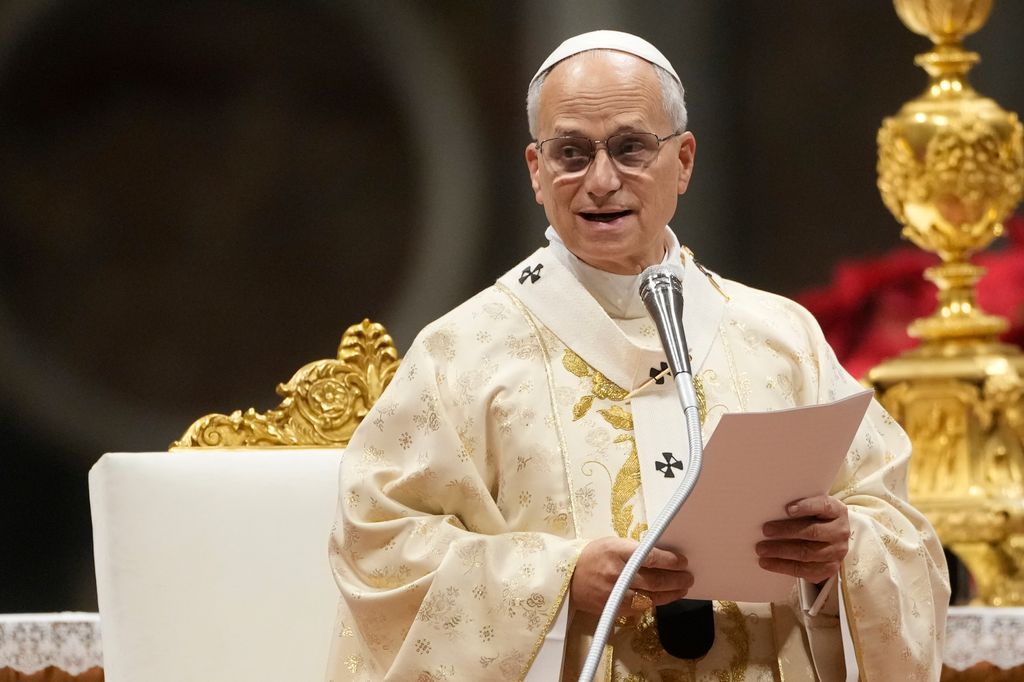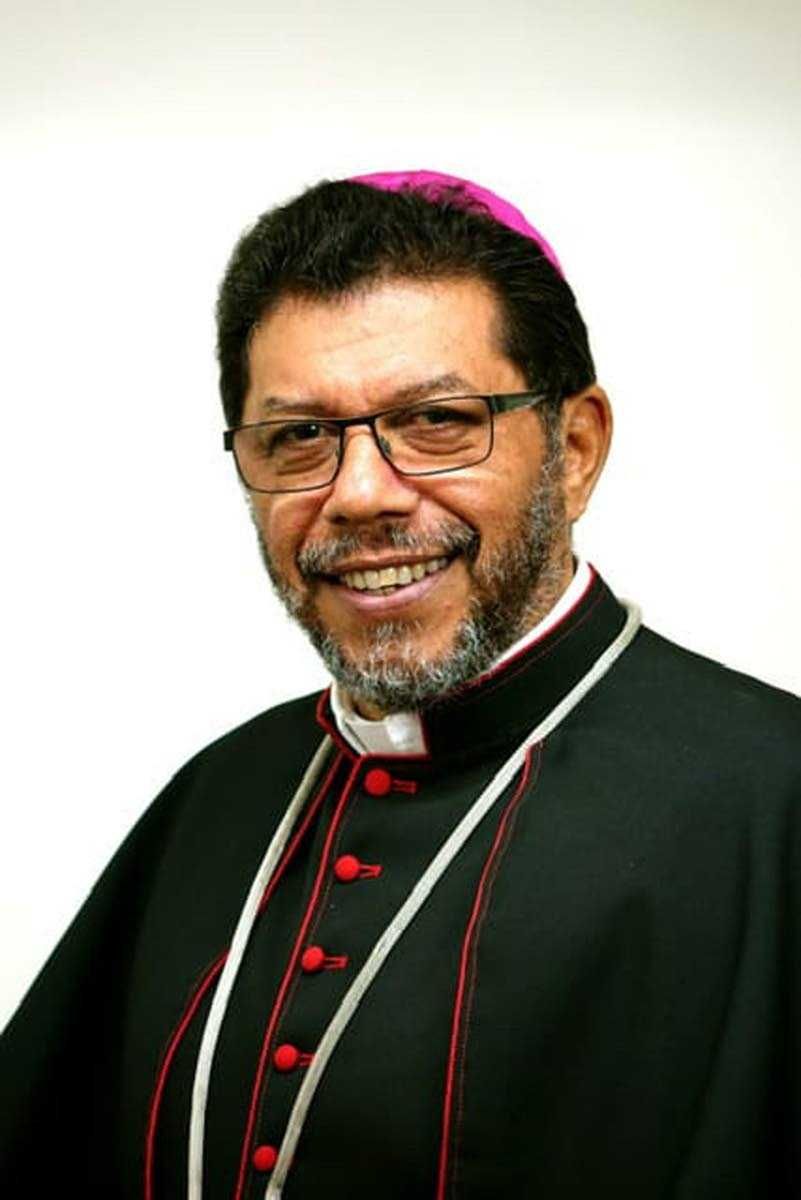

The Antilles Episcopal Conference (AEC) is calling on all Roman Catholics throughout the region to observe Thursday (January 1, 2026) as a Caribbean Day of Prayer— “entrusting our region to the mercy, justice and guiding light of Jesus Christ”.
The AEC brings together 19 Dioceses and two Independent Missions comprising 13 independent countries, three Overseas Departments of France, six islands of the Kingdom of The Netherlands, and six British Overseas Territories
In a message, AEC President and the Archbishop of Port of Spain, Jason Gordon, said he is urging all governments “with influence in the Caribbean basin, including the United States, Venezuela as well as the 15-member Caribbean Community (CARICOM), and our hemispheric partners to choose dialogue over force, diplomacy over intimidation and cooperation over unilateral action.”
The AEC President said that he “strongly supports” the call for CARICOM to meet urgently “to address the raft of divisive geopolitical disputes straining region unity.”
“I implore Caribbean leaders to speak with one voice on behalf of our peoples and to desist from publicly criticising one another, as this deepens fragmentation at a time when unity is essential,” he said in his two-page statement.
Archbishop Gordon said: “At a time when the faithful is celebrating the Advent of Christ, the Prince of Peace, I appeal to the faithful to pray fervently for peace in our waters and for all affected; families mourning loved ones lost at sea; migrants fleeing hardship; workers in aviation, shipping and tourism; and especially the poor, who will suffer most from instability and rising costs.”
Archbishop Gordon noted that since the AEC issued a statement in October last year on the growing military presence in the Southern Caribbean, “the geopolitical landscape of our region has changed at an alarming pace.”
He said what was then a troubling build-up, “has now intensified into active military operations, tanker seizures, the expansion of naval assets and airspace restrictions that affect the daily lives of our people.”
“As bishops of the Caribbean flock, we cannot remain silent when developments threaten human dignity, regional stability and the long-held vision of the Caribbean as a Zone of Peace,” he added.
The United States has amassed a formidable armada in the international waters near Venezuela, bombing several vessels Washington claims are engaged in the illegal drugs trade and in the process killing almost 100 people.
In August 2025, CARICOM issued a statement regarding the increased security build up in the Caribbean and the potential impacts on Member States, reaffirming “the principle of maintaining the Caribbean region as a Zone of Peace and the importance of dialogue and engagement towards the peaceful resolution of disputes and conflict.”
But Trinidad and Tobago’s Prime Minister, Kamla Persad-Bissessar, has left no doubt where she stands on the issue. She has disagreed with the CARICOM position that the region should remain a zone of peace, supporting Washington’s so-called war on drugs in the region, even as political observers say Washington’s main aim is to institute regime change in Caracas.
Archbishop Gordon said that the AEC has expressed “deep concern” that the Caribbean Sea, “home to fisherfolk, seafarers, coastal families and migrants, has become a theatre for confrontation not of our making.”
“Recent lethal maritime incidents, the blockade of oil tankers, and increased surveillance activity elevate risks to innocent lives and aggravate humanitarian suffering, particularly in Venezuela,” he observed. “These actions also strain maritime commerce, tourism and the welfare of thousands whose livelihoods depend on safe and open seas.”
He said that while the AEC recognises the legitimate responsibility of states to address transnational crime and uphold international law: “We affirm more urgently than before that militarisation is not the road to durable security.”
“Heightened operations in our region, whether by global powers, or regional actors, further entrench mistrust, disrupt economies, and endanger the most vulnerable. War, or threat of war, is always a defeat for humanity,” he said.
The AEC president stated: “We stand in solidarity with the people of Venezuela at this crucial moment in their nation’s history. Guided by the testimonies of their own bishops and by conversations with Regional Church leaders, we acknowledge the overwhelming desire of the Venezuelan people for democratic renewal and for leadership that restores justice, peace and integrity of their institutions.”
Archbishop Gordon added: “Their quest for a nation built on these foundations deserves he attention, respect and solidarity of the Caribbean Community.” —PORT OF SPAIN, Trinidad (CMC)
Related News
Ian Alleyne wants Sando Mayor to say sorry for ‘derogatory’ remark
PM non-commital on T&T’s energy future despite Maduro’s indictment in US
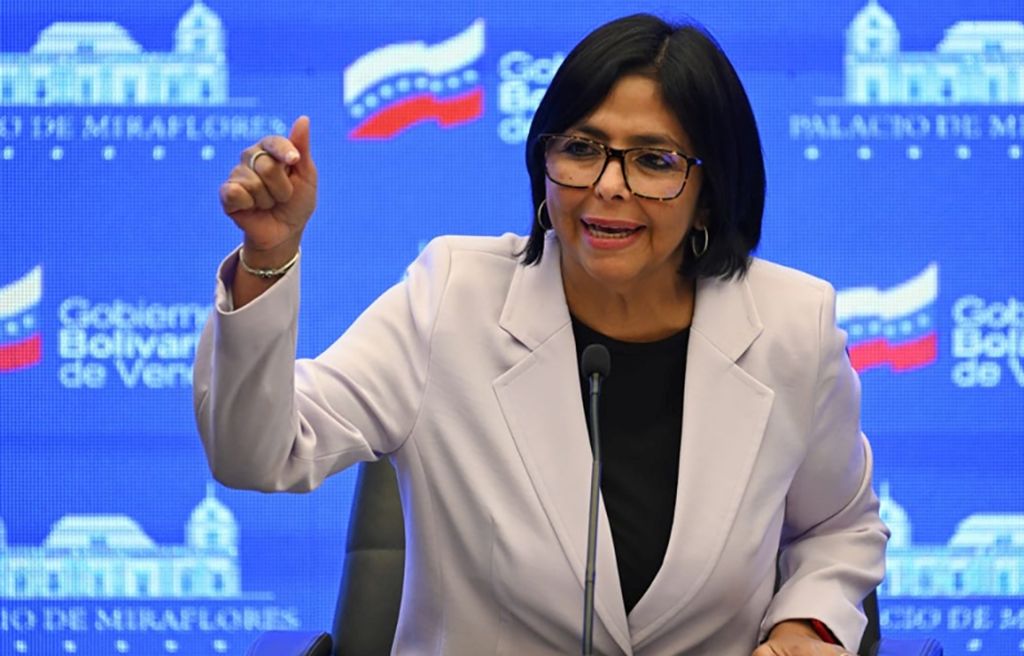
Rodríguez says Maduro still president after Trump vows US control