
GEISHA KOWLESSAR-ALONZO
Senior Reporter
geisha.kow[email protected]
Economists have backed the Central Bank’s warning about rising household debt, cautioning that excessive borrowing could have wider implications for financial stability, business activity and economic growth in Trinidad and Tobago.
Their comments follow the Central Bank’s identification of household indebtedness as a key risk to the country’s financial system in its Financial Stability Report 2025. The report raised concerns about borrowers’ ability to service their debt amid broader economic uncertainty.
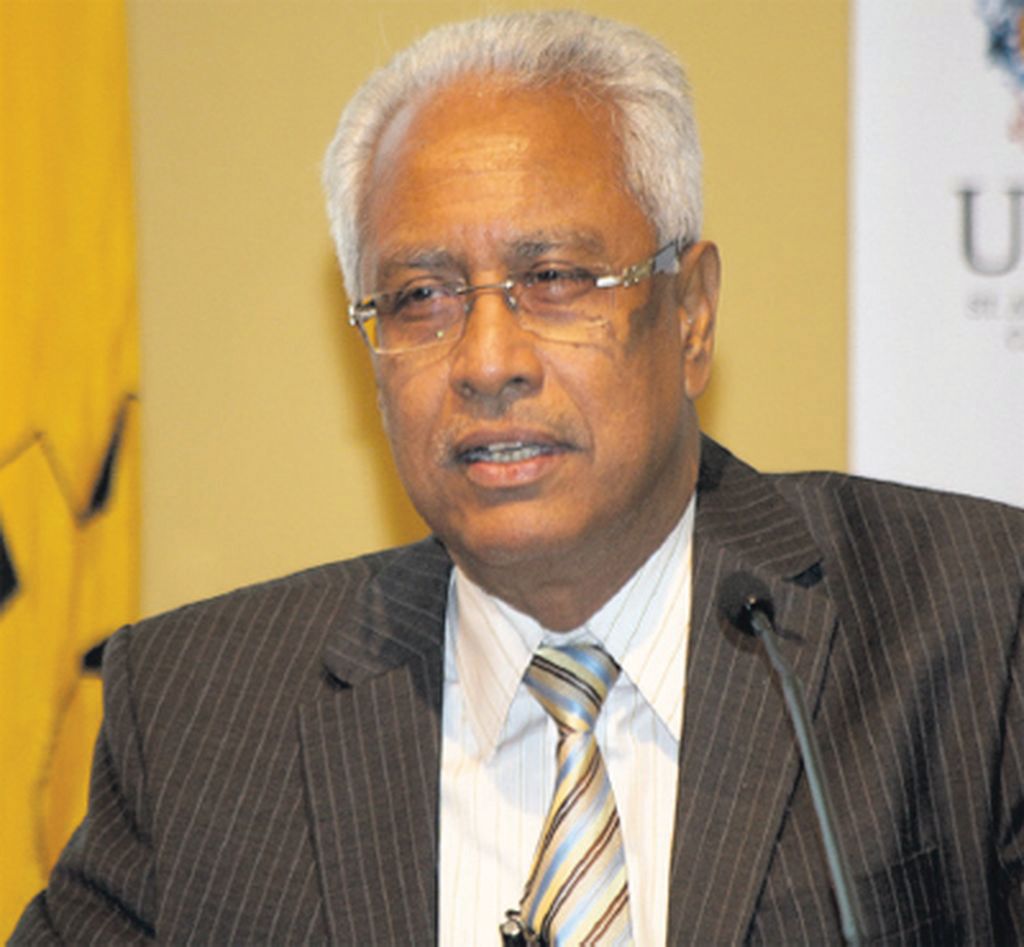
Economist Dr Ronald Ramkissoon said the Central Bank should be commended for identifying potential risks before they escalate. Monitoring vulnerabilities in the financial system, he said, is a critical part of the institution’s mandate.
While he said there was no immediate reason for panic, Ramkissoon warned that rising debt levels require close attention from households, financial institutions and policymakers.
“The fact that household debt is being pointed to as rising is not a reason to be unduly concerned or fearful. What it says, however, is that the commercial banks need to be extremely careful in increasing exposures to households and businesses,” he said.
Ramkissoon said households must pay close attention to their ability to service loans, warning that financial stress could quickly spread through the economy if borrowers were unable to meet their obligations.
“If households, businesses and the Government are unable to pay their debt as it becomes due, then problems are going to arise all around,” he said.
He said the long-term solution lies in stronger economic growth, sustainable employment and rising incomes, which would improve households’ and businesses’ ability to meet debt payments.
“At the base of the performance of the financial system and the creditworthiness of households is the performance of the economy,” Ramkissoon said. “Policymakers need to ensure there is growth, that people have employment in sustainable jobs and that incomes are rising in a way that is sustainable.”
Economist Dr Vanus James also expressed concern about household indebtedness, saying debt in Trinidad and Tobago finances not only consumer spending but also small and informal businesses.
“In a Trinidad and Tobago-type economy, households are responsible for two primary functions: consumption and business creation, such as small and informal businesses,” James said.
He said a significant portion of household borrowing is linked to entrepreneurship and income generation, rather than consumption alone. Excessive debt, therefore, can affect not only household spending but also job creation and economic growth.
“A large part of that debt is not consumption debt; it’s business development debt. When they get into trouble, it’s those two functions that are affected, and the effects spiral through the banking system,” he said.
James warned that rising loan defaults could weaken banks’ capital positions and reduce their capacity to lend, creating ripple effects throughout the economy.
“The Central Bank is right to be concerned when they see a spiralling of household indebtedness, with the possible consequences feeding through the system,” he said.
He added that excessive household debt affects more than individual borrowers, threatening business creation, employment and overall economic activity.
“In an economy like ours, when that gets into trouble, the economy gets into trouble, unemployment will rise, everything. So it’s a dangerous situation when households are excessively indebted,” James said.
Related News

Democrats usher in new era with resounding win over Trump’s Republicans

US Coast Guard seizes US$27 million of cocaine in Caribbean Sea

Alexander vows closer scrutiny of TTPS spending after $93M phone bill