Rescued fisherman recounts nine-day fight for survival after St Vincent VII sank
 28 July 2026

Senior Reporter
otto.carring[email protected]
For nine harrowing days, Shannon Mohammed and five fellow fishermen drifted across the Atlantic Ocean in a small dinghy after fire ripped through the longline fishing vessel St Vincent VII, forcing them to abandon ship hundreds of miles from land.
The men survived on emergency ration biscuits and carefully measured sips of water salvaged from the burning vessel, endured blistering daytime heat, freezing nights, dehydration and hallucinations, and watched one of their crewmates die after help finally arrived.
Yet throughout the ordeal, Mohammed said he refused to surrender hope.
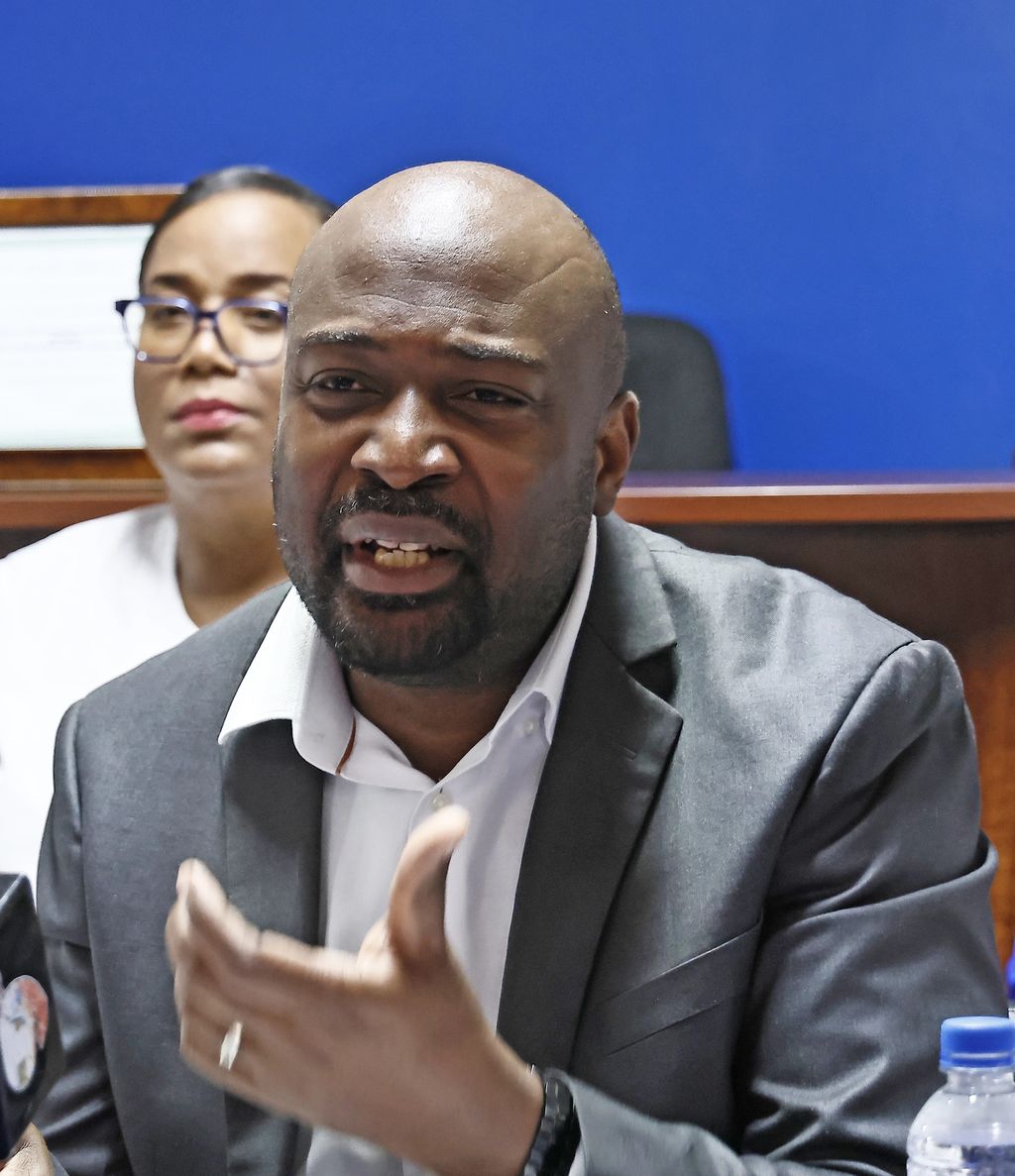
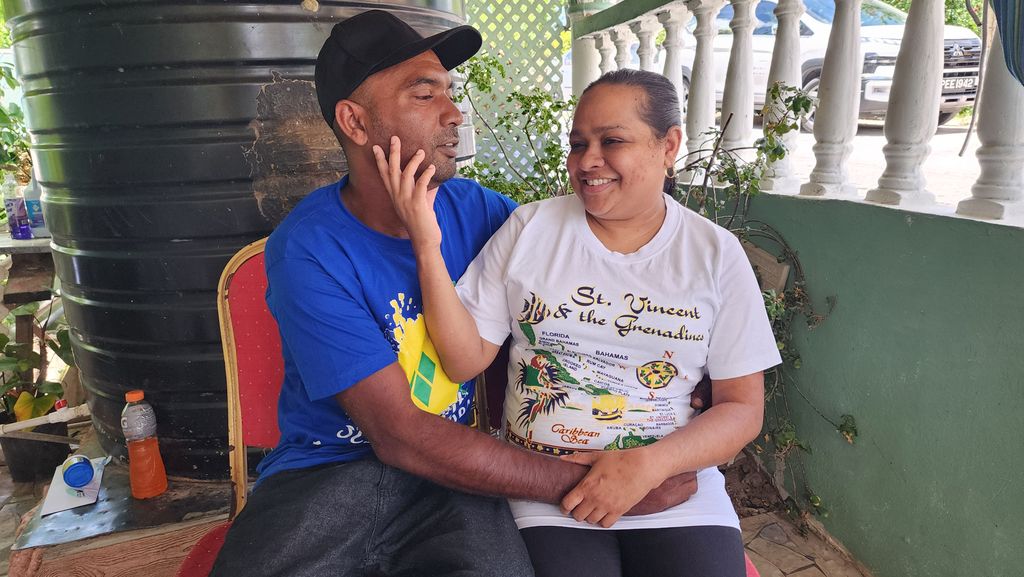
“My mind was straight survival mode,” Mohammed told Guardian Media yesterday.
“I kept telling the fellas, ‘We’re not giving up. Somewhere or the other, we’re reaching home.’”
Mohammed was among the six-member crew aboard the St Vincent VII, which departed Chaguaramas on July 6 to fish for yellowfin tuna before catching fire on July 13 near the maritime boundary between Suriname and French Guiana.
The crew comprised Mohammed, Kevin Fonteillo, Alex Burnley and Anthony Murray of T&T, captain Eshwar Persaud, of Guyana and Rupert Charles, of St Vincent and the Grenadines. Murray later died following their rescue.
Mohammed recalled that shortly after 6.30 am, smoke began pouring from the vessel’s toilet area.
“We could not see, we could not breathe,” he said.
The crew tried desperately to reach the source of the blaze, but within minutes the fire spread rapidly through the area. They abandoned the vessel in a small dinghy after discovering the life raft had already caught fire.
When flames on the vessel later subsided, Mohammed and another crew member climbed back aboard in one final attempt to save anything that could help them survive.
That decision would ultimately save their lives.
Among the wreckage, Mohammed discovered survival biscuits and 28 emergency packs of drinking water.
“When I saw it, I was so happy because we didn’t have no water ... nothing,” he recalled.
The crew immediately rationed the supplies, calculating that by eating only tiny portions each day they could stretch them for more than a month if necessary.
As the days wore on, however, exhaustion and dehydration began taking a heavy toll. Some crew members experienced hallucinations, believing they were heading to shops for drinks or making coffee, he said.
Murray, the eldest member of the crew, became increasingly weak despite remaining mentally determined to help paddle whenever he could.
“He wanted to help us right until the end,” Mohammed said.
The fishermen were eventually spotted after paddling frantically toward the passing merchant vessel MV Marvel Kite.
“I waved until I felt my hand could break off,” Mohammed said.
After spending two hours taking the weakened fishermen safely aboard, the Marvel Kite crew immediately provided food, water and emergency medical treatment before charting a course for Barbados. However, they later diverted to St Vincent and the Grenadines after Murray died while receiving treatment on board, where the survivors were handed over to the St Vincent Coast Guard and taken to the Milton Cato Memorial Hospital.
Mohammed said the compassion shown by the crew of the Marvel Kite and officials in St Vincent was something he would never forget.
“They treated us very, very good,” he said.
He recalled being greeted with warm showers, blankets, hot meals, fresh clothing and comfortable beds after more than a week at sea.
“They kept checking on us all the time.”
Doctors and nurses at Milton Cato Memorial Hospital monitored the fishermen throughout the night, carrying out blood tests and continuous medical examinations.
“I don’t feel we’d be treated like that in Trinidad.”
Mohammed also praised Prime Minister Dr Godwin Friday, saying the Vincentian leader welcomed the survivors, encouraged them to remain in the country as long as they needed to recover and ensured they received clothing and assistance before returning home.
“They even carried us to a store and told us to take whatever we wanted. They never left our side until we boarded the plane,” he said.
While expressing gratitude to everyone involved in the rescue, Mohammed questioned what he described as shortcomings in the response after the emergency.
He believes his family’s determination to keep raising alarms helped ensure search efforts continued.
“I believe if my family didn’t know early, we might not have been saved.”
He also criticised the reception after arriving back in Trinidad and Tobago, saying the survivors were asked to complete online immigration procedures despite spending more than a week adrift without phones or personal belongings.
Mohammed further claimed that days after returning home, he had still not received a welfare call from the company operating the vessel.
“Not even a call to ask if I’m okay, he said.”
Despite surviving his second life-threatening incident at sea, Mohammed insists he has no intention of giving up fishing.
“From birth I believe I was a fisherman. The sea gives me peace of mind. I could have gone back in the sea the very next day after I reached home.”