
Senior Reporter
sascha.wil[email protected]
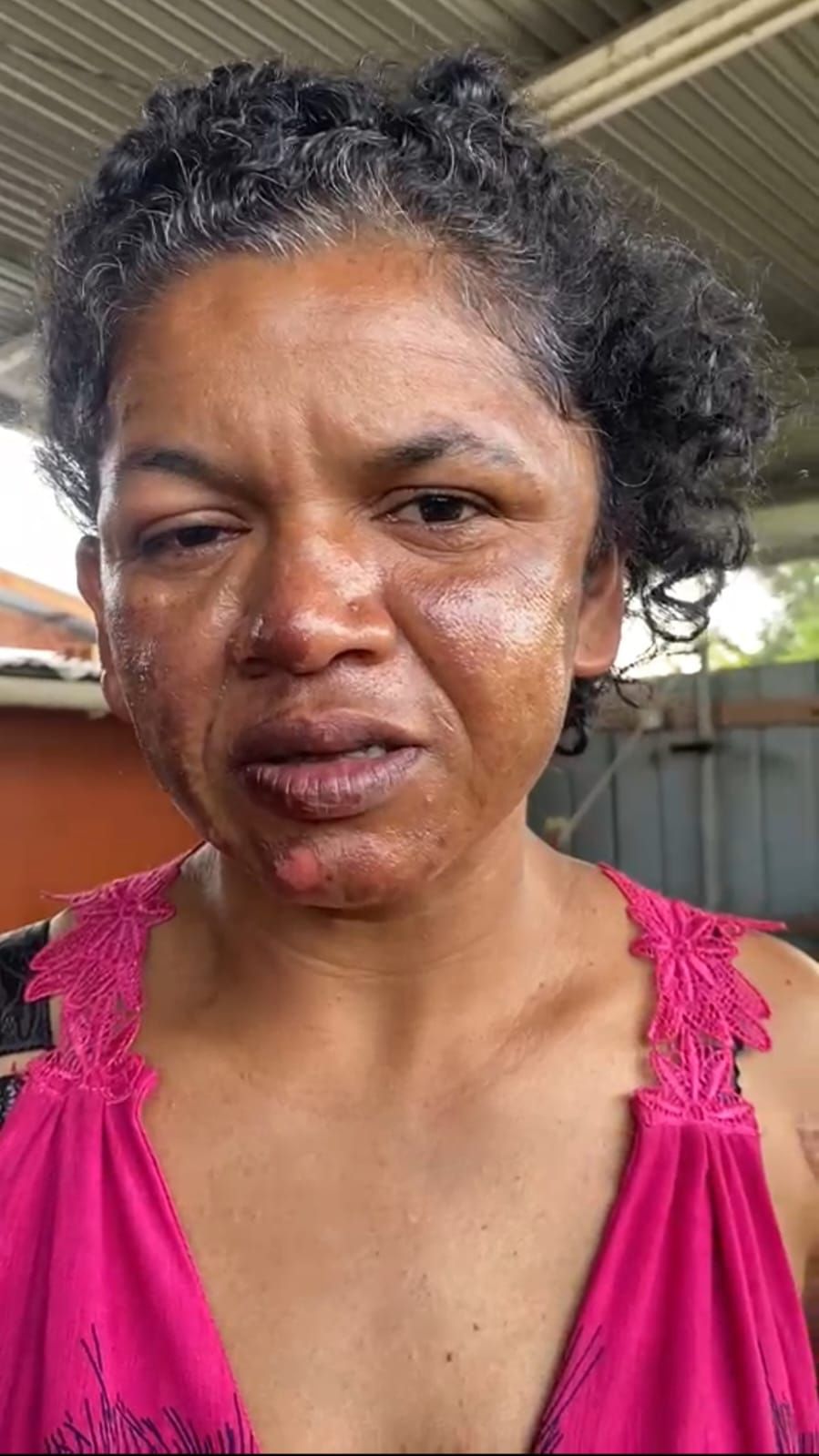
A 38-year-old woman and 17-year-old son remain in police custody, as officers try to piece together the circumstances surrounding the alleged abuse and false imprisonment of Sabita Basdeo.
And as Basdeo was with family members recovering last night, her husband and son are trying to heal after years of separation.
In an emotional interview at his Ramlal Avenue, Barrackpore home yesterday, Basdeo’s 17-year-old son said he was happy to have his mother back in their lives, but he was also heartbroken over the suffering she allegedly endured at the hands of a Penal woman and her son. His name was withheld because of his age.
His father, Krishendeo, 56, was also moved to tears.
Basdeo’s alleged abuse came to light on social media, prompting public concern and swift police action. Police Commissioner Alister Guevarro subsequently mobilised a team of officers to locate her on Saturday.
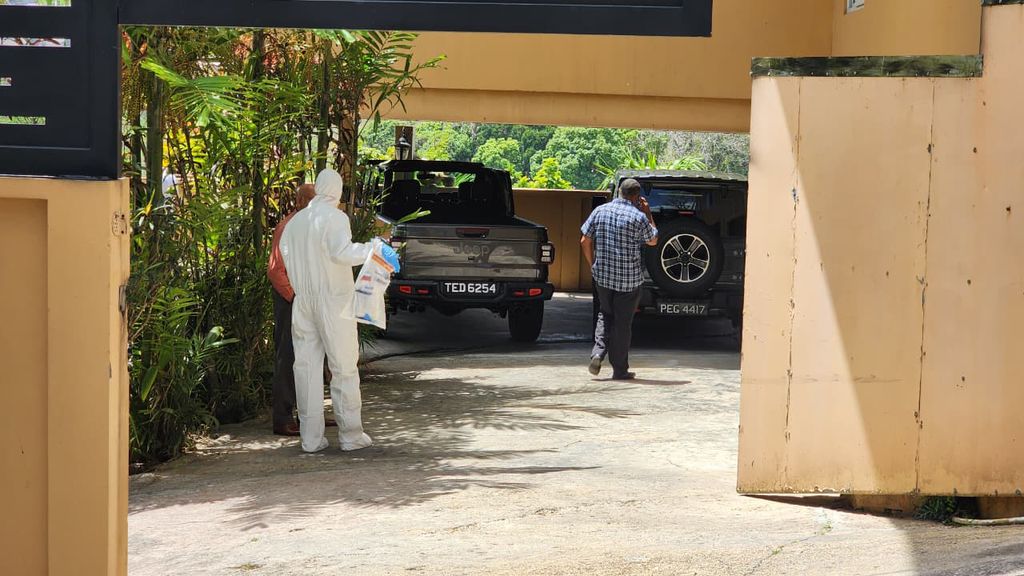
Hours later, the woman and son arrived at the Barrackpore Police Station with Basdeo. She was taken for medical treatment and then taken to the home of a relative. Police said she would be taken to a “safe place,” but one of Basdeo’s relatives yesterday told Guardian Media that she was still at their home and was recovering well.
When his mother left several years ago, her son said they believed she had simply gone to do domestic work at the woman’s house. Basdeo, 42, has one other son who is 14 years old.
Describing the moment he saw his mother on Saturday night after years apart, he said, “It was so good. When she saw me, she hugged me. She asked for my brother. He was outside the station and didn’t get to come inside.”
He said he was also relieved that his mother was safe.
“I feel better seeing she, knowing she will be out of there. I know nobody will be beating she, doing she nothing. She will be better and making she self stronger now.”
The teen said he and his 14-year-old brother had missed their mother deeply, but their father tried his best to care for them. He explained that they were unaware of the circumstances she was allegedly enduring.
“We thought she went to work, doing housework. Not knowing that she was being abused and people were taking advantage of her, not getting paid for the seven years she was there.”
He also claimed he and his father were allegedly attacked when they went to the house where Basdeo was being kept.
“On two occasions, my father went there, and they beat him. Then about a month ago, I went there with a man to pick up some manure, and when she saw me, she hit me a slap on my back and run me out from she place. I left.”
He said he only became aware of the extent of the alleged abuse about a month ago, when someone who used to stay at the house sent him two videos. He said they contacted a lawyer, who informed the police. He said no one deserves what was done to his mother, and he is hoping that those responsible are charged and imprisoned.
Basdeo reportedly told police that between September 2025 and April 2026, she was forced to perform domestic duties while being prevented from leaving. During that period, she alleged she was beaten, had her head slammed against a wall, was burned about the body and subjected to other forms of abuse, including threats that she would be killed if she tried to escape.
Trinidad and Tobago Red Cross Society vice president Edward Moodie had said he became aware of Basdeo’s situation after seeing the video on social media. The video also showed another incident involving an elderly man who had also been beaten by the suspects. Moodie also contacted Basdeo’s family and met with her husband and two sons.
While the suspects remain in custody, the T&T Police Service’s Victim and Witness Support Unit is continuing to interview witnesses.
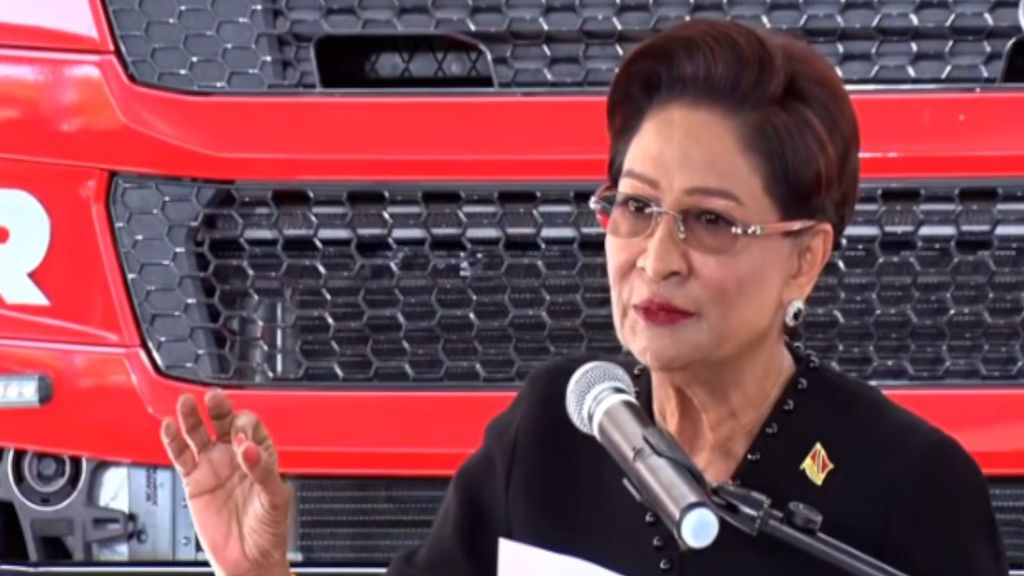
Attempts to reach Minister of Social Development Vandana Mohit, former minister Donna Cox and the Police Commissioner Allister Guevarro on the case yesterday were unsuccessful.
Describing as “deeply concerning,” reports of prolonged abuse suffered by Basdeo, psychologist Dr Varma Deyalsingh yesterday said they reflect a prolonged pattern of severe psychological trauma consistent with coercive control abuse.
He explained that recovery from prolonged trauma is not immediate, so victims would require sustained mental health support over months or years.
“Such cases underscore the importance of early intervention, community awareness, and coordinated institutional response to prevent prolonged abuse and its devastating mental health consequences,” Deyalsingh said.
He said people who have been subjected to chronic physical violence, with threats to their lives, social isolation and forced labour over an extended period are at risk for Post-Traumatic Stress Disorder (PTSD). He explained that symptoms may include intrusive memories or flashbacks, nightmares, hypervigilance, emotional numbness and an exaggerated startled response. He said she may also experience profound anxiety, depression, feelings of helplessness, and loss of trust in others.
Humiliation and degradation, Deyalsingh said, can damage a person’s sense of identity and self-worth. He said victims often develop what is known as “learned helplessness,” where they feel unable to escape or change their situation, even when opportunities arise.
“Cognitive effects such as difficulty concentrating, confusion and impaired decision-making are also common. In addition, there is the likelihood of developing a major depressive disorder, given the reported isolation, abuse, and deprivation,” Deyalsingh said.
Deyalaingh explained that victims may also experience grief and emotional distress related to separation from their family. He added that physical abuse and torture may further contribute to somatic symptoms—chronic pain, fatigue, and other stress-related medical conditions.
He said Basdeo requires immediate psychiatric assessment to assess for PTSD, depression and anxiety, while steps must be taken to ensure she is in a safe, supportive environment, including reassurance of her safety. Once stable, he said trauma-focused psychotherapy, Cognitive Behavioural Therapy (TF-CBT) or Eye Movement Desensitisation and Reprocessing (EMDR) may also be beneficial.
He said pharmacological support medication, social and rehabilitative support, assistance with housing, legal documentation, financial support and reintegration into society may also be necessary.