
Release them now! Lawyer for SoE detainees demands urgent apology, compensation from State for not filing charges
 15 January 2026

Senior Reporter
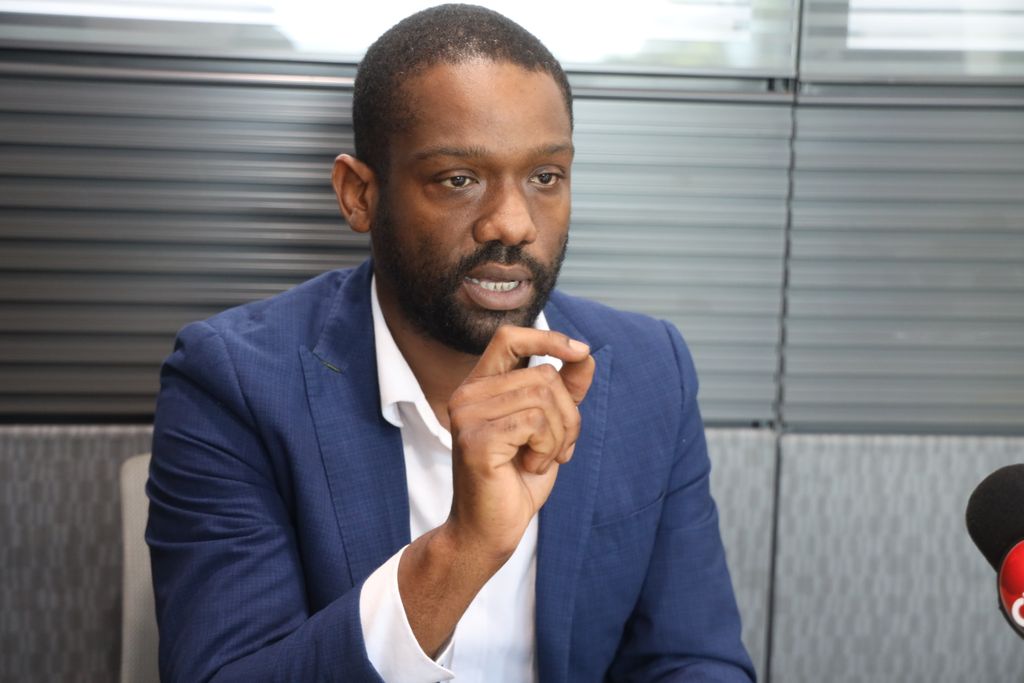
Charge or release them and apologise! This was the call made yesterday by an attorney representing several individuals detained under the State of Emergency (SoE), who questioned its effectiveness as it is set to expire on January 31.
Criston Williams has also called on Homeland Security Minister Roger Alexander and the Trinidad and Tobago Police Service (TTPS) to issue a public apology to the nation and to those detained but not charged when the process comes to an end.
Describing his eight clients as “bitter and angry” over their continued detention, Williams challenged the TTPS to provide evidence linking the detention of the 144 individuals to the decline in murders and other crimes. He noted that serious accusations had been made against those detained and emphasised that the authorities have had six months to investigate and press charges.
Williams said, “The TTPS was given leeway under the SoE to detain persons yet failed to lay charges. Until anyone is charged, it will only remain allegations.”
He lamented that during this time, “lives have been destroyed.”
The attorney added that the detention could be blamed for, “perpetuating the breakdown and destruction of family life, as well as the possibility of changes in behaviour in a short time frame.”
Williams, speaking on behalf of his clients and anticipating similar claims from other detainees, said they intend to petition the President for compensation from public funds due to the losses they have suffered.
“All our clients intend to petition the President to pay compensation out of public funds as they have suffered loss or damage,” he said.
Section 6 of the Emergency Powers Regulations 2025 states, “No person shall be liable to any suit or action in respect of any act done under lawful direction and authority pursuant to the provisions of these Regulations, but the President may in his discretion order that compensation shall be paid out of the public funds to any person upon being satisfied that such person has suffered loss or damage by reason of the exercise of any powers conferred by regulation 3, other than subregulation (2)(j) thereof and regulation 4.”
Williams argued that the authorities will have no choice but to release people who have not been charged, as “there is nothing in place to continue their detention.”
He added, “They now have to pick up the pieces of their lives.”
One of his clients, he said, had lost his wife while in custody, while another reportedly lost his home as his family could not have afforded to cover the mortgage payments.
“From the standpoint of those incarcerated, how effective has this SoE been?” he asked.
Meanwhile, Williams said he also intends to seek reprieve from international human rights bodies in respect of his clients who were detained under the SoE.
Asked how he felt about the proposed Zones of Special Operations (ZOSOs) which Government intends to introduce upon the expiration of the SoE, Williams said the effectiveness of this, just like the SoE, would have to be seen.
Attorney General John Jeremie announced plans to advance legislation targeting high-crime “hotspots” without imposing a national SoE, on Wednesday.
Just as in Jamaica, he explained the initiative seeks to maintain the reduction in violent crime that had been achieved during the SoE.
The proposed ZOSOs framework will focus security measures on specific areas while incorporating checks and controls, judicial oversight, and time constraints on the designation of zones.
Williams said while it had proven successful in Jamaica, Government needed to properly contextualise the framework in which it was being proposed for T&T.
However, he admitted, “We can’t properly critique the proposed legislation until it comes to Parliament.”
Related News

Prison officer’s gun stolen from parked car at Caura
PM: Parliament to weigh 7-day ease for motorists to fix defects
Downtown merchants warn of surge in night burglaries
