
Senior Reporter
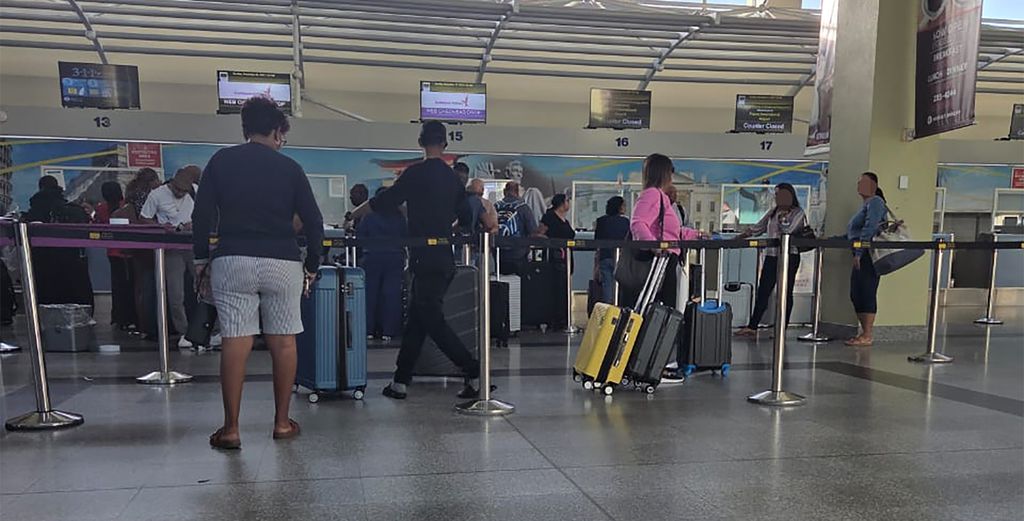
The United States is assisting Trinidad and Tobago with the development of infrastructure to complement an advanced passenger screening system that will allow authorities to identify potential threats even before travellers arrive in the country.
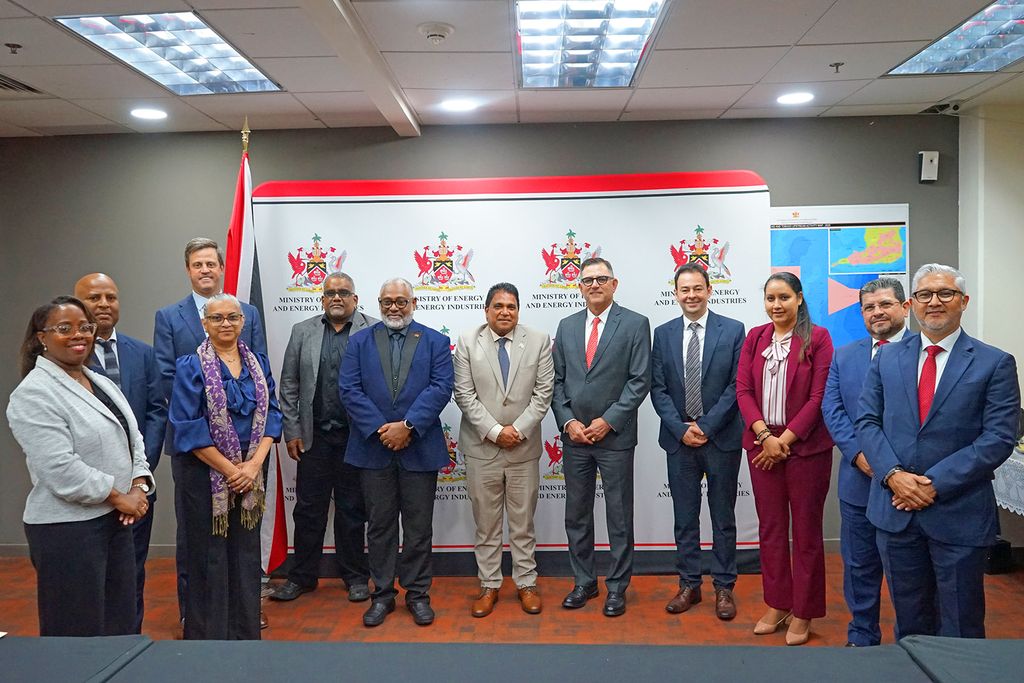
Prime Minister Kamla Persad-Bissessar made the announcement yesterday following Eid-ul-Fitr celebrations at the Marakaz-Al-ASJA Jamaat, as she outlined new and ongoing initiatives in the Government’s crime-fighting strategy.
According to the Prime Minister, the system will be supported through US collaboration and will work alongside new online entry requirements currently being implemented at the nation’s airports.
“We continue to engage the US authorities in many fields, a very important one is what is happening at our airports now with the online entry forms,” she said.
She revealed that the Government is preparing to introduce legislation for the Advanced Passenger Information System (APIS), which will significantly enhance border security by allowing officials to vet passengers before they land.
“By next week, Friday or thereafter, we’ll bring a piece of law, the APIS legislation. When we link these together, even before you land, we can have a clear idea whether there’s a good guy or a bad guy, to put it simply, landing here.”
Persad-Bissessar said the initiative forms part of a broader push to modernise national security infrastructure, with international cooperation playing a key role.
Recently, the Ministry of Foreign and Caricom Affairs noted that as of March 17, travellers entering and leaving Trinidad and Tobago will be able to complete immigration arrival and departure cards online as authorities prepare to replace the long-standing paper-based system used at the country’s ports of entry.
Persad-Bissessar also defended the Government’s continued use of a State of Emergency (SoE), noting that while progress has been made, more work is needed to further reduce crime.
“We have seen crime at the lowest it has been in many, many years. The murders have been down by 42 per cent. People are saying, why another SoE? Because only 42 per cent down, we have to work to bring it down further.”
The Prime Minister added that several anti-crime measures are already showing results, but stressed that authorities remain committed to driving down criminal activity even more.
The Prime Minister also added that the United States-operated radar system, once based in Tobago, “did serve us well,” as she addressed concerns surrounding its recent removal.
She noted that while the radar had been beneficial to Trinidad and Tobago, its removal was understandable given shifting priorities by US authorities.
“We were lucky to have it the time we had it. They need it for their own use, as you know. They’re on another front, and they probably need it for that purpose. But it did serve us well, and we thank them very much for it,” she said. On February 27, speaking outside the Red House, the Prime Minister revealed that the radar cost US$3 million per day.
She said the United States, not the T&T Government, was footing the bill.
“You know they are paying US$3 million a day for that radar? Not us. They are paying that,” she said.
She explained that because the US was investing such a high amount into the operation, which reportedly included salaries, accommodation and maintenance, they kept their own military personnel on-site to ensure the equipment’s security and prevent sabotage.
Guardian Media asked the Prime Minister yesterday if the country had to pay for the use of the radar or if the US was paying T&T to use its space, but she only responded, “No.”
Recently, the Opposition People’s National Movement (PNM) raised concerns over what it described as a troubling lack of transparency over the Government’s handling of the US military radar, which was installed in Tobago last year.
PNM deputy political leader Sanjiv Boodhu accused the Government of hiding details surrounding both the implementation and removal of the radar from the ANR Robinson International Airport site, stating that the country continues to be left in the dark over whether the radar was an asset to T&T or not.