
Raphael John-Lall
Freelance Contributor
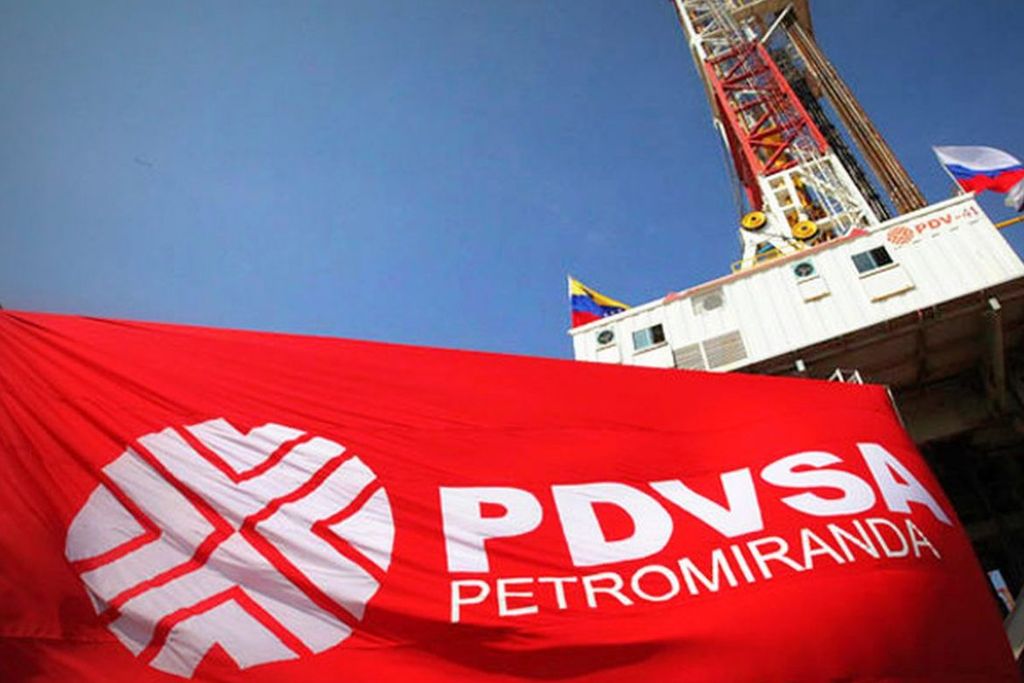
In a strategic move to ensure energy stability, Venezuela oil company Petróleos de Venezuela, SA (PDVSA), yesterday confirmed it is advancing negotiations with the United States for the sale of its oil.
The state-owned company specified, however, that these talks are governed by the existing trade agreements between the two nations.
In a statement posted on Instagram, it revealed that the process “is being carried out under similar schemes to those in place with international companies, such as Chevron, and is based on a strictly commercial transaction, with criteria of legality, transparency and benefit for both parties.”
“PDVSA reaffirms its commitment to continue building alliances that promote national development for the benefit of the Venezuelan people and contribute to global energy stability,” the oil company stated.
PDVSA’s statement comes after US President Donald Trump’s announcement on Tuesday night that Venezuela “will be turning over” up to 50 million barrels of oil to the US.
In a social media post, Trump said the oil, worth about $2.8 billion, will be sold at its market price, adding he would control the money raised and use it to benefit the people of Venezuela and the US.
His comments came after he said the US oil industry would be “up and running” in Venezuela within 18 months and that he expected huge investments to pour into the country.
This comes in the wake of the ouster of Nicolas Maduro after a military operation in Caracas on Saturday. Former vice president Delcy Rodriguez has since been sworn in as acting President.
Meanwhile, the US Coast Guard yesterday seized two Venezuela-linked oil tankers in the Atlantic and the Caribbean.
A Russian-flagged tanker, known as the Bella 1 and now called the Marinera, was seized in the North Atlantic, near Iceland, for a violation of US sanctions, the US European Command said.
Homeland Security Secretary Kristi Noem said the US had also seized a second vessel in the Caribbean, the M/T Sophia.
Maduro, in an interview on January 1 with Spanish academic and journalist Ignacio Ramonet, had emphasised that if the US wants oil from Venezuela, the Bolivarian nation will be ready for US investments, as with Chevron.
“The United States should know that if they want comprehensive economic development agreements, Venezuela is also here, as I’ve said time and time again: if there were ever any rationality and diplomacy (on the part of the US), we could perfectly well talk. We have the maturity and the stature, and we are also people of our word,” Maduro said.
China also has oil and gas agreements with Venezuela and strongly condemned the US actions yesterday.
China denounced what it called “intimidation” by the United States, which allegedly demanded that Venezuela sever its economic ties with Beijing as a condition for exploiting and trading its oil, and defended the South American country as a sovereign state with full control over its natural resources.
Chinese Foreign Ministry spokeswoman Mao Ning stated at a press conference that Venezuela “is a sovereign country and enjoys full and permanent sovereignty over its natural resources,” in response to a question regarding reports from the US network ABC News.