
Lead Editor-Newsgathering
chester.sambra[email protected]
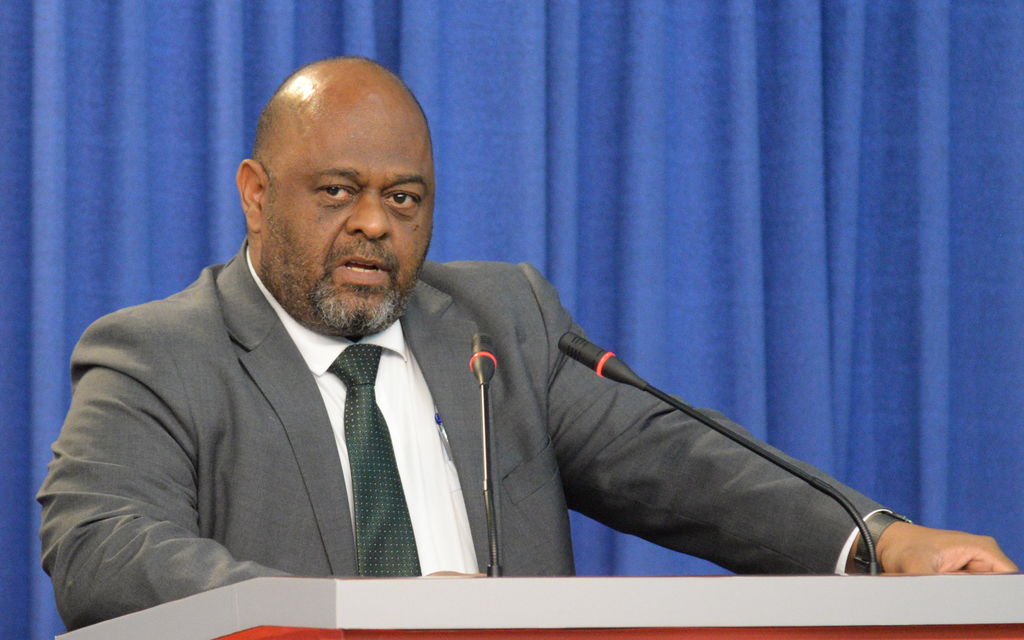
Minister of Justice Devesh Maharaj says legislation to introduce a parole system in Trinidad and Tobago will soon be laid in Parliament as part of a broader effort to reform the criminal justice system and reduce delays.
Maharaj said a Parole Bill is among a suite of measures being prepared to improve efficiency and access to justice.
“There’s a Parole Act...which we bring into Parliament shortly to introduce parole to the criminal justice system,” he said.
He added that the legislation will come alongside amendments to the Probation Act, the introduction of a Victims’ Rights Bill, and proposed constitutional changes to strengthen the right to a trial within a reasonable time.
“We are bringing certain amendments to the Constitution for the right of reasonable trial, a quick trial, the right of the accused to a trial within a reasonable time,” Maharaj said.
The minister said the legislative push is being supported by operational changes aimed at reducing long-standing backlogs in the system.
“We are working very closely with the judiciary itself to ensure that we have functional courtrooms. We are working with the Forensic Science Centre to clear backlogs to ensure that criminal trials proceed quickly,” he said.
Maharaj said additional resources have already been deployed to address delays in forensic testing.
“We have had a huge backlog in our autopsy reports. We have added six persons to the DNA lab to clear that backlog as well,” he said.
He said the overall goal is to make justice more efficient and accessible.
The move follows earlier efforts to introduce parole-type mechanisms.
In 2012, then Justice Minister Herbert Volney called for a parole system managed by a Parole Board and an early release programme for certain categories of offenders.
During a 2011 parliamentary debate on electronic monitoring, Volney argued that the existing pardon system was too rigid, forcing a choice between full incarceration and absolute freedom. He proposed a conditional framework that would allow supervised release while maintaining oversight.
Criminologist Dr Randy Seepersad said a properly structured parole system could significantly reduce the financial burden on the prison system.
Dr Seepersad explained that parole allows prisoners to become eligible for early release after serving a mandatory portion of their sentence, depending on recommendations from the Commissioner of Prisons and evaluations by a parole board.
The board assesses factors such as participation in rehabilitation programmes, risk of re-offending and the prisoner’s potential for reintegration into society, including family and employment support.
“Parole is not automatic, even if someone becomes eligible,” Dr Seepersad said. “The system is selective. Serious offenders remain incarcerated, while low-risk individuals, including elderly prisoners, may be considered for release.”
He added that the approach eases costs associated with incarceration while focusing resources on prisoners who pose the greatest risk to public safety.
However, he cautioned that past practices in Trinidad and Tobago have seen prisoners released without structured support.
“A proper parole system must go beyond periodic police reporting,” Dr Seepersad said. “It requires linking returning prisoners to training, accommodation, healthcare and employment. This support not only protects the public but also reduces the likelihood of recidivism.”
Dr Seepersad said that when implemented correctly, parole could deliver both economic and social benefits, but warned that improper application could create challenges for the justice system.