
The Pan American Health Organization (PAHO) has released new clinical guidelines for the management of patients with severe yellow fever in the Americas, including the Caribbean.
The guidelines come amidst the concerns that the disease has re-emerged as a growing public health matter, with PAHO noting that since 2024, outbreaks have been reported in several countries—including in areas outside the traditional Amazon basin—confirming an expansion of risk zones.
Last year, PAHO said a total of 346 confirmed cases and 143 deaths were reported across seven countries in the region, namely Bolivia, Brazil, Colombia, Ecuador, Guyana, Peru, and Venezuela.
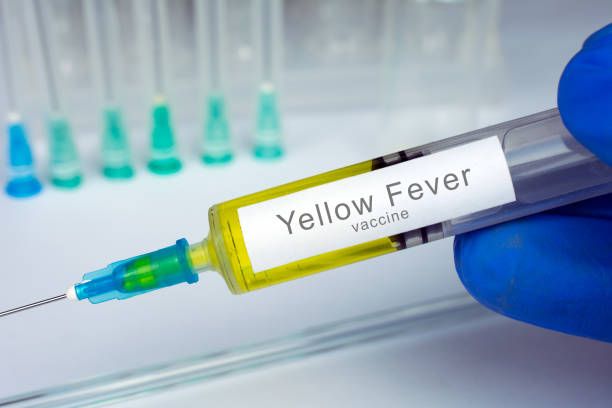
In the first seven weeks of this year, PAHO said 34 human cases and 15 deaths have already been confirmed in Bolivia, Colombia, Peru and Venezuela and that while there is no specific treatment for yellow fever, vaccination remains the most effective preventive measure.
It said a single dose provides lifelong immunity and that most confirmed cases and deaths reported in 2025 and 2026 occurred among unvaccinated individuals.
The health organization said it continues to support countries in strengthening epidemiological surveillance, expanding vaccination coverage among at-risk populations, and improving the capacity of health services for early detection and timely clinical management of severe cases.
“The new guidelines aim to contribute to these efforts by providing health teams with a practical, evidence-based tool to deliver safe, standardized care and reduce mortality associated with the disease,” PAHO said, adding that the guidelines aim to strengthen the capacity of health workers and support timely, life-saving care.
“Yellow fever is a mosquito-borne viral disease that can cause outbreaks with a high number of cases and deaths in a short period of time. As there is no specific treatment, early detection of suspected cases, identification and close monitoring of patients at higher risk of severe disease, and timely referral to intensive care units are critical to reducing complications and saving lives,” PAHO said.
PAHO’s advisor on clinical management of emerging diseases, Ángel Rodríguez, said that the guideline provides “evidence-based clinical recommendations to support decision-making and improve the care of severe yellow fever cases.”
“It also serves as a key tool to strengthen preparedness and response across health services in the Americas,” he added.
PAHO said the new guidance complements its 2023 clinical management guidelines and is part of the health organization’s regional response to the public health emergency recorded between 2024 and 2025, when the average case fatality rate for yellow fever reached 45 percent.
“It brings together updated clinical and epidemiological information, along with practical recommendations on case detection, diagnosis, initial management, severity classification, and comprehensive patient care,” PAHO said, adding yellow fever is caused by a virus of the Flavivirus genus and is transmitted through mosquito bites.
PAHO said the sylvatic (jungle) cycle primarily involves mosquitoes of the Haemagogus and Sabethes genera, while urban transmission can occur through Aedes aegypti and Aedes albopictus.
It said severe cases can rapidly progress to serious complications such as acute liver failure, requiring specialized intensive care. —WASHINGTON D.C. (CMC)