
Caribbean nations facing growing climate threats are among those being urged to strengthen protections against oil and gas expansion.
More than 40 environmental and civil society organisations have called on governments attending the UN Climate Change Conference (COP31) to establish Fossil-Free Zones, warning that continued oil and gas expansion threatens vulnerable regions, including the Caribbean, where communities are already grappling with the impacts of climate change.
The joint declaration, released on Thursday, urges governments to halt new fossil fuel exploration and expansion in environmentally and culturally significant areas while prioritising the responsible closure of existing projects.
Signatories include WWF International, the Science Panel for the Amazon and Parliamentarians for a Fossil-Free Future, alongside Indigenous and grassroots organisations.
The groups argue that nearly three years after countries agreed at COP28 to transition away from fossil fuels, governments have yet to establish a clear implementation pathway.
“COP31 must break this impasse and renew political momentum for this agenda,” the declaration states.
The appeal follows the Brazilian COP30 Presidency’s presentation of a fossil fuel transition roadmap on November 10, building on discussions involving 57 countries in Santa Marta, Colombia, earlier this year.
A follow-up international conference, co-hosted by Tuvalu and Ireland, is scheduled for 2027.
Caribbean livelihoods at risk
Caribbean campaigners say expanding offshore oil and gas exploration poses additional risks to marine ecosystems and coastal livelihoods in a region already highly exposed to climate change.
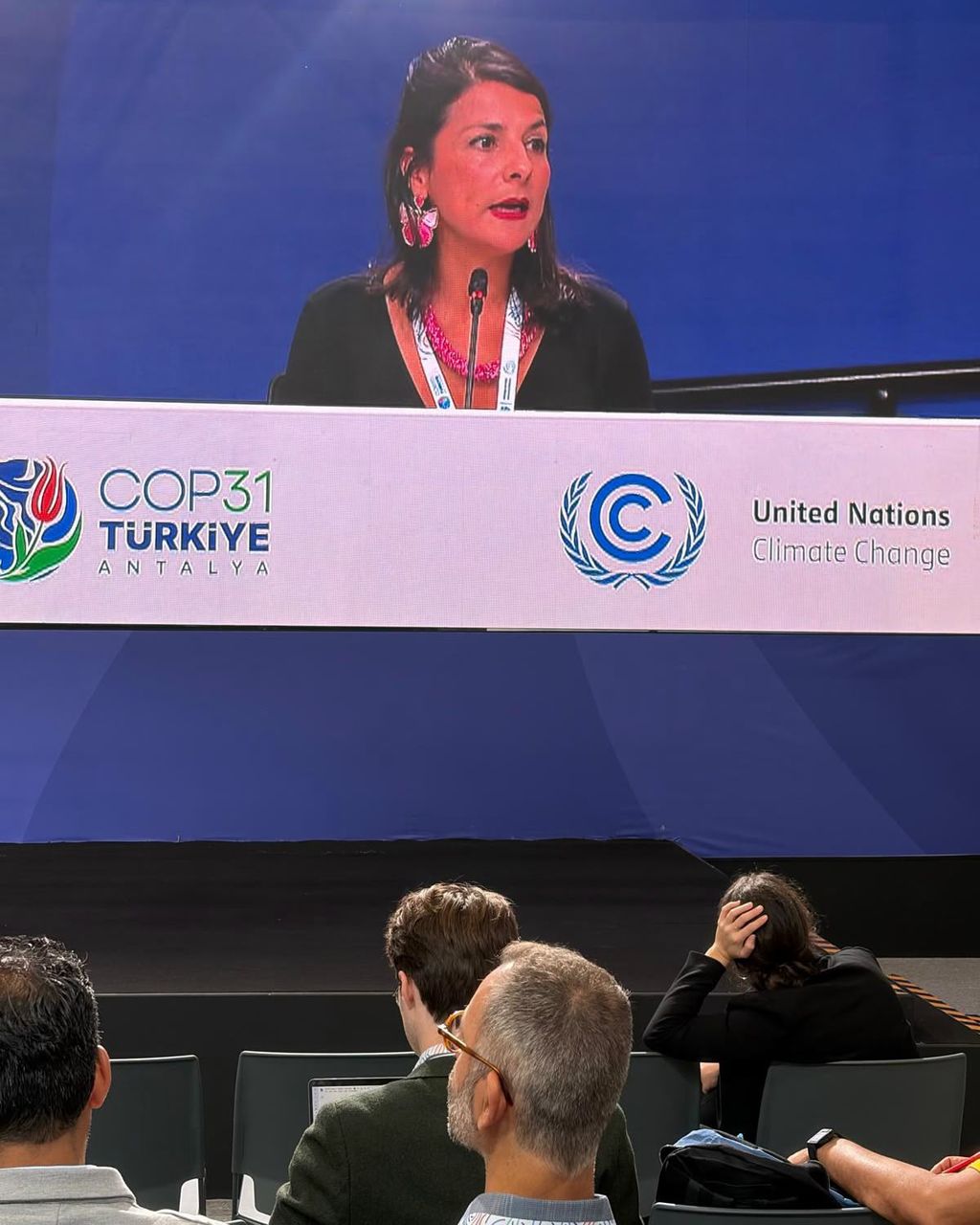
Carolina Sánchez, spokesperson for the Fossil Free Wider Caribbean Network, said some Central American and Caribbean countries have already introduced fossil fuel moratoriums, but further regional action is needed.
“The expansion of new oil and gas exploration continues to put at risk millions of livelihoods around the Caribbean Sea,” Sánchez warned.
She called for international support to recognise Fossil-Free Zones as a practical measure to protect vulnerable Caribbean territories while advancing a just energy transition.
Former Colombian minister Irene Vélez Torres said countries need stronger international cooperation and financing to move away from fossil fuels without sacrificing economic development or environmental protection.
“That shift needs international cooperation and finance, so no country has to choose between its forests and its future,” she said.
Vélez Torres also pointed to Colombia’s experience with restricting oil and gas development in the Amazon, warning that such protections must be made permanent to withstand changes in government policy.
Push for permanent protection
Fossil-Free Zones would permanently prohibit fossil fuel exploration, extraction and related infrastructure in territories of ecological, cultural or social importance.
Supporters say governments could establish the zones through existing conservation laws, land-use policies and Indigenous land rights.
According to figures cited by the coalition, approximately 27 per cent of global oil resources lie beneath critical ecosystems, while oil and gas concessions overlap about 21 per cent of tropical moist forests.
Vélez Torres said governments must back their climate commitments with stronger cooperation and lasting protections.
“Leaders in Antalya have spoken about the transition, and now their words must be measured by the cooperation they produce,” she said.
Governments urged to act
The declaration calls on governments to incorporate Fossil-Free Zones into national climate commitments, deforestation strategies and fossil fuel transition roadmaps.
It also seeks international recognition of the initiative and greater protection for Indigenous peoples and communities affected by fossil fuel development.
Florencia Ortúzar Greene, climate programme director at the Interamerican Association for Environmental Defense, said, “COP31 must now send a clear signal that this work continues.”
Ignacio Arróniz Velasco of Earth Insight described the proposal as a practical step towards a wider fossil fuel phase-out, noting that “Fossil-Free Zones are where the transition away from fossil fuels stops being a promise and starts happening on the ground.”
The initiative is coordinated by the Fossil Free Zones Working Group, a coalition of more than 25 NGOs and Indigenous organisations supported by a wider network of more than 100 groups.
The coalition is pressing COP31 negotiators to recognise the zones as an early measure in the global transition away from fossil fuels, although their inclusion in any final summit agreement remains uncertain.