
Senior Reporter
The Children’s Authority of Trinidad and Tobago says minors detained under the ongoing State of Emergency (SoE) are well taken care of while in custody, following questions surrounding the detention of a 16-year-old boy under the special powers recently.
Teenager Jaylon George is currently being held at the Youth Training and Rehabilitation Centre (YTRC) under a preventative detention order (PDO). Authorities allege he was identified through confidential intelligence as a member of the Rasta City/Seven Gang. He was described in the PDO as a “shooter” with access to high-powered firearms and involvement in plans for imminent retaliatory attacks.
However, his parents, Marlon Ward and Lislles George, claim he is innocent and was merely liming with a group of his friends at the time of his arrest on March 7. The police arrested four of the five people in the group and charged them with possession of a weapon.
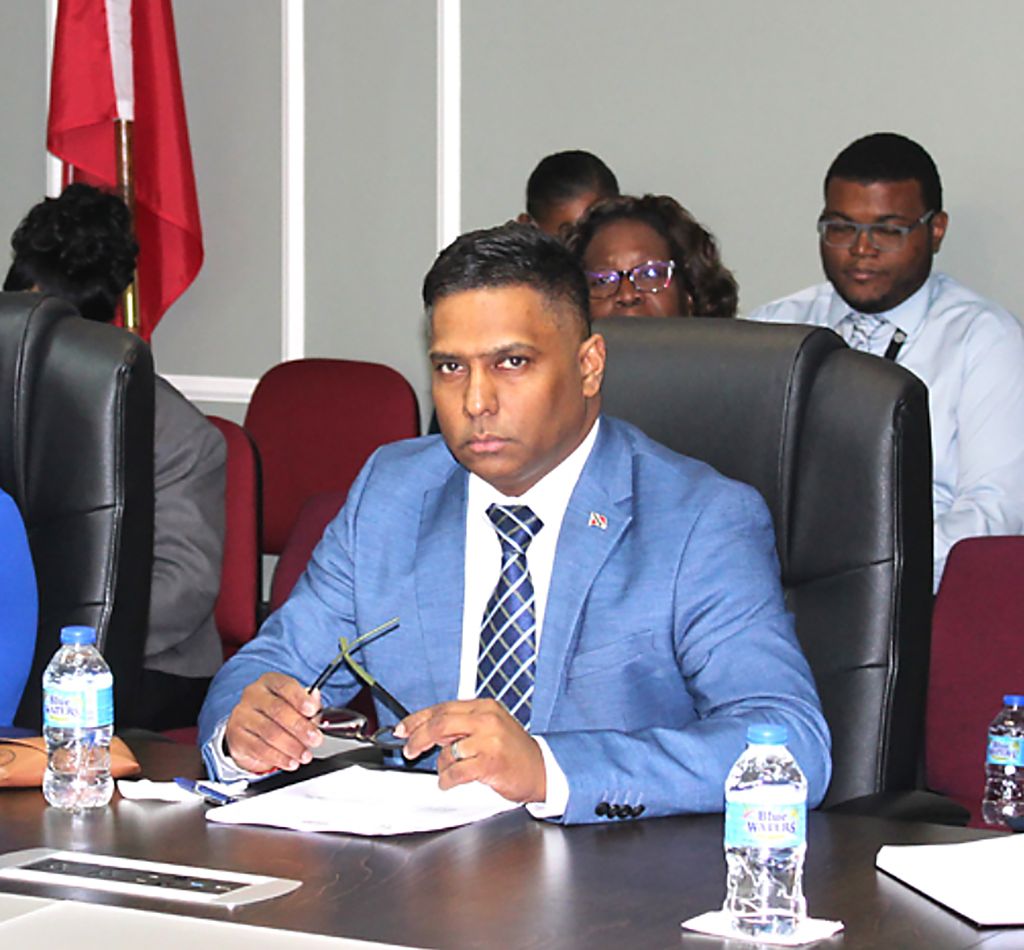
Homeland Security Minister Roger Alexander has defended the Government’s decision to issue a preventative detention order (PDO) to George, suggesting the police have intelligence to support their action.
Prison officials say Jaylon is being housed in a dormitory by himself, as it is improper to place him with remanded and or convicted minors at the YTRC. He is the second minor this year held at the YTRC under a PDO, after another child was housed there during the last SoE, which ended in January.
In response to queries from Guardian Media, the Children’s Authority outlined the protections and oversight mechanisms in place for minors in custody during an SoE, emphasising that minors detained under such orders are afforded specific legal and social protections.
According to the authority, children remanded at YTRC have access to legal representation, either through Legal Aid or private attorneys retained by their families. Additionally, each child is assigned a caseworker from the authority’s Child Justice and Support Unit, once notification of detention is received from the Trinidad and Tobago Police Service (TTPS).
The authority said support services at the facility include a Welfare Unit, medical care through an infirmary and doctor, and educational programmes. Its Placement, Licensing and Monitoring Unit also conducts oversight to ensure the quality of care provided to detained minors.
Addressing concerns about the treatment of minors in custody, the authority stressed that children in conflict with the law are not housed in adult prisons. Instead, they are kept in child-appropriate facilities such as YTRC, where monitoring units conduct both announced and unannounced inspections. These include reviewing records, inspecting facilities and engaging directly with staff and residents.
The authority added that children are generally housed in dormitory settings based on the nature of their offences.
On the issue of psychosocial support, officials said YTRC provides access to a psychologist and welfare services, while detainees are allowed to maintain contact with relatives through scheduled visits and phone calls. Educational and recreational programmes also form part of the rehabilitation framework.
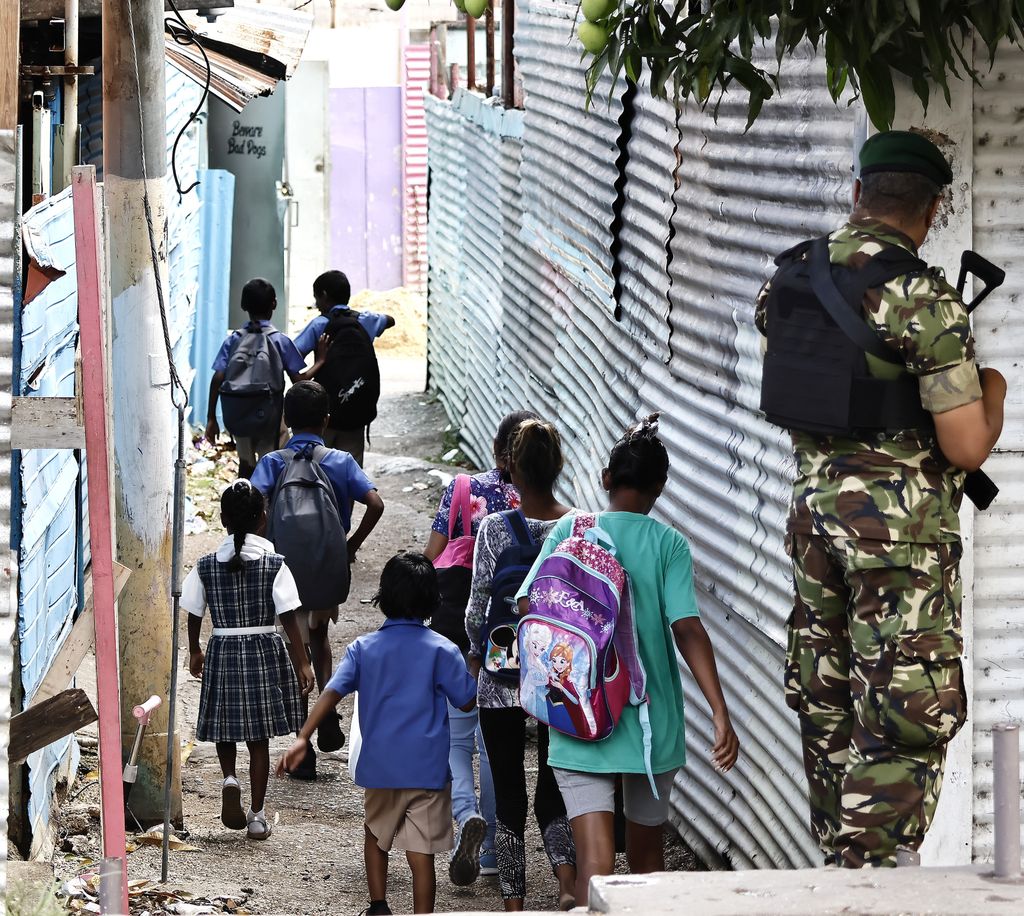
Despite heightened anti-crime operations under the SoE, the authority said it has not observed an increase in minors being detained during police raids or operations.
It also highlighted ongoing collaboration with the TTPS in high-risk or “hotspot” communities, including joint home visits, case interventions and training sessions aimed at sensitising officers.