Millions fleeing Sudan’s war risk losing shelter as funds run low, UN warns
 06 November 2026
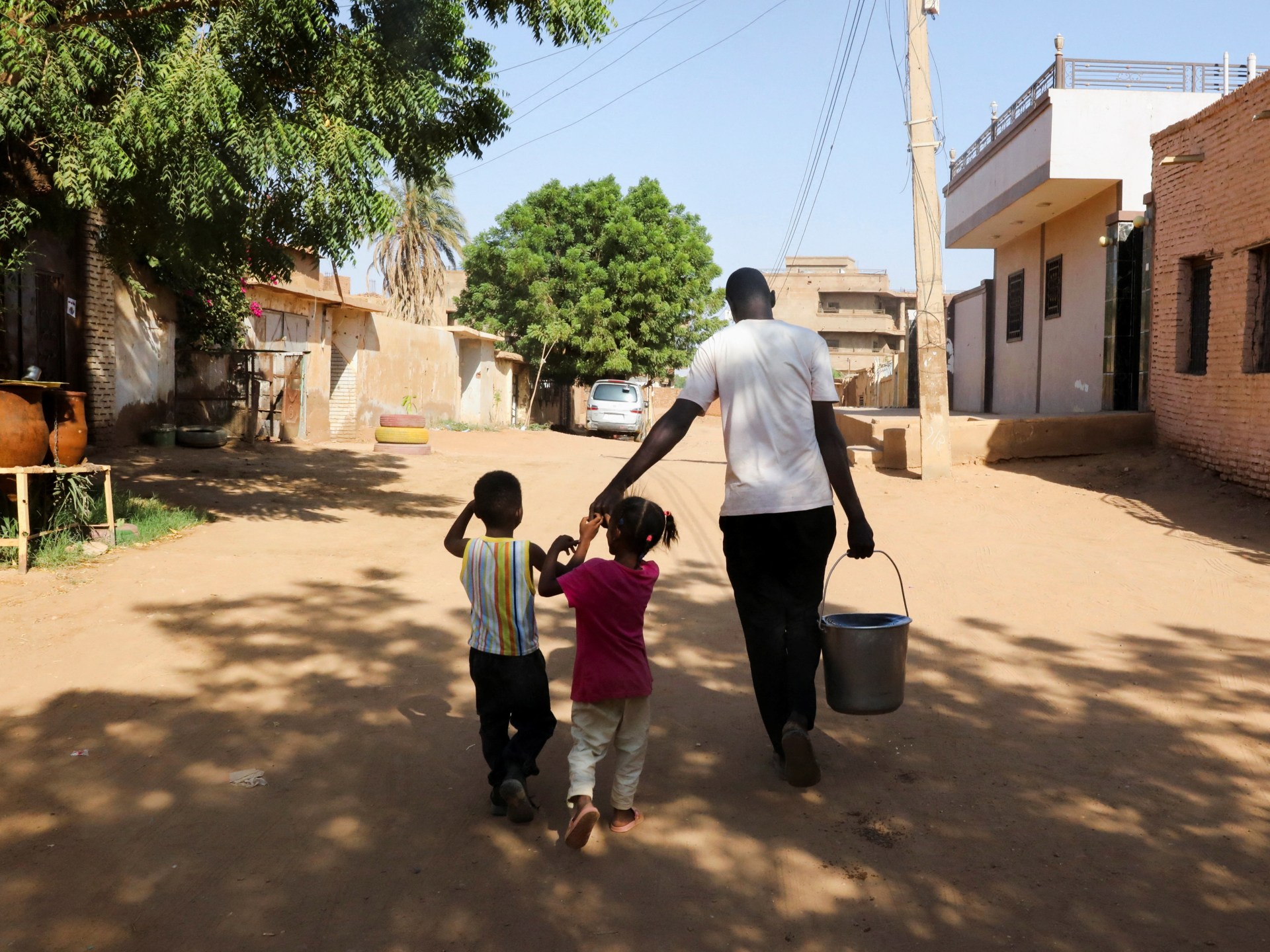

Millions of people in Sudan who have been displaced by the country’s civil war risk being left without emergency shelter due to funding shortages and depleting aid stocks, according to the United Nations refugee agency and the International Organization for Migration.
An estimated 15.4 million people across Sudan urgently need emergency shelter and basic household items, but funding shortages mean humanitarian agencies can prioritise assistance for only approximately 10 percent of those in need, the two UN agencies said in a joint statement on Friday.
- list 1 of 4Sudan’s displaced return to new challenges in war-battered Khartoum
- list 2 of 4Deadly RSF drone attacks reveal deep divisions between Sudan and Ethiopia
- list 3 of 4Darfur survivors vow to tell story of those killed after Sudan camp attacks
- list 4 of 4Sudan factories struggle to restart after devastating wartime losses
end of list
“IOM and UNHCR remain committed to working with local humanitarian organisations and other partners to maintain shared supply pipelines, pre-position emergency stocks in priority areas and deliver assistance where needs are greatest,” the statement said. “But these efforts cannot be sustained without predictable and flexible funding.”
So far, only 936,000 people have received assistance, leaving a large gap between needs and available resources, according to the statement.
Since war broke out in 2023 between the Sudanese army and the paramilitary Rapid Support Forces (RSF), about 8.6 million people have been displaced within the country, making Sudan the world’s largest displacement crisis.
Meanwhile, more than 4.6 million people have fled across the country’s borders.
More than 5.2 million people have also returned to their areas of origin, often finding homes, infrastructure and basic services destroyed, the UN says.
“For families repeatedly displaced by conflict, a safe place to sleep and basic household supplies are far more than everyday necessities,” the joint statement said.
Advertisement
“They offer a measure of safety and dignity, particularly for women, children and other people at heightened risk. For those returning home, shelter assistance is often the first step towards rebuilding their lives.”
Speaking from Khartoum, IOM Sudan chief Mohamed Refaat said the agency was struggling to maintain operations as resources dwindled.
“Just this year, IOM was able to distribute more than 40,000 tonnes, but our warehouses are completely empty now,” he said.
Refaat said the number of internally displaced people could rise again despite recent returns. He said agencies had already scaled back ambitions because of limited funding.
They called for urgent funding to replenish emergency stocks and prevent worsening conditions for displaced Sudanese.
Related News
Iran’s anti-negotiation hardliners turn against President Pezeshkian
Serbia votes in election pitting longtime leader against student movement

US ICE releases Kashmiri filmmaker Arfat Sheikh from custody